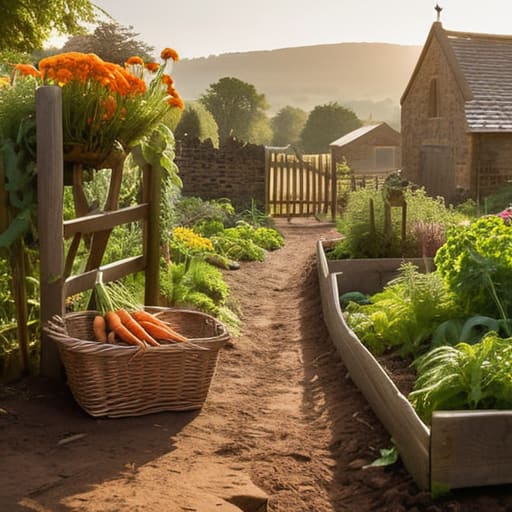
I spent forty minutes yesterday wrestling with a rusted gate latch near the north boundary, and it struck me just how much people get wrong about running a village allotment site. You’ll hear plenty of talk about “community engagement strategies” or “sustainable horticultural frameworks” from the folks at the council, but that’s all well and good until the water main bursts or the brambles start reclaiming the paths. Real management isn’t about fancy spreadsheets; it’s about knowing which plot holder has a tendency to let their nettles go to seed and ensuring the shared tool shed doesn’t become a graveyard for broken spades.
I’m not here to give you a lecture on urban planning or expensive organic theories. What I intend to do is lay out the practical, sometimes messy reality of keeping a community plot from falling into disarray. I’ll tell you about the things that actually matter—from mending a perimeter fence before the winter rains turn the site into a bog, to the delicate art of settling disputes over a shared compost heap. If you want the truth about what it takes to keep the gates open, you’ve come to the right place.
Table of Contents
Allotment Committee Responsibilities and the Weight of the Gate
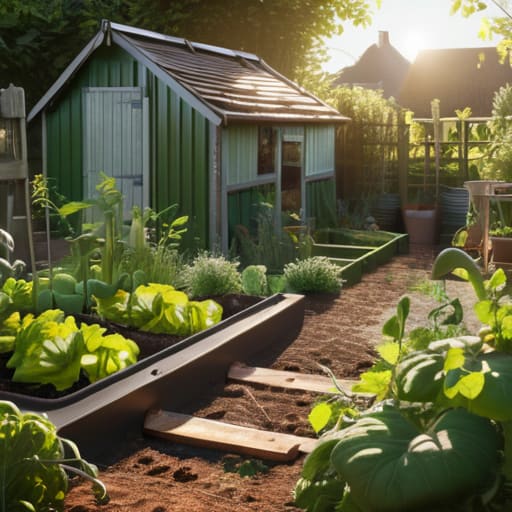
Now, don’t let the idea of a committee fool you into thinking it’s all afternoon tea and polite nodding. When we talk about allotment committee responsibilities, we aren’t just discussing who brings the biscuits to the monthly meeting. It is about the heavy lifting—the kind that happens when a water pipe bursts in mid-July or when the boundary hedge starts encroaching on the footpath. You’ll find that managing allotment plots requires a certain level of backbone, especially when you have to remind a long-term tenant that their shed has become a structural hazard.
The real weight, however, sits with the paperwork. I’ve seen many a good-natured effort crumble because the allotment tenancy agreements were written on the back of a napkin and never revisited. If you don’t have clear, written rules about what happens when a plot goes fallow, you’ll spend more time refereeing disputes over nettles than actually growing marrow. It’s a bit like surveying a property; if the foundation—in this case, the governance—is shaky, the whole thing will eventually lean.
Managing Allotment Plots Without Losing Your Mind or Your Friends
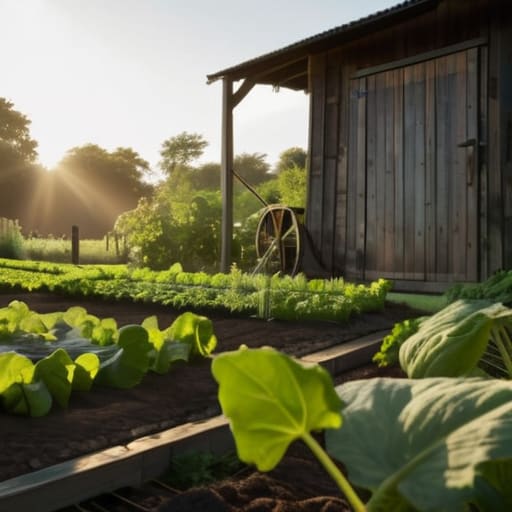
The trouble with managing allotment plots is that you aren’t just dealing with soil and slugs; you’re dealing with people. I’ve seen it happen a dozen times at the site near the old mill—one minute you’re discussing the merits of organic compost, and the next, you’re in a heated debate over whether a certain person’s sprawling squash plants are encroaching on the communal path. It is a delicate balance. If you are too lax, the site becomes a wilderness of nettles by mid-July; if you are too strict, you’ll find yourself sitting alone in the shed with nothing but a thermos of tea for company.
The secret to keeping the peace is having clear, written allotment tenancy agreements that everyone signs before they even pick up a spade. It shouldn’t be a thick tome of legal jargon, but it needs to state plainly that weeds must be kept under control and that the communal paths must remain clear. When the rules are set in stone—or at least in ink—it takes the personal sting out of things. You aren’t “being difficult,” you are simply following the agreed way. It’s much easier to point to a piece of paper than to have a face-to-face row over a patch of bindweed.
Five things they don't tell you in the Parish Council handbook
- Keep a sharp eye on the water supply. I’ve seen too many plots fall into disrepair simply because a communal tap developed a leak in November and no one bothered to report it until the pipes froze. If the water isn’t flowing, the enthusiasm for growing marrow follows shortly after.
- Don’t let the perimeter fence become a suggestion. That dry stone wall on the eastern boundary might look charming, but if the wire mesh isn’t tensioned properly, you’ll have rabbits treating the cabbage patches like a buffet by mid-April.
- Establish a clear rule for the communal tools. There is nothing quite as frustrating as turning up on a Saturday morning to find the shared spade has gone missing or, worse, has been left to rust in a puddle. A proper shed with a sturdy padlock is worth its weight in gold.
- Watch the paths, not just the plots. If the main walkway between the gate and the water butts turns into a knee-deep sludge every time we get a bit of Hampshire rain, people will stop coming. A bit of crushed limestone goes a long way in keeping the site accessible for everyone.
- Manage the waiting list with a firm hand. It is tempting to let a neighbour keep a plot even if they haven’t planted a thing since the Jubilee, but a site stays healthy only if it is actually being used. If a plot is looking more like a wasteland than a garden, it’s time to move the next person on the list in.
The Real Essentials for a Thriving Site
Don’t let the paperwork bury you; focus on the physical boundaries, because a broken gate or a sagging fence is the first sign to the rest of the parish that the site has gone to seed.
Keep your rules written in plain English and stick to them fairly, otherwise you’ll spend more time mediating arguments over overgrown nettles than actually enjoying the fresh air.
Remember that the community is the real crop; a site succeeds when the plot holders actually talk to one another, rather than just eyeing each other’s compost heaps with suspicion.
The Real Cost of a Plot
You can spend all afternoon arguing over the exact width of a communal path, but if you don’t keep an eye on the drainage near the bottom boundary, you’ll find yourself managing a swamp rather than a garden by the time the October rains arrive.
Gordon Ellery
The Final Acre
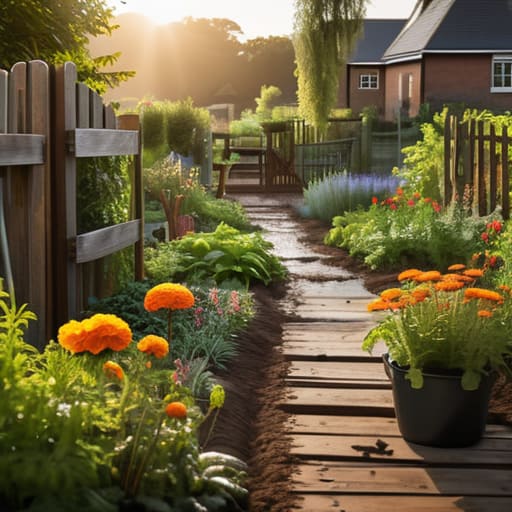
At the end of the day, running a site like this isn’t about the perfect ledger or having the most up-to-date drainage plans—though heaven knows a bit of dry grit helps when the autumn rains hit. It comes down to the small, unglamorous things: keeping the paths clear of nettles, ensuring the water butt isn’t leaking into the communal path, and making sure the rules are applied fairly to everyone, from the seasoned grower to the newcomer who’s only ever grown a single pot of mint. It is a constant balancing act between maintaining order and letting people actually enjoy the dirt under their fingernails. If you manage the gate well and keep the communication honest, you’ll find that most of the friction simply evaporates.
I remember walking past the old orchard allotments back in ’84, when the stone wall was still standing straight and the soil felt a bit more forgiving. Things change, and so will your plots, but the core reason we bother with the committees and the endless paperwork remains the same. We do it because a village without a place to grow something together is just a collection of houses. An allotment is a living, breathing part of our community, and while it might feel like a heavy lift on a Tuesday evening, seeing a neighbour share their surplus courgettes makes every bit of the struggle worthwhile. It’s about tending to more than just the soil.
Frequently Asked Questions
How on earth do we handle the cost of the water rates without making the plots unaffordable for the newer folks?
It’s a tricky one. I’ve seen many a committee stall because the water bill arrived and nobody wanted to foot the gap. My advice? Stop trying to split it equally. A plot holder with a massive patch of thirsty brassicas shouldn’t pay the same as the chap with a tiny herb corner. We looked at a tiered system last year—charging a base rate for the connection, then a bit extra based on usage. It keeps the newcomers from being priced out before they’ve even planted a single seed.
What’s the best way to deal with a plot holder who’s let their patch go to seed and turned it into a bramble thicket?
The trick is to avoid the heavy-handedness of a formal notice until you’ve had a proper chat over the fence. I once knew a fellow in Netheravon who let his patch go so wild the foxes were using it as a fortress. Don’t start with the rulebook; start with a question about his health or his harvest. If it’s just a bit of neglect, a friendly nudge works. But if the brambles are crossing the boundary, you have to act.
Is it worth investing in a proper communal shed and tool storage, or is it just asking for things to go missing?
I’ve seen both sides of this. Last year, the parish council put in a lovely timber shed near the north gate, and by June, the spade count was down by half. If you don’t have a heavy-duty padlock and a key system that actually works, you’re just providing a free shop for the local teenagers. My advice? Invest in the shed, but spend twice as much on a proper security setup.