
I was standing on a ladder outside a lovely mid-Victorian semi in Chawton last Tuesday, squinting through a drizzle that wouldn’t quit, when I realised most people approach this task all wrong. They think you need a thermal imaging camera or a degree in structural engineering to understand what’s happening above their heads. The truth is, learning how to survey a roof is less about fancy gadgets and more about knowing what to look for with your own two eyes—and having the sense to stay off a ladder if the pitch is too steep. I’ve spent thirty years looking at everything from thatched cottages in the Test Valley to the newer builds popping up near the bypass, and I can tell you that the most expensive mistakes usually start with a single slipped tile that everyone simply ignored.
In this guide, I’m going to strip away the jargon and tell you exactly what I’d look for if I were inspecting your home. I won’t give you any of that polished, professional nonsense; instead, I’ll show you how to spot damp patches, how to check your flashing, and when it’s time to stop DIY-ing and call in a professional.
Table of Contents
Guide Overview
Tools & Supplies
- Binoculars for inspecting from ground level
- Smartphone for taking photos and videos
- Ladder for close-up inspections
- Flashlight for checking attic/interior signs
- Notebook and pen for documenting findings
- Safety harness if walking on the roof
Step-by-Step Instructions
- 1. Before you even think about grabbing a ladder, you need to do the job from the ground. Stand back by the gate or on the pavement and take a proper look at the overall silhouette of the roof. You’re looking for any obvious dipping or sagging in the ridge line, which usually suggests the timber rafters underneath are starting to give up the ghost. If the roofline looks like a wavy sea rather than a straight edge, you aren’t just looking at a few loose tiles; you’re looking at a structural headache.
- 2. If you have a pair of binoculars—the sort my grandson uses for birdwatching—use them. It saves you the bother of risking a fall and lets you see the small things from a safe distance. Scan the valleys where the roof slopes meet, as these are the first places to collect debris and start leaking. Keep an eye out for moss buildup, particularly on the north-facing slopes, because once that stuff gets thick, it holds moisture against the tiles like a damp sponge.
- 3. Now, if you’re going up there, make sure your ladder is on firm, level ground; I’ve seen too many people try to balance on the edge of a muddy verge near the old mill, and it never ends well. Once you’re up, don’t go stomping around like a heavy-footed builder. Move carefully and check the condition of the pointing on the chimney stacks. Most of the houses built in this parish between 1880 and 1920 used lime mortar, which is lovely, but if it’s crumbling away, water will find its way straight into your living room.
- 4. Take a close look at the flashing—that’s the lead strip tucked into the brickwork where the roof meets a wall or a chimney. It should be firm and seated properly. If you see gaps or if the lead looks cracked and brittle, it’s likely been there far too long. I remember surveying a cottage near the village green back in ’94 where the lead had perished so badly the owners didn’t even know they had a leak until the ceiling came down.
- 5. Inspect the guttering and the downpipes with a critical eye. It’s not just about whether they are full of leaves; you want to see if they are actually sloping towards the drain. If a gutter is sagging in the middle, it creates a pool of standing water that will eventually rot the fascia boards. Give the brackets a little nudge to see if they feel solid or if they’ve been loosened by years of heavy rain and winter frost.
- 6. Finally, look at the tiles or slates themselves. You aren’t just looking for cracks, but for “slippage.” If a tile is sitting lower than the one next to it, it means the nails or the pegs holding it in place have failed. I always tell people that a single slipped tile is a cheap fix today, but if you leave it, it becomes a very expensive conversation with a roofer come autumn.
Spotting the Hidden Roof Damage Signs
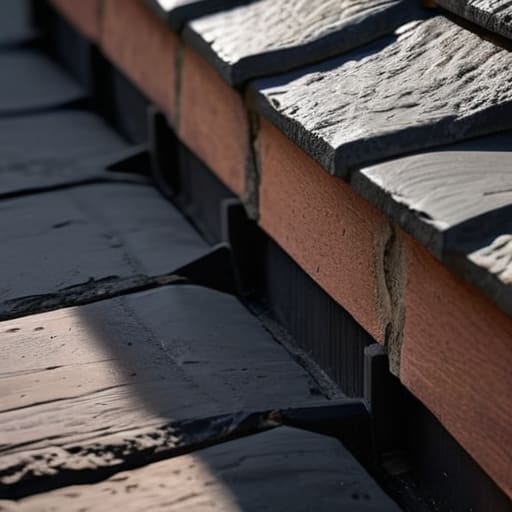
Now, if you’re looking for the real trouble, you have to look where the eyes don’t naturally wander. Most people focus on the tiles themselves, but I’ve spent enough time in damp lofts to know that the real story is often told in the shadows. Keep a sharp eye on the junctions—where the roof meets a chimney or a dormer window. A proper gutter and flashing inspection is worth more than a dozen fancy gadgets; if that leadwork has pulled away even a fraction of an inch, you aren’t just looking at a drip, you’re looking at rot in your rafters.
It isn’t always a sudden deluge that tells the tale, either. Often, it’s the subtle things: a slight discoloration on the ceiling or a sudden, unexplained rise in your heating bill. When I was valuing those old cottages near Chawton, I found that many homeowners missed the early roof damage signs because they were looking for holes rather than looking for slight shifts in the ridge line. If the line of your roof isn’t straight, the structure underneath is likely tired. Don’t wait for the plaster to fall before you decide to act.
A Shingle Condition Assessment From the Ground Up
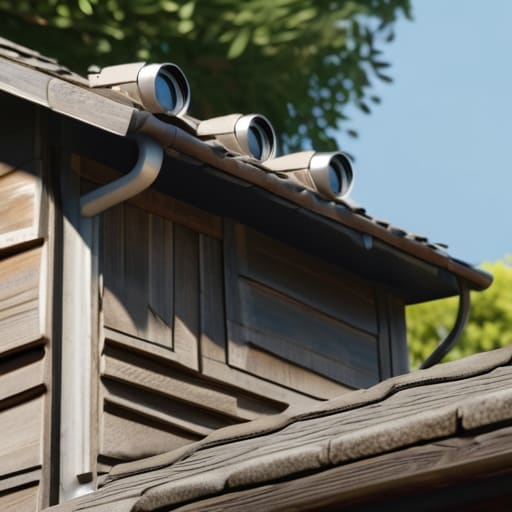
Now, if you aren’t planning on scaling a ladder this afternoon—and frankly, if you haven’t got the right safety equipment for roof inspection, you shouldn’t—you can still do a fair amount of work from the garden path. I always tell people to grab a pair of decent binoculars. It’s much easier to spot a problem from the ground than it is while balancing on a rainy ridge tile. You’re looking for more than just missing bits; you want to see if the edges of the shingles are curling upwards or if the colour has gone brittle and chalky. That’s a clear indicator of declining roofing material durability, usually because the sun has been beating down on them for twenty years too many.
Don’t forget to look down at the base of the house, too. A proper shingle condition assessment isn’t complete without a quick glance at your gutters. If you see granules from the tiles collecting in the bottom of the downpipe, or if the gutters are pulling away from the fascia, you’ve likely got a problem brewing. I’ve seen many a lovely cottage in the valley suffer because a small bit of debris caused a backup, leading to water creeping under the eaves.
A Few Things I’ve Noticed While Looking Up
- Keep your eyes on the gutters first. If they’re overflowing or pulling away from the fascia, it’s a sign that the weight of the water—or perhaps a heavy accumulation of moss—is putting more stress on the roof structure than it was designed for back in the 1950s.
- Don’t ignore the light in the attic. If you can see pinpricks of daylight through the rafters, you’ve got a problem with your tiles or slates, and it’s only a matter of time before a heavy Hampshire downpour finds its way onto your floorboards.
- Watch for the “dip.” If you’re looking at a roofline and it isn’t a straight shot from the ridge to the eaves, you might be looking at sagging rafters or failing purlins, which usually means the timber has been fighting damp for a long time.
- Check the flashing around the chimney stacks. I’ve seen too many houses where the lead has cracked or pulled away from the brickwork; if that seal is broken, the chimney becomes a direct straw for rainwater to enter your home.
- Use your nose in the loft. You don’t always need a ladder to find trouble; a stale, musty smell in a corner of the attic is often the first warning that a leak is brewing behind the insulation, long before you see a damp patch on the ceiling.
A Few Final Thoughts Before You Grab the Ladder
Don’t let a bit of moss fool you into thinking the whole roof is gone; look closer at the tiles themselves to see if they’re actually cracked or just dirty.
If you see a damp patch on your ceiling, don’t just wait for it to dry out—it usually means something is wrong up top, likely around a flashing or a gutter.
When in doubt, call in a professional; I’ve seen plenty of folks try to save a few quid by climbing up themselves, only to end up with a much more expensive problem than a few slipped tiles.
The View from the Ladder
You can look at a house from the pavement all day and see nothing but a pretty facade, but a roof tells you the real story of how a building is breathing; if you don’t check the valleys and the flashing yourself, you’re just waiting for the next heavy rain to tell you what you missed.
Gordon Ellery
A Final Look from the Garden Gate

At the end of the day, surveying your own roof isn’t about becoming a structural engineer; it’s about not being caught off guard when the autumn gales arrive. We have looked at everything from the obvious tell-tale signs of slipped tiles to the more subtle issues like moss buildup and damp patches on the rafters. If you have taken the time to check your gutters for debris and looked up at your chimney stacks, you are already ahead of most. Remember, if you spot something that looks even slightly amiss—a sagging ridge or a patch of discoloration—it is far better to call in a professional now than to wait until you see a damp patch on your living room ceiling.
I have spent thirty years looking at the bones of houses, from the mid-Victorian terraces in the valley to the newer builds on the outskirts, and I can tell you this: a house is a living thing. It breathes, it shifts, and it needs a bit of looking after. Taking twenty minutes once a year to walk the perimeter and look upward is more than just maintenance; it is a way of respecting the place you call home. A sturdy roof provides more than just shelter; it provides the peace of mind that allows you to sleep soundly through a storm. Keep an eye on your eaves, and you’ll be just fine.
Frequently Asked Questions
If I find a few cracked tiles, do I really need to call someone out, or can I just patch them myself on a Sunday morning?
Now, don’t go rushing up a ladder just because you’ve spotted a crack. If it’s just a single slipped tile on a low-pitched roof, a quick patch might do you for a season. But if you’re looking at a cracked ridge tile or something high up on a Victorian gable, leave it be. I’ve seen too many “Sunday morning fixes” turn into a broken hip because the ladder slipped. If it looks dodgy, call a professional.
How can I tell if that damp patch on my ceiling is a genuine roof leak or just a bit of old condensation from the winter?
If it’s a leak, the patch will usually expand after a heavy downpour, often leaving a distinct tide mark on the plaster. I’ve seen many a Victorian cottage in the valley where a single slipped slate causes exactly that. Condensation, however, tends to be more of a persistent, fuzzy dampness, often found near the eaves or in corners where the air sits still. If the patch smells musty even when it’s dry, get a ladder.
Is it worth paying for a professional surveyor to look at the rafters if the tiles themselves look perfectly fine from the garden?
It’s a tempting thought, isn’t it? If the tiles look tidy from the driveway, you feel you’ve won. But I’ve seen plenty of Victorian cottages in the valley where the slate looked grand, only for the rafters underneath to be little more than wet sponge. If you’re planning to stay long-term, pay the professional. A few hundred pounds now is a lot cheaper than replacing a collapsed roof timber in five years’ time.