I remember standing on a ladder outside a lovely little cottage near Sevenoaks back in ’94, squinting up at a ridge that looked more like a pile of damp hay than a proper roof. The estate agent was busy talking about “period charm” and “characterful features,” but I wasn’t listening to the sales pitch; I was looking at the blackened patches where the water had already won the battle. People tend to get blinded by the romantic picture on the brochure, but buying a house with a thatched roof isn’t just about owning a piece of history; it’s about signing up for a very specific, very expensive relationship with a specialist contractor.
I’m not here to tell you that thatch is a nightmare, nor am I going to tell you it’s easy. I’ve spent thirty years valuing properties across these counties, and I’ve seen enough water ingress to know exactly where the hidden costs lie. In this post, I’m going to give you the unvarnished truth about what you actually need to look for during a viewing and what those insurance premiums are really going to do to your monthly budget. No fluff, just the facts from someone who has actually been up on those roofs.
Table of Contents
Beyond the Postcard the Truth of Traditional Cottage Upkeep

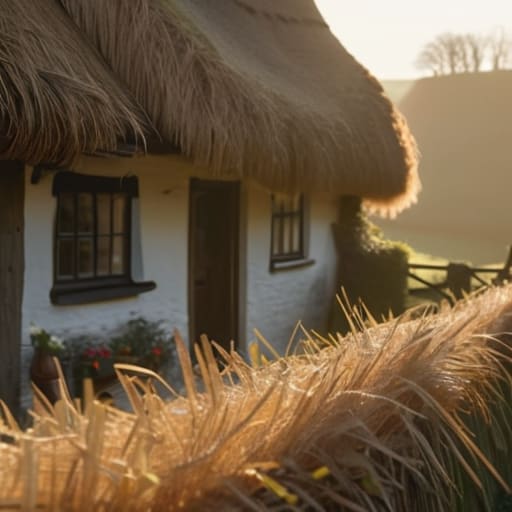
It is easy to fall in love with the way a bit of water reed or combed wheat reed softens the edges of a cottage, making it look like it has grown straight out of the Hampshire soil. But once you move in, you realise that traditional cottage upkeep is less about aesthetics and more about a constant, watchful eye. You aren’t just living in a house; you are managing a living, breathing organic structure. I’ve spent many a morning peering through binoculars at the ridge of a neighbour’s roof, looking for the tell-tale signs of bird damage or thinning that suggest the thatched roof lifespan is drawing to a close.
You also have to be sensible about the practicalities that the estate agents tend to gloss over in the glossy brochures. For instance, you must be mindful of the thatched roof fire risk, which means being particularly careful with wood-burning stoves and ensuring your chimney is swept more often than your friend in a modern semi would ever dream of. If you are serious about a property like this, I always suggest bringing along a specialist surveyor for thatched homes—someone who knows the difference between a minor patch job and a full re-ridging.
Why You Must Hire a Specialist Surveyor for Thatched Homes
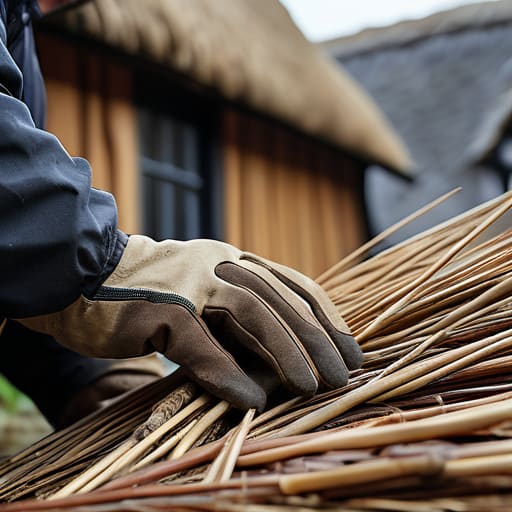
Now, I’ve spent thirty years walking through front doors and looking at rafters, and if there is one thing I’ve learned, it’s that a standard building survey is often a bit too thin for a home like this. A general surveyor might tell you the walls are straight and the windows are sound, but they won’t necessarily know if the reed is thinning or if the underlying timber is suffering from damp. You really need a specialist surveyor for thatched homes—someone who knows how to spot the subtle signs of decay before it becomes a catastrophe.
It isn’t just about the aesthetics, either. When you are looking at the long-term budget, you have to account for the thatched roof lifespan, which can vary wildly depending on whether you’re looking at water reed or combed wheat reed. If you miss a patch of rot early on, you aren’t just looking at a patch-up job; you’re looking at the staggering reality of thatched roof replacement costs that can catch a newcomer completely off guard. It is better to pay for a proper expert now than to find yourself staring at a hole in your ceiling two years down the line.
Five things to check before you sign the papers
- Check the age and condition of the thatch itself. A new coat of water reed or combed wheat reed can last twenty to thirty years, but if the owner tells you it was “done a few years ago,” ask for the receipt. I’ve seen many a buyer surprised by a bill for ten thousand pounds because the last job was a quick patch-up rather than a proper re-thatch.
- Don’t forget the insurance. It is a different world once you move from a standard brick semi to a thatched cottage. You will need a specialist provider, and your premiums will reflect that. I always tell people to get a quote before they even put in an offer; there is no sense in falling in love with a cottage only to find the insurance costs more than the mortgage.
- Look closely at the chimney. Thatch and open fires are a tricky combination. You need to ensure there is a proper non-combustible barrier—usually a metal plate or a specific distance of clearance—between the thatch and the chimney stack. I’ve spent many an afternoon looking at soot damage in old cottages, and it is a serious matter.
- Ask about the fire protection measures. Most insurers will insist on having a Thatch Protection Scheme membership or, at the very least, a dedicated fire extinguisher kept on-site. It isn’t just about paperwork; it is about making sure that if a spark does fly, you aren’t left standing in the garden watching your investment go up.
- Inspect the surrounding trees. If the house is tucked away behind a thicket of overgrown willow or oak, you’re asking for trouble. Overhanging branches drop debris that holds moisture against the thatch, which speeds up rot and invites birds to make a home in your roof. If the garden looks like a jungle, factor in the cost of a tree surgeon immediately.
Three things to remember before you sign
Don’t let the charm blind you to the cost; a thatched roof isn’t a “set and forget” feature, and you’ll need to budget for re-ridging every decade or so.
Your standard building surveyor isn’t enough for this job; you need someone who actually knows how to spot the difference between a bit of moss and genuine structural rot.
Check the insurance before you commit, as some providers get a bit twitchy about thatch, and you don’t want to find that out only after you’ve got the keys.
The cost of the view
Don’t let a pretty picture in a property brochure fool you; a thatched roof isn’t just a feature, it’s a living thing that needs watching, and if you haven’t budgeted for the specialist who knows how to handle it, you’re buying a headache, not a home.
Gordon Ellery
Final Thoughts Before You Sign
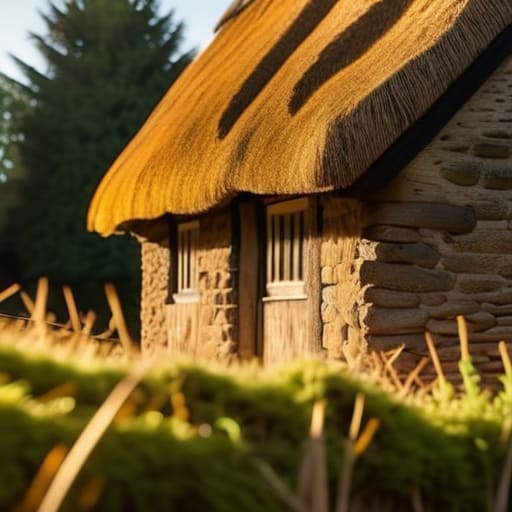
At the end of the day, buying a thatched cottage isn’t like picking up a standard semi-detached in a new build estate. You aren’t just buying four walls and a kitchen; you are taking on a living, breathing piece of local history that requires a specific kind of stewardship. Between the necessity of a specialist surveyor to spot the hidden rot and the reality of higher insurance premiums, there is no room for wishful thinking. If you haven’t factored in the cost of a re-thatch or the strictness of the fire regulations, you aren’t looking at the full picture. It is a commitment to upkeep and vigilance, and you must be prepared for both.
That said, if you do your homework and get the right people on your side, there is nothing quite like it. I have spent many an afternoon walking past these old eaves, and there is a particular kind of peace that comes with living in a house that has stood for two hundred years. It isn’t about the prestige or the Instagram photo; it is about being the next person in a long line of neighbours who looked after the place. If you approach it with your eyes open, you won’t just be buying a house, you’ll be becoming part of the village fabric. Just make sure you check the gutters first.
Frequently Asked Questions
How much should I actually set aside each year for the thatch maintenance fund?
Don’t let anyone give you a round, tidy figure; it’s never that simple. In my experience, you ought to be tucking away at least £1,500 to £2,000 every single year. It sounds like a lot until you’re staring at a bill for a full re-ridging, which usually needs doing every decade or so. Think of it like a sinking fund. If you don’t set it aside now, you’ll be scrambling when the straw starts thinning.
Will my standard home insurance cover me, or am I going to need something more specific?
Don’t go assuming your standard policy will do the job. I’ve seen plenty of folk find themselves in a spot of bother when a leak turns into a claim, only to find their insurer has tucked a “thatch exclusion” into the small print. You’ll almost certainly need a specialist policy. It costs a bit more, certainly, but it’s worth the extra few quid to know you’re actually covered when the weather turns.
How do I tell if a local contractor is actually experienced with water reed versus combed wheat reed?
Don’t just take their word for it over a cup of tea. Ask them straight: “What’s your preference for this specific pitch, and why?” If they talk about water reed, they should mention its durability and the way it handles heavy rain. If they’re suggesting combed wheat reed, they should be explaining the aesthetic benefits and the tighter, more traditional finish. If they can’t explain the difference between the two materials, they aren’t the man for the job.