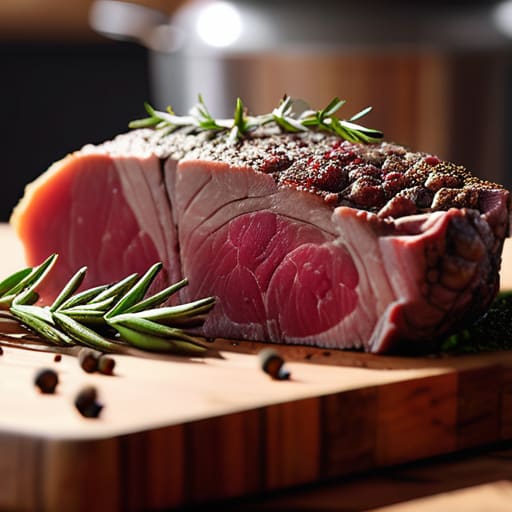
I saw a recipe in the Sunday supplement last week suggesting you need a digital probe, a sprig of rare mountain herbs, and a slow-cooker set to a precise, whispered temperature to get it right. It’s absolute nonsense. Most people overcomplicate the process until they’ve spent forty pounds on fancy gadgets just to end up with a piece of meat as tough as the limestone I was trying to mend in the garden last Saturday. If you want to learn how to cook a joint of beef without turning your kitchen into a laboratory, you don’t need a degree in molecular gastronomy; you just need to understand how heat actually moves through a solid object.
I’m not here to sell you on expensive seasonings or complicated techniques that take three hours of prep for ten minutes of eating. My approach is much more straightforward and practical. I’ll show you how to pick a decent cut from the butcher, how to use your oven like a sensible person, and most importantly, why you must let that meat rest before you even think about picking up a knife. It’s about getting it right the first time so you can actually sit down and enjoy your dinner.
Table of Contents
Searing Meat for Flavor and a Proper Crust
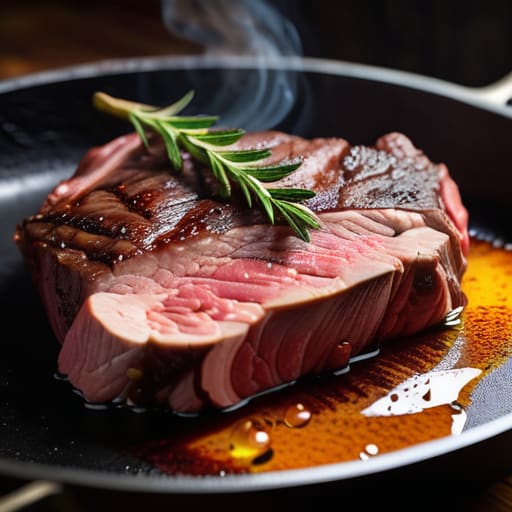
Now, before you even think about turning the oven dial, you need to talk to the meat. I’ve seen too many people skip this bit, and they end up with a grey, sad-looking slab that looks more like it’s been boiled than roasted. Searing meat for flavor isn’t just a fancy chef’s trick; it’s about creating that dark, crunchy crust that holds the juices in. Get a heavy pan—ideally cast iron, if you have one—whistling hot with a bit of oil. You want it smoking slightly. Lay the beef in, and don’t you dare move it for a minute or two. If it sticks, it isn’t ready. Let it develop that deep brown colour on all sides, including the ends.
While you’re doing that, don’t go overboard with the salt, but do be generous with the pepper. In my experience, the best seasoning for roast beef is simple: coarse sea salt and cracked black pepper. It’s enough to draw out the character of the grain without masking it. Once you’ve got that crust, the meat is ready for the heat, but remember, the real work happens once it’s in the oven.
The Best Seasoning for Roast Beef That Actually Works
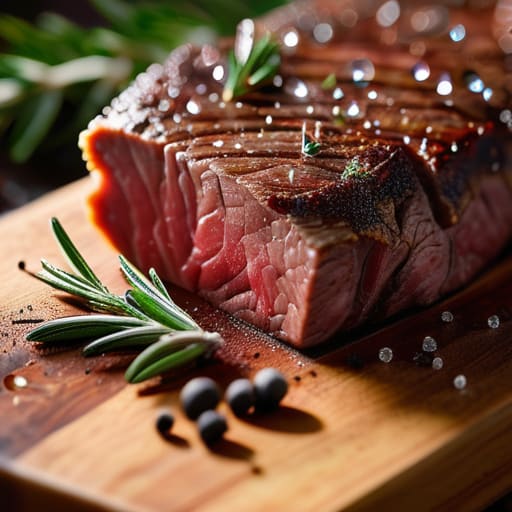
Now, once you’ve finished searing meat for flavor and have that lovely brown crust, you might be tempted to reach for a fancy spice rack. Don’t bother. I’ve spent many a Sunday afternoon at the parish lunch, and the best beef I’ve ever had didn’t come from a jar of rubbed herbs. The best seasoning for roast beef is, quite frankly, just a generous amount of coarse sea salt and some freshly cracked black pepper. If you’re feeling a bit more adventurous, a few sprigs of rosemary—the kind that grows wild behind the old rectory—can do wonders, but keep it simple.
The trick is to season the meat well before it ever touches the pan, or even better, an hour before it goes into the oven. If you only salt it at the end, you’re just seasoning the surface, and you’ll find the centre tastes a bit thin and uninspired. I always say, treat the meat with respect and it will return the favour. It’s a bit like maintaining a dry stone wall; if you don’t get the foundation right at the start, the whole thing will be a bit wobbly when you finally sit down to eat.
Five things I’ve learned from thirty years of Sunday lunches
- Give it time to rest. I know it’s tempting to carve into that beef the second it comes out of the oven, but if you do, all those juices will run straight onto the board and leave you with a dry piece of meat. Let it sit on a warm plate for at least twenty minutes; it’s the difference between a decent meal and a proper one.
- Watch the temperature, not just the clock. A timer is a blunt instrument and won’t tell you if your oven is running a bit hot today. If you can, get a meat thermometer. You want to see that internal temperature hit the mark you’re after, otherwise you’re just guessing, and guessing is how you end up with a grey, overdone roast.
- Don’t be afraid of a bit of fat. When you’re at the butcher—and I’d suggest the one in the high street rather than the supermarket if you can manage the extra few pence—ask for a cut with a good layer of fat on top. As it cooks, that fat melts down and bastes the meat, keeping it moist while the outside gets that lovely texture.
- Slice it against the grain. This is a bit of basic science, really. Look at the way the muscle fibres run through the meat and make sure your knife is cutting across them, not alongside. If you slice with the grain, you’ll be chewing for ten minutes just to swallow a single bite.
- Mind your pan juices. Once the meat is out and resting, don’t you dare throw away the liquid left in the roasting tin. Pour it through a sieve, add a splash of red wine or a bit of beef stock, and let it simmer on the hob. It’s the only way to make a gravy that actually tastes like something.
A few things to remember before you start
Get that meat out of the fridge at least an hour before it hits the pan; a cold centre is a sure way to end up with a grey, chewy middle.
Don’t be stingy with the salt and pepper, but do wait until you’re ready to sear to season it, otherwise you’ll just end up with a puddle of moisture in the bottom of the pan.
If you want a proper crust, make sure your pan is actually smoking hot before the beef touches it—if it doesn’t hiss, you’re just boiling the meat in its own juices.
A bit of patience goes a long way
You can buy the most expensive ribeye in the shop, but if you rush it by cranking the heat too high too fast, you’ve wasted your money; a proper roast is won in the quiet moments of resting the meat, letting those juices settle back in so you aren’t left with a dry, grey slab on your plate.
Gordon Ellery
The final bit before the carving
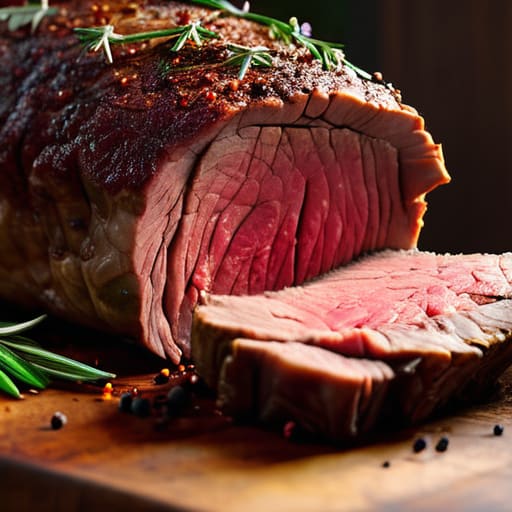
Once you have the meat in the oven, the hardest part isn’t the heat, it’s the waiting. Remember, a good roast isn’t won in the pan, but in the patience you show while it rests. If you’ve seared it properly to get that dark, tasty crust and you haven’t been stingy with the salt and pepper, you are already halfway there. Just make sure you don’t go rushing in with the knife the second the timer goes off. Let it sit on a warm plate for at least twenty minutes; if you cut it too soon, all that lovely juice will run out onto the board and leave you with a piece of meat as dry as a Cotswold summer. Give it time to settle, and the meat will reward you.
At the end of the day, a Sunday roast isn’t really about following a recipe to the letter or having a kitchen that looks like a showroom. It is about the simple, reliable pleasure of a hot meal and a bit of quiet time with the people you live with. I’ve seen many a fancy dinner party go wrong because someone was too focused on the presentation, while the best meals I’ve ever had were just a decent bit of beef and some proper gravy shared around a worn wooden table. Focus on the flavour, not the fuss, and you’ll find that a well-cooked joint of beef is one of life’s truest comforts.
Frequently Asked Questions
How long on earth should I leave it in the oven before it's actually done?
Now, this is where most people lose their nerve and end up with something resembling a leather boot. Don’t trust those fancy digital probes blindly; they can be temperamental. For a standard three-pound topside, I usually allow about twenty minutes per pound at 180°C for medium-rare. But the real secret is the rest. Once it’s out, let it sit under some foil for at least twenty minutes. If you cut it too soon, all that juice runs off.
Do I really need to use a meat thermometer, or can I just poke it with a skewer?
Look, if you’re asking me, the skewer is fine for a quick check, provided you aren’t in a rush. I’ve spent enough time inspecting old cottages to know that a quick glance doesn’t tell the whole story. If you poke it, make sure the skewer comes out warm, not cold. But if you want that perfect medium-rare without the guesswork, get a thermometer. It’s much harder to argue with a reading than a feeling.
What's the best way to let it rest so all those juices don't run all over the carving board?
Now, this is where most people trip up and end up with a plate of grey, boiled meat. Once that beef comes out of the oven, don’t you dare touch it with a knife. Get it onto a warm plate, tent it loosely with some foil—don’t wrap it tight or you’ll steam it—and leave it be for at least twenty minutes. It lets the fibres relax so the juices stay in the meat, not on your board.