I was sitting in the village shop the other morning, watching the clock tick past ten, when I realised how many of us have suddenly found ourselves with a surplus of time and a bit too much quiet in the house. It’s a strange thing, moving from forty years of measuring rafters and checking damp levels to having nothing but the garden to keep you company. Many of my neighbours have asked me lately if there’s anything left to actually do around here, looking for some meaningful volunteering ideas for retirees that don’t involve just sitting in a drafty church hall. It isn’t about filling the hours to stay busy; it’s about making sure the local fabric doesn’t fray at the edges just because we’ve stopped working for a wage.
In the following few paragraphs, I’ve put together five practical ways to get involved that actually matter to the community. I won’t be suggesting anything that requires you to run a marathon or learn how to use a tablet, unless you really want to. Instead, I’ll be sharing my thoughts on how you can use those decades of experience—whether you were a teacher, a plumber, or a clerk—to keep our village moving. These are the roles that ensure the local shop stays stocked and the heritage buildings don’t fall into disrepair.
Table of Contents
- Keeping the Village Hall Alive
- A Helping Hand at the Local Library
- Watching Over Our Green Spaces
- Supporting the School Gates
- Sharing Skills at the Community Workshop
- A few final thoughts before you head out
- More Than Just Keeping Busy
- A Final Thought Before the Tea Gets Cold
- Frequently Asked Questions
Keeping the Village Hall Alive

Most of us remember the village hall as the place where the dances happened back in the seventies, but these days, it’s often just a drafty building with a leaking roof that needs constant attention. I spent three hours last Tuesday helping the committee sort through the accounts, and let me tell you, they need people who can actually make sense of a spreadsheet without needing a coffee break every ten minutes. It isn’t glamorous work, but if the hall isn’t maintained, we lose the only place in the parish where the young and the old actually cross paths.
A Helping Hand at the Local Library
I walked past the library on High Street yesterday—the one built in 1902 with those lovely stone lintels—and saw a queue forming for the new community reading group. Libraries are more than just places to borrow a paperback; they have become essential hubs for anyone struggling with the digital age. There is a real, pressing need for people who can sit down with someone and show them, patiently, how to navigate a tablet or send an email without making them feel like a complete novice.
Watching Over Our Green Spaces
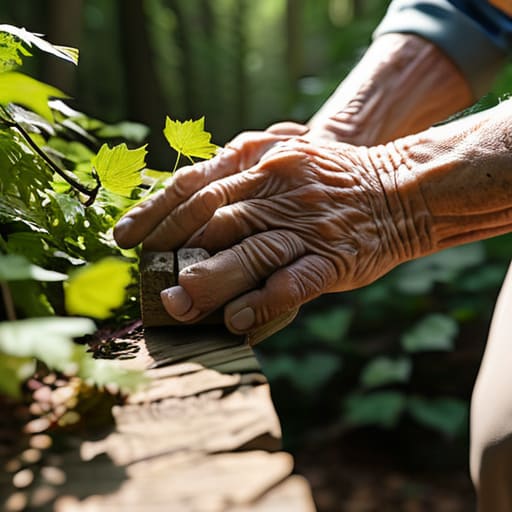
I spent most of Saturday morning attempting to mend a section of the dry stone wall near the old mill, and while I’m certainly not a professional, it got me thinking about our local footpaths. Many of our walking routes are becoming increasingly difficult to navigate because the signage has rotted away or the hedges have grown so thick you can’t see your own boots. Joining a local conservation group or a “path warden” scheme is a way to ensure that the walks we love remain walkable for the next generation.
Supporting the School Gates
I’ve always maintained that a village school is the heartbeat of a community, but the teachers are often spread thinner than a coat of cheap emulsion. They don’t just need money; they need people who can lend a hand with the occasional school garden project or help out during the summer fayre. I remember the fayre back in ’88—we had a marquee that wouldn’t stay up in a stiff breeze—but the spirit of the thing was what kept the school’s library fund growing.
Sharing Skills at the Community Workshop
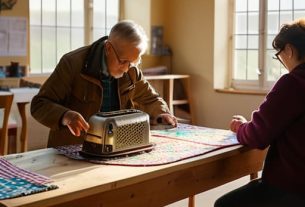
During my years as a surveyor, I met all sorts of tradesmen, and I learned that there is no shortage of practical knowledge just sitting in our retired population. If you spent forty years as a carpenter, a seamstress, or even a gardener, there are local groups that would value your expertise more than any textbook. There’s a small workshop over by the old smithy that holds “repair cafes,” where people bring in broken kettles or torn trousers instead of just binning them.
A few final thoughts before you head out
Don’t feel you need to commit to a formal committee or a heavy workload; sometimes the most vital help is just being the person who shows up for an hour on a Tuesday morning.
Look for the gaps in our local life, like the single shop that’s struggling or the community hall that needs a bit of tidying, rather than just following the usual official channels.
Remember that staying active in the village isn’t just about being useful to others, it’s about making sure you don’t find yourself stuck behind a closed front door with nothing but the telly for company.
More Than Just Keeping Busy
You don’t volunteer because you’ve got nothing better to do; you do it because a village without people looking out for one another is just a collection of bricks and mortar, and I’ve spent far too many years valuing houses to believe that’s all a home is.
Gordon Ellery
A Final Thought Before the Tea Gets Cold
Whether you find yourself helping out at the parish hall, keeping an eye on the village shop, or perhaps lending your expertise to a local conservation project, the principle remains the same. It isn’t about filling a gap on a CV or finding something to do just to pass the time between the morning paper and lunch. It is about the small, practical ways we knit a community back together. From managing a garden to helping a neighbour with their heavy lifting, these roles are the very glue that keeps our villages from becoming nothing more than collections of houses. I have seen many a fine street lose its heart simply because people stopped looking out for one another, so taking up one of these roles is more than just a hobby; it is a way of protecting our local identity.
If you are sitting there wondering if you have anything left to offer, let me tell you plainly: you do. You have decades of experience that a twenty-year-old simply hasn’t had the time to acquire yet. Whether it is the patience learned from years of work or the steady hand needed for a bit of dry stone walling, your contribution matters. Don’t wait for a formal invitation from the council or a glossy pamphlet to arrive in the post. Just step outside your front door, say hello to someone who looks like they could use a hand, and see where it leads you. That is how the best things in life—and the best villages—actually happen.
Frequently Asked Questions
If I've only got a couple of hours on a Tuesday morning, is there anything that won't feel like a massive commitment?
If it’s just a Tuesday morning you’ve got to spare, don’t go signing up for a committee. That’s a one-way ticket to a long afternoon of tea and pointless debate. Instead, try the community garden or the local food bank drop-off. I’ve seen the lads at the allotment arrive at 10:00, prune a few shrubs, and be home for lunch. It’s useful work, it’s done, and nobody expects you to stay for the meeting afterwards.
Do I need to have a specific set of qualifications, or is just being a steady pair of hands enough?
Look, I’ve seen plenty of people with fancy degrees walk into a village hall and trip over their own feet because they couldn’t manage a tea service. Most of what we need isn’t a certificate; it’s just being a steady pair of hands and showing up when you say you will. If you can keep a straight face and a reliable schedule, you’re already halfway there. Most local groups value reliability far more than a CV.
How do I find out if these local groups actually need help, or if they're just putting out a call for the sake of it?
Don’t just take the flyer at face value. I’ve seen plenty of committees that exist solely to justify their tea fund. The best way to tell is to turn up to a meeting or pop into the village hall when they’re active. If they’ve got a specific, nagging problem—like a broken gate or a rota with three empty slots—they need you. If they’re just chatting over biscuits, they’re likely just socialising.