I walked past the old oak near the parish hall yesterday and noticed the noticeboard is looking a bit sorry for itself; the wood is greyed, and half the flyers are curling at the edges from the damp. It’s a common sight in most of our small settlements, where these boards end up looking more like a graveyard for lost kittens and outdated milk delivery notices than a proper hub. We often forget that a neglected board is a sign of a neglected community, and if we want people to actually engage with what’s happening, we need better village noticeboard ideas than just pinning a soggy memo to a rusted pole.
I’ve spent enough time in parish meetings to know that a board only works if people actually stop to look at it. In the following five points, I’m going to share a few practical ways to turn that empty wooden box back into the beating heart of the village. I’ll show you how to organise the clutter, how to make the information actually useful, and how to ensure your board stays relevant for the next generation.
Table of Contents
The Community Lost and Found
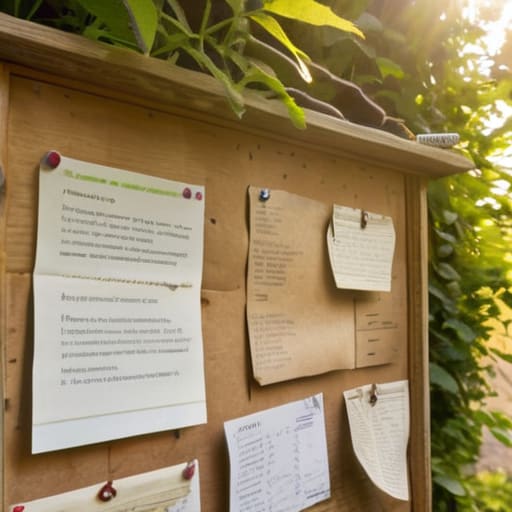
We’ve all been there—walking the dog down the lane near the old mill (built around 1840, if memory serves) and spotting a single, lonely Wellington boot or a set of keys near the hedgerow. A noticeboard shouldn’t just be for official council business; it needs a dedicated corner for the small, everyday mysteries of village life. When someone loses a cat or a gardening glove, they don’t want to search through a dozen flyers for the upcoming fete just to find a way to get their property back.
Local Skills and Handyman Help
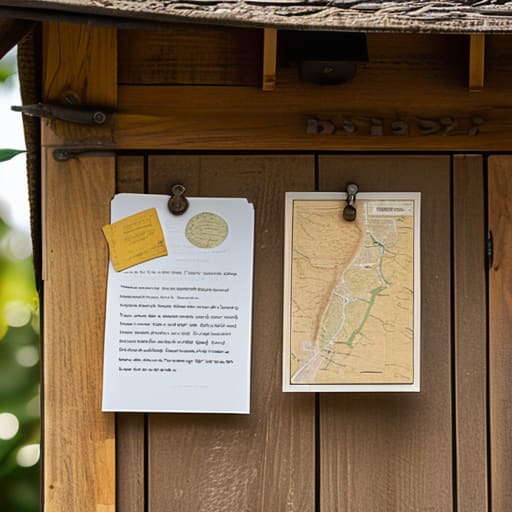
In my thirty years of surveying, I learned that a village is only as strong as the people who can fix its leaks. We have a wealth of talent tucked away in our cottages, from retired electricians to the young lad down the lane who is brilliant with a hedge trimmer. Instead of everyone scouring the internet for a contractor who might not even know where our village sits on a map, the noticeboard can serve as a local directory of talent.
The Seasonal Produce Exchange
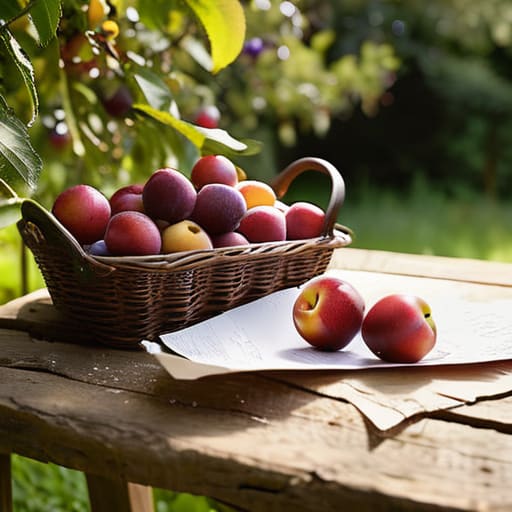
There is nothing quite like the surplus of a well-tended garden in late July. I remember a summer back in ’98 when the courgettes were growing so fast they practically took over the driveway. A noticeboard is the perfect place to announce a “surplus harvest”—letting people know that the Smith family has far too many plums or that the apples from the orchard near the church are ready for picking.
Walking Routes and Local History
I often find that even those of us who have lived here for decades don’t know every bend in the footpath that leads toward the valley. A noticeboard is an excellent spot to pin up a hand-drawn map or a simple guide to the local walks. If you can include a note about how long a walk takes—say, a forty-minute stroll to the brook—it makes the information actually useful for someone deciding whether to head out in their walking boots.
The Village Event Calendar
We all know the trouble with a noticeboard that is three months out of date. There is nothing more frustrating than seeing a flyer for a summer bonfire when the frost is already on the ground. To make this work, you need a clear, rotating system for the events that actually matter: the parish council meetings, the school plays, or the annual pub quiz.
A Final Word for the Parish Council
A noticeboard is only as good as the person who checks it; if it’s covered in sun-bleached flyers from 2019, people will stop looking at it entirely.
Focus on the things that actually move the needle for residents, like the local bus times or the plumber who doesn’t charge a fortune, rather than just official memos.
Keep it readable and keep it human, because a bit of community spirit is worth far more than a perfectly formatted, but lifeless, government bulletin.
More Than Just a Piece of Timber
A noticeboard shouldn’t be a graveyard for lost-and-found kittens and outdated parish council agendas; it ought to be the one place in the village where you can actually feel the pulse of the street, telling you who’s baking what and who’s helping whom.
Gordon Ellery
A Final Word on the Village Hub
At the end of the day, whether you decide to install a weather-proof glass cabinet near the post office or simply start pinning up hand-drawn notices for the upcoming flower show, the goal remains the same. It isn’t about having the most expensive timber or the fanciest font; it is about making sure that the information actually reaches the people who need it. From those little community swap-shop flyers to the essential updates on the bin collection changes, a well-maintained board keeps us all on the same page. If you take the time to keep it tidy and ensure the paper hasn’t gone grey from the damp, you aren’t just managing a piece of wood and some pegs—you are tending to the village pulse.
I have spent forty years looking at the bones of buildings, and I can tell you that a structure only holds its value if there is life moving through it. A village without a way to talk to one another is just a collection of driveways and postcodes, and that is a lonely way to live. So, please, don’t let that noticeboard become a graveyard for faded, unreadable memos from three years ago. Treat it with a bit of pride, keep it updated, and use it to bring us closer together. It is often the smallest, most overlooked things—like a bit of news on a corkboard—that end up being the glue that holds a community in place.
Frequently Asked Questions
Where on the street is the best spot to put a board so people actually see it without it becoming a trip hazard?
You want to avoid the temptation of sticking it right in the middle of the pavement. I’ve seen enough near-misses with prams and walkers to know better. The sweet spot is usually tucked against a boundary wall or a sturdy post, about two feet back from the main thoroughfare. Aim for eye level—roughly five feet up—near a natural stopping point, like the bus shelter or the post box, where people already pause.
How often should we be swapping out the old flyers so the board doesn't just end up looking like a graveyard for last year's parish council notes?
If you leave a flyer up longer than a fortnight, it stops being news and starts being wallpaper. I’ve seen boards in the next parish over that looked like a graveyard of 2022 bake sale notices; nobody looks at those. I reckon you should do a sweep every Monday morning. If the event has passed or the date is more than a week away, take it down. A tidy board tells the village the information is actually worth reading.
What’s the best way to stop people from treating it like a free advertising space for their local dog walking business or driving lessons?
It’s a common headache, isn’t it? You look up and instead of the parish council update, you’ve got six different flyers for poodle grooming. The trick is to stop treating it like a public telephone box. I’ve found that if you put up a small, neat sign at the top—something simple that says ‘Community Notices Only’—it works wonders. If you don’t set the boundary, people will assume the board belongs to whoever has the brightest paper.