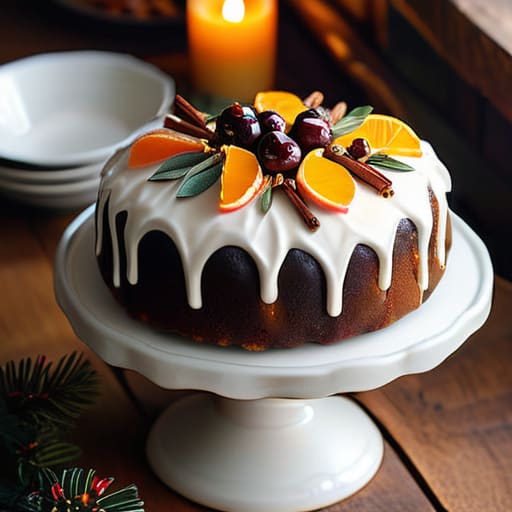
People will tell you that knowing how to make a christmas cake is all about following a fancy recipe from a glossy magazine, but they’re dead wrong. I spent forty years looking at the structural integrity of flint and lime mortar, and I can tell you that a cake is no different; if your foundation is rubbish, the whole thing will crumble before you even get the brandy poured in. I learned this the hard way back in ’94, standing in a kitchen in Upper Slaughter with a fruitcake so heavy and uneven it looked more like a collapsed chimney stack than a dessert. It wasn’t a lack of expensive ingredients that failed me, but a failure to understand the patience required for the soak.
I’m not here to give you a list of supermarket shortcuts or flowery prose that promises a miracle in thirty minutes. I’m going to show you the actual, slightly messy process of getting the weight, the moisture, and the timing right. I’ve done the trial and error so you don’t have to, and I’ll tell you exactly which spices are worth the extra pence at the local grocer.
Table of Contents
- Recipe Instructions
- Sourcing Traditional Fruitcake Ingredients That Actually Last
- The Patient Magic of Homemade Brandy Soaked Raisins
- Five things I’ve learned from a lifetime of kitchen mishaps
- A Few Final Thoughts Before You Pop It in the Oven
- ## A Matter of Patience
- The Final Inspection
- Frequently Asked Questions
Recipe Details
Ingredients
- 250g unsalted butter, softened
- 250g dark brown sugar
- 4 large eggs
- 250g all-purpose flour
- 1 tsp baking powder
- 2 tsp ground cinnamon
- 1 tsp ground nutmeg
- 400g mixed dried fruits (raisins, sultanas, currants)
- 50g candied orange peel, chopped
- 50g glacé cherries, halved
- 2 tbsp brandy or dark rum
Recipe Instructions
Step 1
You’ll need to start by getting your fruit ready, and I don’t mean just dumping it out of a bag. I’m talking about a good quality mix of raisins, sultanas, and currants—the kind that isn’t shrivelled into nothingness. I like to soak mine in a bit of brandy or dark rum at least twenty-four hours before I even touch the oven. If you’re in a rush, you can use orange juice, but don’t expect that deep, dark colour that makes a cake look like it’s worth the effort.
Step 2
Next comes the creamed butter and sugar, which is where most people get a bit lazy. You want to beat them together until they are pale and fluffy, almost like a light sponge, but remember we aren’t making a Victoria sponge here. We need a sturdy foundation to hold all that heavy fruit. If your butter is hard as a brick because you forgot to take it out of the larder, just warm it slightly, but don’t let it turn into a puddle of oil.
Step 3
Once you’ve beaten in your eggs—one at a time, mind you, or you’ll end up with a split mess—it’s time for the flour and the spices. I always use a bit more nutmeg than the recipe suggests; it gives it that proper warmth that lingers. Fold the flour in gently with a metal spoon. You want to incorporate it without knocking the air out, much like how I have to carefully settle the stones in a dry wall so they don’t just slide apart the moment you turn your back.
Step 4
Now, stir in that soaked fruit and a handful of chopped candied peel. If you’re using a heavy fruitcake tin, make sure you line it well with parchment paper. I’ve seen too many people try to save time on the lining only to find themselves scraping a burnt crust off the bottom of the tin an hour later. It’s a waste of good ingredients and a waste of your afternoon.
Step 5
Get it into the oven—not too hot, around 140°C (that’s about a fourth of the way up on most standard dials)—and settle in for the long haul. A real Christmas cake isn’t a quick affair; it’ll likely take three hours or more. Check it by poking a skewer into the centre; if it comes out clean, you’re golden. Once it’s out, let it cool completely in the tin. If you try to move it while it’s still warm, you’ll find it has the structural integrity of wet sand, and nobody wants a crumbled cake on Christmas Day.
Sourcing Traditional Fruitcake Ingredients That Actually Last
Now, don’t go thinking you can just grab a bag of whatever raisins are on sale at the supermarket and expect a result worth the effort. If you want a proper result, you need to look at your traditional fruitcake ingredients with the same scrutiny I’d give a structural survey on a Victorian terrace. I’ve seen too many people try to rush the process with dried fruit that’s been sitting in a plastic packet since the mid-nineties. It’s bone dry and has no soul. I prefer to spend a week preparing my homemade brandy soaked raisins, letting them sit in a heavy glass jar in the pantry. It takes patience, but that’s the only way to ensure the moisture stays locked in when the heat hits the oven.
You also need to be particular about your aromatics. A lot of the pre-mixed tins you find in the shops are a bit thin on character. If you want that deep, warming scent, you need to source the best spices for holiday cake—think high-quality nutmeg and cinnamon, not the dusty stuff from the back of the cupboard. I always tell the folks at the parish meeting: if the spice doesn’t make your nose tingle when you open the jar, it isn’t worth putting in your batter.
The Patient Magic of Homemade Brandy Soaked Raisins

I remember my father used to say that a Christmas cake without properly prepared fruit was just a very expensive sponge. He was right, of course. If you want that deep, heavy texture, you can’t just tip a bag of raisins into a bowl and hope for the best. The real secret lies in the preparation of your homemade brandy soaked raisins. I usually start this process at least a fortnight before the baking begins. I find that using a heavy, dark brandy—the sort you wouldn’t actually want to sip on its own—does wonders for the fruit. You want them plump, heavy, and practically bursting with spirit.
Now, some people try to cut corners by using cheaper spirits or even just juice, but you’ll find the cake lacks that essential moisture. If you are following a rich dark fruitcake recipe, the alcohol acts as a natural preservative, which is vital if you plan on how to store fruitcake long term. Once the fruit has had its fill, I always give the bowl a gentle stir every few days. It’s a bit like tending to a garden; it requires a bit of patience, but the result is a cake that stays moist well into the New Year.
Five things I’ve learned from a lifetime of kitchen mishaps
- Don’t go skimping on the butter. I’ve seen people try to use margarine to save a few pence, but by the time the cake comes out of the oven, it has the structural integrity of a wet sponge. Use the real stuff; your neighbours will taste the difference when they come round for a slice.
- Line your tins with parchment paper, and do it properly. I once spent forty-five minutes trying to scrape a burnt, stuck-on fruitcake out of a metal tin because I thought I could get away without it. It wasn’t worth the effort, and it certainly wasn’t worth the heartache.
- Watch your oven temperature like a hawk. Most people think a slow bake is just a suggestion, but if that heat creeps up even ten degrees too high, you’ll end up with a dark, bitter crust and a raw middle. I’ve seen enough cracked masonry in my surveying days to know that uneven heat is a recipe for disaster.
- Give the batter a proper stir, but don’t go mad with it. You want the fruit distributed evenly so you don’t get one bite that’s all raisin and another that’s just plain sponge. It’s a bit like laying a foundation—if the heavy bits settle at the bottom, the whole thing is lopsided.
- Be prepared to wait. A Christmas cake isn’t something you whip up on a Tuesday afternoon and expect to be perfect by tea time. It needs time to settle, time to mature, and frankly, time for you to stop hovering over it. Patience is the most important ingredient, and it’s the one most people forget to buy.
A Few Final Thoughts Before You Pop It in the Oven
Don’t go skimping on the spirits; if the fruit isn’t swimming in enough brandy or rum to make a surveyor blush, you’ll end up with a cake that’s more bread than celebration.
Patience is your most important ingredient, and I mean that literally—if you try to rush the soaking process, you’re just wasting good fruit and good money.
Keep a close eye on your storage; a cake is only as good as the dark, cool corner of the larder where you keep it tucked away from the damp.
## A Matter of Patience
I’ve spent thirty years looking at the structural integrity of flint and mortar, but I’ve learned that a proper Christmas cake is much the same; if you try to rush the soaking or skimp on the weight of the fruit, the whole thing will eventually crumble under its own lack of character.
Gordon Ellery
The Final Inspection
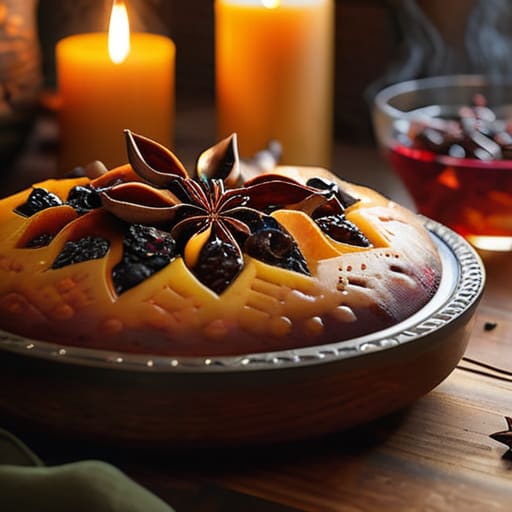
Once you have finished the heavy lifting—the weighing of the spices, the careful selection of the fruit, and that long, necessary wait for the brandy to do its work—you are left with more than just a sponge and some dried currants. You have a project that requires the same patience I use when resetting a loose stone in a garden wall. It comes down to the basics: good quality ingredients that don’t turn to dust in a week, and the discipline to let the fruit soak without rushing the process. If you have followed the steps, you haven’t just made a dessert; you have built a foundation for a proper festive season.
At the end of the day, a Christmas cake isn’t meant to be a perfect, shop-bought specimen that looks like it came out of a plastic film. It is meant to sit on a sideboard, smelling of cloves and warmth, waiting for the right moment to be sliced. It is about the quiet satisfaction of making something real in a world that often feels a bit too hurried and artificial. Whether you serve it with a bit of sharp cheddar or a dollop of cream, remember that the best part isn’t the sugar—it’s knowing you put the work in yourself. I’ll see you at the village shop on Tuesday; I’ll be the one looking for more brandy.
Frequently Asked Questions
If I’ve run out of brandy halfway through, can I get away with using something else, or will it ruin the whole thing?
Don’t panic; the cake won’t collapse, but it will certainly change character. If you’ve run out of brandy, a good dark rum is your best substitute—it’s got the weight to handle the fruit. You could use apple juice if you want something milder, though you’ll lose that deep, festive warmth. Just avoid anything too sweet or fizzy. I once used sherry in a pinch back in ’94, and it turned out quite decent.
How long do I actually need to leave the cake to mature before it’s fit for the table?
If you’re looking for a quick fix, you’re looking at the wrong cake. I’ve seen people try to rush it after a week, but it’s just a heavy, dry sponge then. For a proper cake—the kind that holds its own against a sharp cheddar—you want at least three weeks. Ideally, aim for a month. Keep it in a tin, wrapped tight, in a cool cupboard. Patience is the main ingredient, I’m afraid.
Is it worth spending the extra money on the fancy dried fruit from the deli, or will the supermarket stuff do the job well enough?
Now, I’ve seen plenty of people try to cut corners at the supermarket, and frankly, it’s a bit like buying a house with a damp problem just because the kitchen tiles look nice. If you’re using the cheap, dusty raisins that have been sitting in a plastic bag since Tuesday, you’re asking for a dry, crumbly mess. Spend the extra few pounds at the deli. The fruit is plump, it’s heavy, and it actually holds the moisture.