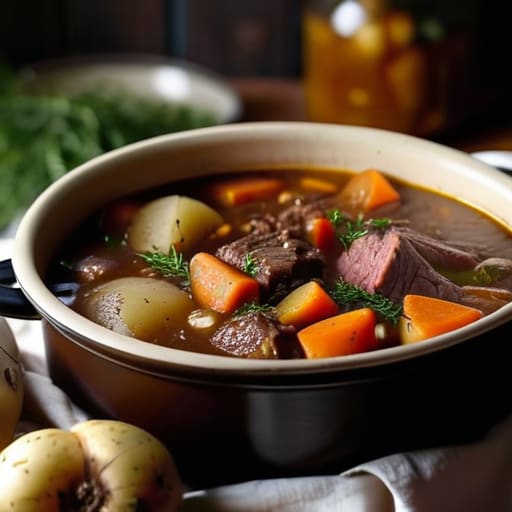
I’ve seen enough “gourmet” recipe books in the local charity shops to know they’re mostly nonsense. They’ll tell you that you need hand-picked saffron or a reduction of vintage port just to figure out how to make a hearty stew, but frankly, that’s a load of rubbish. If you’re standing in a kitchen in the middle of a damp Tuesday in November, you don’t want a culinary performance; you want something that actually sticks to your ribs. I remember my first year surveying old cottages near Salisbury—most of them built in the mid-1800s—and the only thing that kept the chill out of my bones after a day of measuring damp floorboards was a heavy pot of beef and root vegetables simmering on the stove.
I’m not going to waste your time with fancy knife skills or ingredients you can’t find at the village shop. I’m going to show you how to use a few honest, sturdy ingredients and a bit of patience to get a result that tastes like home. This isn’t about being a chef; it’s about knowing how to make a hearty stew that stays warm long enough to eat while you’re watching the news.
Table of Contents
Choosing the Best Cuts of Meat for Stew
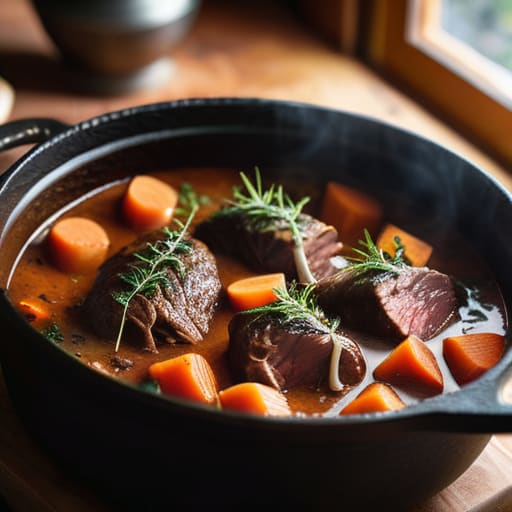
Now, don’t go wandering into the supermarket and picking up those expensive, lean fillets you’d use for a Sunday roast. If you try that here, you’ll end up with something as tough as a piece of old boot leather. For a proper pot, you want the bits that have done the hard work. I always look for chuck steak or even some beef shin if the butcher has it. These are the best cuts of meat for stew because they are marbled with fat and connective tissue. As the heat works its way through the pot over a couple of hours, that tough tissue breaks down into something silky.
I’ve spent enough time looking at property damp to know that patience is a virtue, and the same applies to your kitchen. Whether you prefer a slow cooker vs dutch oven stew, the principle remains the same: you need meat that can withstand a long, slow soak in the liquid. If you pick something too lean, it simply vanishes into the broth. Stick to the shoulder or the neck; they might look unappealing in the butcher’s window, but they’ll reward you once the lid comes off.
Building a Flavorful Vegetable Broth Base
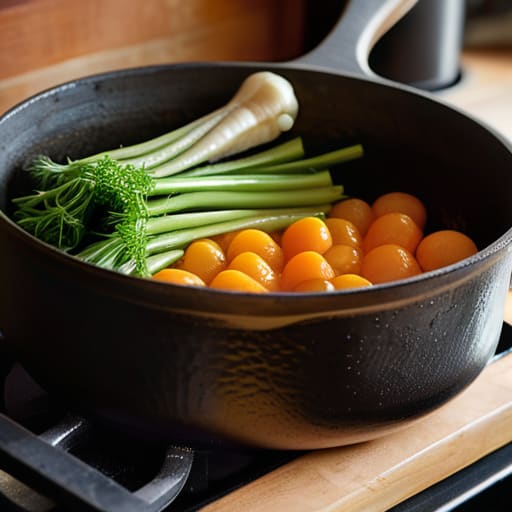
Now, once you’ve sorted your meat, don’t go rushing straight into the pot with just water. That’s a mistake I saw many a novice make during my years surveying old farmhouses; they’d try to patch a problem without looking at the foundation. For a proper stew, you need a flavorful vegetable broth base that acts as the bedrock. I like to start with the basics: onions, carrots, and celery. I’ve found that if you sauté them in a bit of butter or oil until the onions are just translucent—not browned, mind you—you create a depth that a cube of stock simply cannot mimic.
The real secret, though, lies in your stew seasoning and aromatics. I always keep a handful of thyme and a couple of bay leaves from the garden handy. Throw them in early. If you’re using a heavy cast-iron pot, let those vegetables soften and mingle with the juices from the meat before you add your liquid. It’s about building layers, much like how a well-built stone wall relies on the smaller, tighter stones to hold the weight of the larger ones.
Five things that actually make the difference
- Don’t rush the browning. If you throw the meat straight into the liquid, you’re wasting your time. Get the pan hot, use a bit of lard or oil, and let those chunks get a proper, dark crust first. That’s where the colour comes from, not a bottle of food colouring.
- Timing is everything with your veg. If you chuck your potatoes in at the same time as the beef, you’ll end up with a pot of mush by the time the meat is tender. I usually wait until the meat has been simmering for at least an hour before I even think about the spuds.
- Use a bit of stout or a decent ale if you have it. I’ve found a dark ale works better than a heavy red wine for a proper thick stew. It adds a bit of weight to the sauce that water or a thin stock just can’t manage.
- Watch your salt. As the liquid reduces down over two or three hours, the saltiness concentrates. I always season lightly at the start; you can always add a pinch more at the table, but you can’t take it out once it’s gone wrong.
- Let it sit. A stew is never at its best the second it comes off the hob. If you can manage to let it sit for twenty minutes while you clear the kitchen counters, the flavours settle and the texture improves. It’s much like a good dry stone wall—it needs a moment to find its feet.
A few things to remember before you turn the heat on
Don’t be in a rush; a stew is like a well-laid dry stone wall, it needs time to settle, so let it simmer low and slow rather than trying to force it to finish in an hour.
If you find yourself with a bit of leftover crusty bread from the bakery, keep it close by, as you’ll want it to mop up every last drop of the gravy once the pot is empty.
Keep your seasoning simple and steady, adding a pinch of salt or a crack of pepper as you go, rather than dumping it all in at the start and hoping for the best.
## A bit of patience goes a long way
You can’t rush a proper stew any more than you can rush the settling of a foundation; if you try to hurry the heat, you’ll end up with tough meat and a thin broth, but if you let it sit low and slow on the hob, the flavours eventually find each other and settle in.
Gordon Ellery
A bit of patience and a warm bowl
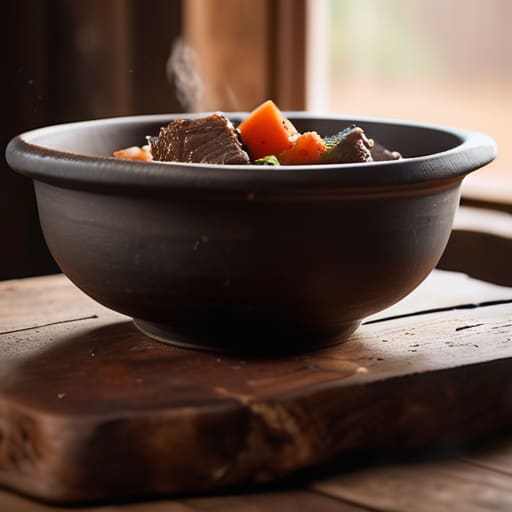
Once you have the right cut of beef—preferably something with a bit of gristle that knows how to soften—and you have built that foundation of carrots and onions, the hard work is mostly done. Just remember that a stew is not a race. You cannot rush a slow simmer any more than you can rush the drying of a damp stone wall. Keep the heat low, keep the lid on, and let the flavours settle into one another. If the sauce looks a bit thin towards the end, don’t panic; a little more time or a dusting of flour will do the trick. It is about getting the textures right, ensuring the vegetables are tender but not quite mush, and the meat falls apart at the mere suggestion of a fork.
At the end of the day, a good stew is about more than just filling a gap in your stomach. It is the sort of meal that makes a house feel like a home, especially when the wind is whistling through the eaves of those old Victorian cottages down the lane. There is a certain quiet satisfaction in sitting down to something you have made from scratch, using ingredients you actually recognise. It isn’t fancy, and it certainly isn’t something you’d serve at a high-end restaurant in Salisbury, but it is honest food. And in a world that seems to be moving a bit too fast for my liking, there is nothing quite as important as taking the time to sit down and enjoy it.
Frequently Asked Questions
Should I bother with a splash of ale or red wine, or is a bit of good stock enough to do the job?
If you have a decent stock, you can certainly stop there, but if you’ve got a bit of ale or a splash of red wine in the cupboard, use it. I always find a pint of local bitter adds a weight to the sauce that stock alone can’t quite reach. It’s not about being fancy; it’s about depth. Just don’t go using that expensive Cabernet you’re saving for Sunday lunch.
How long do I actually need to let it simmer before the meat stops being tough?
If you’re using a proper chuck steak or shoulder joint, don’t even think about eating before the ninety-minute mark. In my experience, it’s a bit like waiting for a damp cottage wall to dry; patience is the only way. I usually find that two and a half hours is the sweet spot. You’ll know it’s ready when the fork slides in without a fight. If it’s still chewy, give it another twenty minutes.
Is it better to throw the potatoes in at the start, or will they turn to mush before the beef is ready?
If you throw them in at the start, you’ll end up with a thick, grey sludge rather than a proper stew. I’ve seen plenty of people make that mistake. Give the beef at least an hour or ninety minutes to soften first. Add your potatoes about forty minutes before you intend to eat. That gives them enough time to soak up the gravy without losing their shape entirely. Even a slightly firm potato is better than mush.