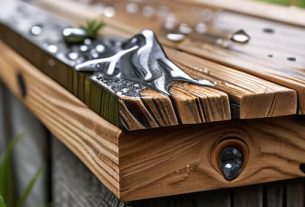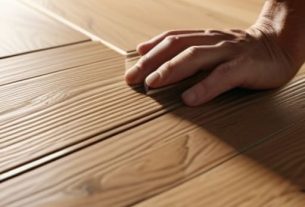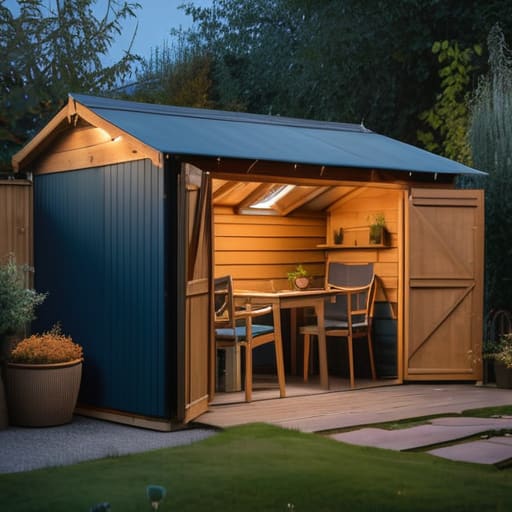
I spent thirty years surveying properties from the Test Valley up to the edge of the Marlborough Downs, and if there is one thing I’ve learned, it’s that people love to spend money on things they don’t actually need. I saw a neighbour last week spending a small fortune on those heavy-duty, vacuum-sealed plastic covers that promise to keep everything pristine. It’s a bit of a nonsense, really. Most of those fancy gadgets just trap the damp inside, turning your lovely teak set into a breeding ground for mould before the first frost even hits. If you’re looking for advice on how to store garden furniture, you don’t need a high-tech solution; you just need to understand how the air moves.
I’m not here to sell you on expensive gadgets or complicated checklists that take all afternoon. My goal is to give you the straight truth on how to store garden furniture based on what I’ve actually seen rot or survive in my own garden and the gardens of clients over the decades. I’ll tell you exactly which materials need breathing room and which ones can be tucked away in the shed, so you aren’t replacing your chairs by next May.
Table of Contents
- The Best Way to Clean Furniture Before Storage Starts Here
- Protecting Cushions From Moisture So They Dont Rot
- Five ways to make sure you aren't buying new sets come May
- A few things to keep in mind before you pack it all away
- A bit of foresight goes a long way
- A bit of foresight goes a long way
- Frequently Asked Questions
The Best Way to Clean Furniture Before Storage Starts Here
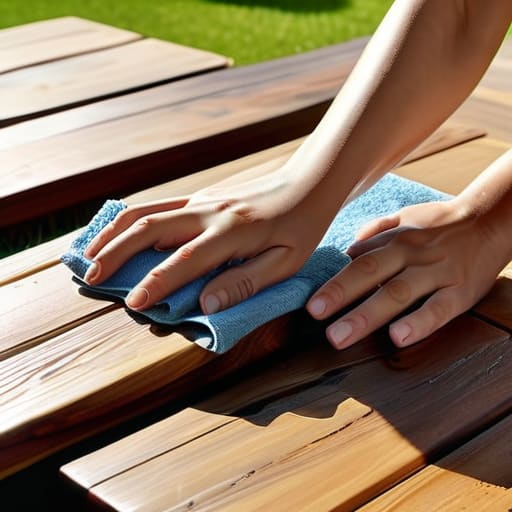
You can’t just shove everything into the shed the moment the first frost hits. I’ve spent enough time inspecting damp-damaged timber to know that leaving a layer of pollen or bird lime on your chairs is an invitation for trouble. The best way to clean furniture before storage is to treat it like you’re preparing a house for sale; you want it spotless. For the wooden pieces, I usually use a mild solution of washing-up liquid and warm water. If you’re storing wooden patio sets, make sure they are bone-dry before they go under a cover. If you trap moisture against the grain, you’ll find yourself dealing with mould by May.
For the metal bits, things are a bit more delicate. I’ve seen far too many wrought iron sets ruined by a single wet winter because someone neglected the prep work. You really need to focus on preventing rust on metal garden furniture by wiping down every joint and screw with a dry cloth to remove grit. If there’s a bit of surface corrosion, a light sand and a dab of oil can go a long way. It’s a bit of a chore, I know, but it beats buying a whole new set next year.
Protecting Cushions From Moisture So They Dont Rot
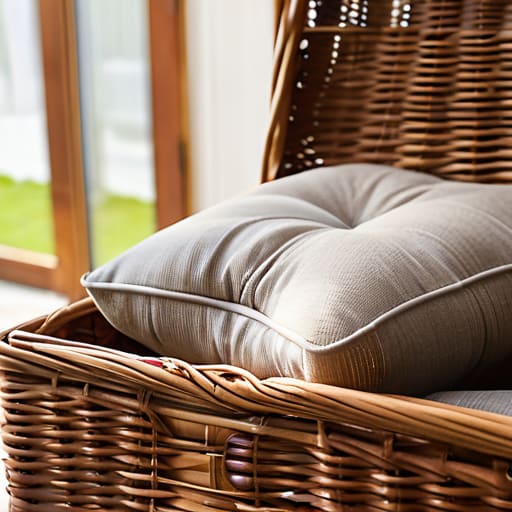
Now, once you’ve got the frames sorted, we need to talk about the cushions. I’ve spent too many autumns looking at mildewed foam that’s seen better days, and frankly, it’s a waste of good money. If you leave them out, even under a cover, they’ll eventually soak up the damp like a sponge. The real trick to protecting cushions from moisture isn’t just about finding a plastic bag; it’s about airflow. If you shove them into a tight, unventilated storage bin, you’re essentially creating a terrarium for mould to thrive in.
I always suggest bringing them inside the house or, at the very least, into a dry garage or shed. If you must keep them outside, invest in a heavy-duty, breathable storage box. Avoid those cheap, thin tarpaulins that trap condensation against the fabric; they do more harm than good. For those of us doing a bit of seasonal garden maintenance, it’s worth remembering that a bit of extra effort now saves you the cost of a whole new set of upholstery in May.
Five ways to make sure you aren't buying new sets come May
- If you’ve got metal chairs, don’t just stack them in the shed; a bit of silicone spray on the joints now prevents that nasty seizing that makes them impossible to move come spring.
- For the wooden sets, I’ve found that a bit of linseed oil applied before they go under cover keeps the grain from cracking when the frost hits the garden.
- Avoid the temptation to shove everything under a cheap plastic tarp that doesn’t breathe, as you’ll just end up with a damp, mouldy mess that smells like a cellar.
- If you’re using heavy-duty covers, make sure they aren’t sitting flush against the fabric of the chairs, or you’ll trap the moisture right where it can do the most damage.
- Don’t leave your lightweight plastic pieces out in the wind; I’ve seen enough a single autumn gale send a dining set tumbling into a hedge where it stays until the council finds it.
A few things to keep in mind before you pack it all away
Don’t just shove everything into the shed; if you stack heavy metal chairs on top of delicate wicker, you’ll be looking at a repair job come May.
If you’re using a plastic cover, make sure it isn’t wrapped tight like a parcel, or you’ll just be trapping the damp inside and cooking the wood.
Always check the legs and joints for any loose bolts now, because trying to tighten a rusted screw in the middle of a February gale is a task no one needs.
A bit of foresight goes a long way
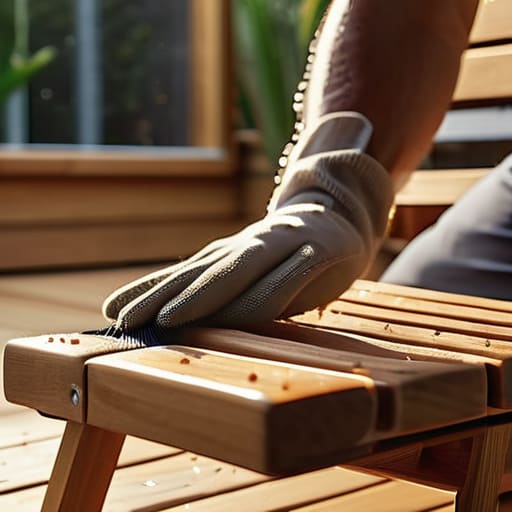
I’ve spent thirty years looking at damp rot in floorboards and timber frames, and I can tell you that moisture is a patient enemy; if you don’t take the time to properly tuck your chairs away this autumn, you’ll be paying a carpenter to fix what a bit of care could have prevented.
Gordon Ellery
A bit of foresight goes a long way
At the end of the day, it all comes down to the basics I’ve mentioned. You can’t just shove everything into the shed and hope for the best. You need to scrub away the summer’s grit, ensure those cushions are bone-dry to prevent the damp from setting in, and find a proper, ventilated spot for the frames. If you take the time to do it right now—even if it’s a bit of a chore on a Tuesday evening—you’ll save yourself the headache and the expense of buying new sets come next May. I’ve seen too many good teak sets ruined by a single season of neglect, and frankly, it’s a waste of good timber.
We spend so much of our lives working to make our gardens a place of peace, so don’t let a bit of laziness undo that effort. There is a particular kind of satisfaction in seeing a tidy, well-kept garden tucked away for the winter, knowing that everything is waiting patiently for the first warm breeze of spring. It isn’t just about protecting wood and fabric; it’s about looking after the little corner of the world you call your own. Do the work now, and you’ll be sitting there in the sun next year, without a single worry about rot or rust.
Frequently Asked Questions
Is it worth buying those expensive plastic covers, or am I better off just pulling a heavy tarp over everything?
Now, I’ve seen plenty of folks throw a heavy blue tarp over their sets, but it’s a bit of a trap. Tarps aren’t breathable; they trap the damp underneath, and you’ll wake up in May to find a layer of mildew where your cushions used to be. If you can afford the proper plastic covers, get them. They’re designed to let the air move. If not, at least prop the tarp up with a crate so air can circulate underneath.
If I have a small shed, should I stack the chairs to save space, or will that squash the frames?
Now, if you’re working with a small shed—and I know many of our local ones are, built back in the seventies and barely big enough for a lawnmower—it’s tempting to stack those chairs to save floor space. Just be careful. If you pile them too high, the weight of the top ones will eventually bow the frames of the bottom ones, especially if they’re metal. Stack them, yes, but keep it low.
What on earth do I do with the metal bits that are already starting to show a bit of rust?
Now, if you’ve spotted those orange spots appearing on your wrought iron or steel frames, don’t just ignore them. I’ve seen enough garden gates seize up over the years to know that rust is a persistent guest. Grab a bit of fine sandpaper or a wire brush and get right down to the metal. Once you’ve scrubbed it smooth, dab on a bit of clear sealant or even some outdoor oil. It’s a ten-minute job now, rather than a replacement job next summer.