I spent thirty years valuing properties from the old flint cottages in the Test Valley to the newer builds in Salisbury, and if there is one thing I’ve learned, it’s that a kitchen is only as good as its utility. I see these glossy magazines claiming that learning how to cook for one requires a pantry full of exotic spices and a dozen tiny, expensive gadgets that sit gathering dust in a corner. It’s absolute nonsense. You don’t need a sous-chef’s arsenal to have a decent meal; you just need to stop treating a single portion like a tragic afterthought or a sad, solitary sandwich.
I’m not going to give you any of that complicated meal-prep nonsense that requires you to spend your entire Sunday standing over a steaming pot. Instead, I’ll share what actually works when you’re just looking to get a proper bit of sustenance without the mountain of washing up. I’ll tell you how to use what you’ve got, how to shop at the local grocer without wasting a penny, and how to make sure your dinner feels like a proper reward at the end of the day.
Table of Contents
- Efficient Grocery Shopping for One Without the Empty Fridge
- Small Batch Cooking Techniques That Actually Taste Like Home
- Five Ways to Keep the Kitchen from Becoming a Battleground
- A Few Final Thoughts Before You Head to the Kitchen
- The Dignity of a Single Plate
- A Final Word from the Kitchen Table
- Frequently Asked Questions
Efficient Grocery Shopping for One Without the Empty Fridge
The trouble with the local supermarket is that they seem to think everyone is hosting a dinner party for twelve. You go in for a single onion and a pint of milk, and suddenly you’re staring at a three-pack of aubergines that will be soft and weeping in the crisper drawer by Wednesday. I’ve found that efficient grocery shopping for one requires a bit of discipline; you have to shop with a mental list of what is already sitting in the back of the pantry. If you’ve got a half-bag of rice from last week, don’t let the “buy one get one free” pasta tempt you into a surplus you can’t manage.
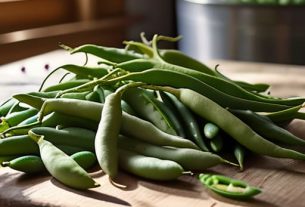
I always tell the youngsters in the parish that it’s better to buy the loose vegetables rather than the pre-packaged bags. It might cost a few pennies more per item, but it is the most effective way of minimizing food waste for one. Pick three carrots, not a kilo. Grab a single potato. It keeps the fridge from becoming a graveyard for forgotten produce, and it keeps your weekly spend from creeping up higher than the local council rates.
Small Batch Cooking Techniques That Actually Taste Like Home
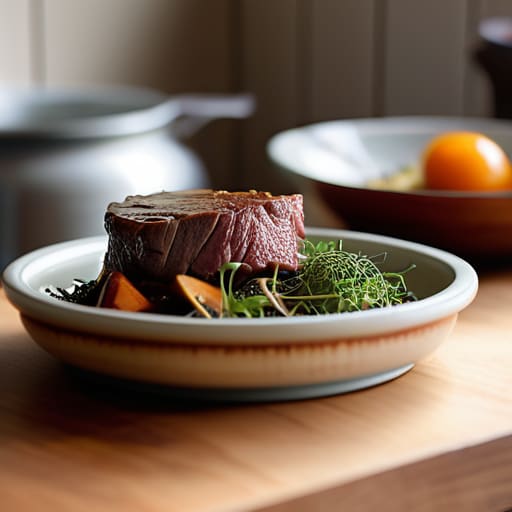
The trouble with most recipes is that they seem to assume you’re feeding a family of four, or at least a very hungry rugby team. When I was surveying properties in the late eighties, I often saw kitchens designed for grand Sunday roasts, but for those of us living solo, those massive pots are more of a hindrance than a help. To make it work, you need to embrace small batch cooking techniques that don’t leave you eating the same lukewarm stew for five consecutive nights. I’ve found that the trick isn’t just making less, but making things that actually hold their flavour when they are reheated.
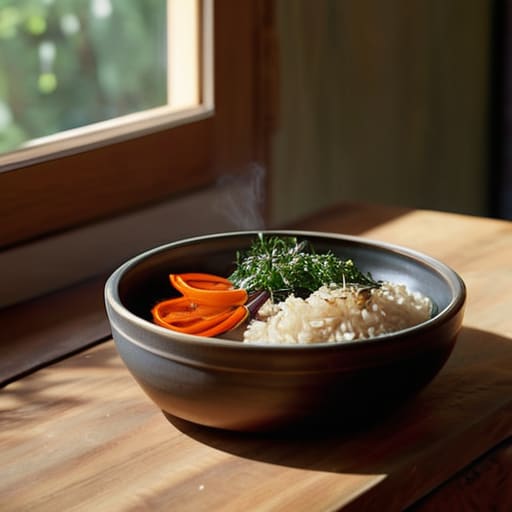
Instead of a massive Sunday prep session that feels like a second job, try thinking in components. Roast a single chicken thigh or a small tray of seasonal vegetables on a Tuesday, and you’ve got the building blocks for a different meal on Wednesday. Using single serving kitchen tools, like a small cast-iron skillet or a proper individual saucepan, makes the process feel much more intentional. It stops the kitchen from feeling like a factory line and keeps the focus on a decent, hot meal that doesn’t require an hour of scrubbing up afterwards.
Five Ways to Keep the Kitchen from Becoming a Battleground
- Invest in a decent set of nesting bowls and smaller pans. Most modern cookware is sized for a family of four, which is why you end up boiling a whole bag of pasta just to get a decent serving; a small, heavy-bottomed saucepan is much more sensible for a single person.
- Learn the art of the “component cook.” Instead of making a massive pot of stew that sits in the fridge for a week, roast a bit of chicken, boil two eggs, and steam some greens on a Sunday. You can mix and match them throughout the week so you aren’t eating the exact same thing every Tuesday.
- Keep a “survival shelf” in the pantry. I’m talking about the essentials that don’t expire: tinned tomatoes, good olive oil, a jar of pesto, and some decent grains. If the weather turns or you’re too tired to wander to the shop, you can still pull together a meal that doesn’t involve a microwave meal.
- Don’t fear the freezer, but use it properly. If you do find yourself making a large batch of something—say, a shepherd’s pie—portion it out into individual containers immediately. If you freeze it in one massive block, you’ll never get to the middle, and it’ll be a wasted effort.
- Master one “signature” simple dish. Whether it’s a proper omelette or a basic pasta aglio e olio, having one reliable, ten-minute meal in your repertoire stops that feeling of defeat when you’re staring into an empty cupboard at 7:00 PM.
A Few Final Thoughts Before You Head to the Kitchen
Don’t let the supermarket aisles intimidate you; buy what you actually need for the week rather than chasing those “buy one get one free” deals that only end up sitting in the back of the larder until they expire.
Keep a few reliable staples—a decent tin of tomatoes, some frozen peas, or a reliable loaf—so that even on a Tuesday night when you haven’t the energy for a proper shop, you aren’t left staring at an empty cupboard.
Remember that cooking for yourself isn’t about being fancy; it’s about making sure that even a single portion is prepared with enough care that it feels like a proper meal rather than an afterthought.
The Dignity of a Single Plate
I’ve spent thirty years looking at floorplans and foundations, but you can tell more about a person’s contentment by how they treat their dinner than by the age of their chimney stack; cooking for one isn’t about making do with leftovers, it’s about making sure that even when the table is set for one, the meal still feels like an event rather than an afterthought.
Gordon Ellery
A Final Word from the Kitchen Table
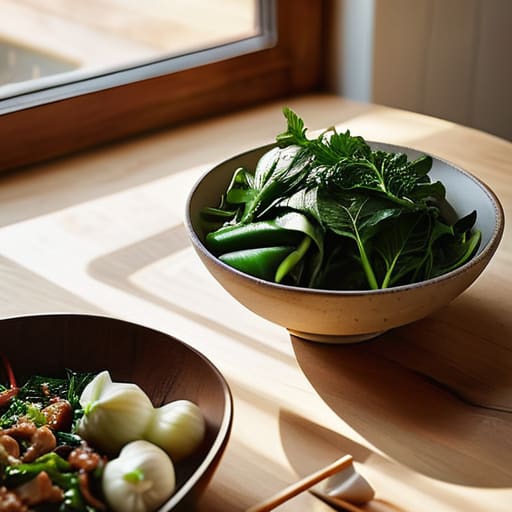
At the end of the day, getting the hang of cooking for yourself isn’t about mastering complex culinary techniques or buying every gadget in the catalogue. It is about the practicalities we have discussed: shopping with a bit of common sense to avoid that pile of wilted spinach in the bottom drawer, and learning to scale down a recipe so you aren’t eating the same stew for six consecutive nights. Whether it is mastering the art of a single-portion stir-fry or simply keeping a few decent staples in the larder, it all comes down to reducing the friction between being hungry and having a proper meal on the table.
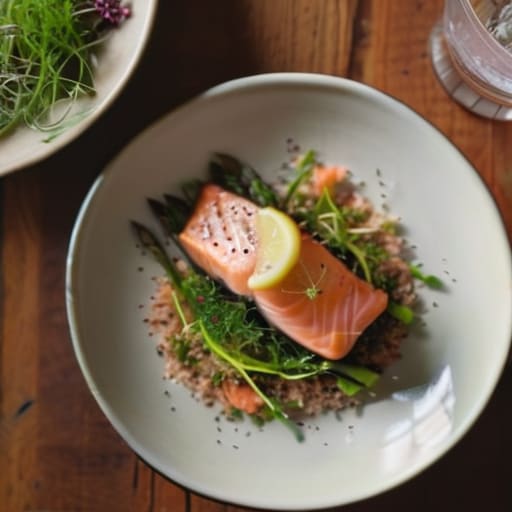
I often think of a well-run kitchen much like a well-maintained cottage; it doesn’t need to be grand, it just needs to be functional and cared for. There is a certain quiet dignity in being able to look after yourself, even when the house is quiet and the tea is just for one. Don’t look at a solo meal as a compromise or a sign of something missing. Instead, see it as an opportunity to treat yourself well with exactly what you like, without having to please anyone else. After all, if you can’t enjoy a bit of well-cooked salmon in your own kitchen, you aren’t really making yourself at home.
Frequently Asked Questions
How do I stop my vegetables from turning into a science experiment in the bottom of the crisper drawer?
The trick is to stop treating the crisper drawer like a graveyard for forgotten produce. I’ve seen enough wilted spinach to last a lifetime. Buy what you actually need for the week—don’t be swayed by those massive “family size” deals at the supermarket. Keep your greens in a reusable container with a bit of paper towel to soak up the damp, and if you see a cucumber looking a bit soft, chop it up for a salad immediately.
Is it actually worth buying the larger packs of meat if I'm only cooking for myself?
It’s a bit of a gamble, isn’t it? If you’re looking at a large pack of sausages or a family-sized tray of mince, you have to be disciplined. I’ve seen too many people buy the bulk deal to save a few pence, only to watch it turn grey and unappealing in the bottom of the fridge by Thursday. Buy the larger pack only if you’ve got a plan to portion it out and freeze it immediately. Otherwise, stick to the smaller packs; the slightly higher unit price is worth it if you aren’t throwing money in the bin.
What's the best way to freeze portions so they don't end up as hard, flavourless blocks of ice?
The trick is to avoid the “big tub” mistake. If you freeze a massive pot of stew, you’ll end up with a brick that takes hours to thaw. Instead, use small, single-use containers or even sturdy freezer bags. Flatten the bags out—like a pancake—so they stack neatly and defrost in a bowl of lukewarm water in twenty minutes. It keeps the texture right and saves you from a very long wait for dinner.