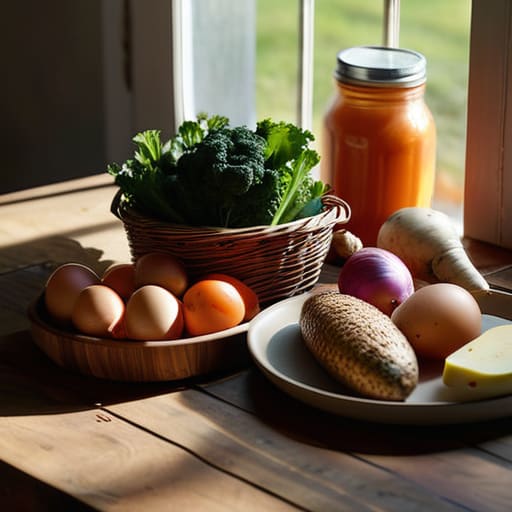
I was standing in the aisle of the Co-op in Upper Slaughter last Tuesday, watching a young man stare at a punnet of organic raspberries as if they were gold bullion, when it hit me. We’ve been sold a lie that eating properly requires a specialist’s degree and a heavy wallet, but that’s just nonsense cooked up by people who don’t have to balance a real household ledger. If you spend your whole Saturday hunting for “superfood” powders or artisanal grains that cost more than a decent bag of cement, you aren’t doing it right. Learning how to eat well on a budget isn’t about deprivation or following some fancy trend; it’s about knowing which staples actually do the heavy lifting in a kitchen.
I’m not going to give you a list of miracle ingredients or tell you to shop at places that require a long drive and a high petrol bill. Instead, I’m going to share what I’ve learned from years of watching how real people—my neighbours, my friends, and even my own family—manage to keep a properly nourished table without breaking the bank. I’ll show you how to spot the value in the basics and where to find the real deals, because good food should be accessible, not a luxury reserved for those with a windfall.
Table of Contents
- Mastering Grocery Shopping on a Budget Without Sacrificing Quality
- The Hard Truth About Nutritious Low Cost Foods
- Five Practical Ways to Keep the Kitchen Running Without Breaking the Bank
- A few things to remember before you head to the checkout
- ## The Value of a Full Cupboard
- A Final Word from the Kitchen Table
- Frequently Asked Questions
Mastering Grocery Shopping on a Budget Without Sacrificing Quality
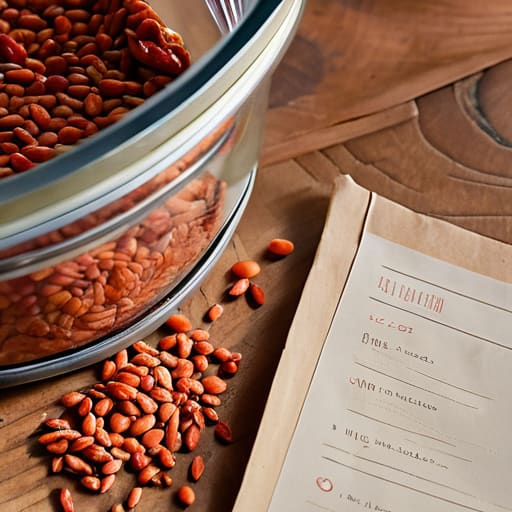
I’ve spent many a Tuesday afternoon navigating the aisles of the local Co-op and the larger supermarkets in Salisbury, and I’ve learned that the secret isn’t in the coupons, but in the planning. If you wander in without a list, you’ll find yourself reaching for expensive, pre-packaged bits that do nothing but clutter the cupboard. I always tell people to focus on pantry staples for healthy cooking—things like dried lentils, oats, and tins of tomatoes. These don’t expire the moment you look away, and they form the backbone of a decent meal when the fridge looks a bit thin.
It also helps to keep an eye on the calendar. I’ve found that leaning into the seasonal produce benefits can save a considerable amount; there is no sense paying top whack for strawberries in November when they’ve travelled halfway across the world to get to us. If you can manage a bit of minimizing food waste by freezing what you can’t use immediately, you’ll find your weekly spend settles much more comfortably. It isn’t about deprivation; it’s just about being sensible with what we buy.
The Hard Truth About Nutritious Low Cost Foods
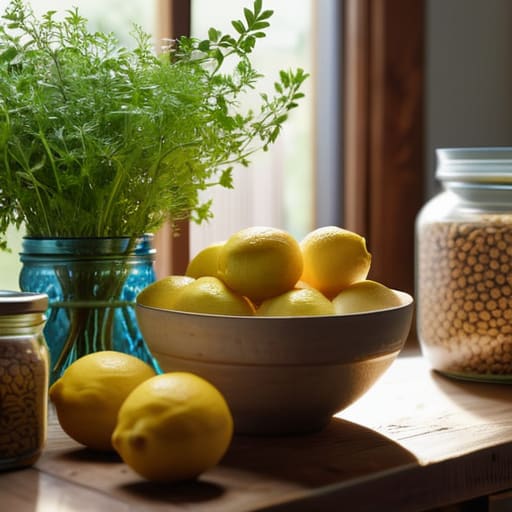
The trouble with most modern advice is that it makes healthy eating sound like a luxury reserved for those with a hefty pension or a private chef. They point you toward exotic superfoods that cost a king’s ransom and expire before you’ve even sliced them. The reality is far less glamorous. If you want to find truly nutritious low cost foods, you have to stop looking at the fancy end of the aisle and start looking at the basics. I’m talking about things like lentils, oats, and tinned fish—items that don’t require a degree in nutrition to understand, just a bit of common sense.
It often comes down to the sheer utility of your cupboards. I’ve always maintained that a well-stocked larder is the best defence against a rising cost of living. By keeping a few reliable pantry staples for healthy cooking on hand, like dried beans or brown rice, you aren’t just saving money; you’re ensuring you won’t be forced into a takeaway when the fridge looks thin. It isn’t about deprivation; it’s about building a foundation that actually sustains you.
Five Practical Ways to Keep the Kitchen Running Without Breaking the Bank
- Learn the rhythm of your local shops. I’ve noticed that the smaller independent grocers near the high street often mark down their perishables—the bread, the milk, the greens—on a Tuesday or Wednesday afternoon. If you can time your visit then, you’ll find things that are perfectly fine for a stew but would otherwise be tossed.
- Embrace the humble tin and the frozen bag. There is a certain pride in a well-stocked pantry, and I don’t mean the expensive sort. A bag of frozen peas or a tin of lentils costs next to nothing and, unlike the fresh stuff that wilts in the crisper drawer after three days, they stay exactly as they are until you need them.
- Stop buying the “convenience” versions of things. I spent years looking at floor plans, and I know that a house is only as good as its foundation; food is much the same. A block of cheddar is cheaper than the pre-grated stuff, and a whole chicken will always serve you better than those plastic trays of pre-cooked slices.
- Cook in batches, not in bursts. When I’m working on a dry stone wall, I don’t stop every twenty minutes for a snack; I work through. Cooking a large pot of lentil dahl or a hearty vegetable soup on a Sunday means you aren’t reaching for the expensive takeaway when you’re tired on a Wednesday evening.
- Use what you already have before you buy more. It sounds simple, but I see people at the village shop buying a new jar of spices when they already have three half-empty ones gathering dust in the back of the cupboard. Check the back of the shelf first; you might find you’ve already paid for your dinner.
A few things to remember before you head to the checkout
Stick to the basics—potatoes, oats, and seasonal veg—because you can’t build a decent meal on fancy packaging and empty promises.
Don’t let the supermarket layout trick you; if you stay away from the middle aisles and stick to the perimeter, your wallet will feel the difference.
Planning isn’t about being fussy, it’s about knowing exactly what you need so you aren’t standing in the aisle at 5:30 PM wondering why you’ve spent twenty pounds on things you won’t eat.
## The Value of a Full Cupboard
“I’ve spent thirty years looking at the bones of houses, but you can’t live in a structure alone; you need the substance inside. Eating well isn’t about those fancy, overpriced health shops in the city—it’s about knowing that a bag of lentils and a bit of seasonal cabbage will do more for your constitution than a pre-packaged salad that costs more than a litre of petrol.”
Gordon Ellery
A Final Word from the Kitchen Table
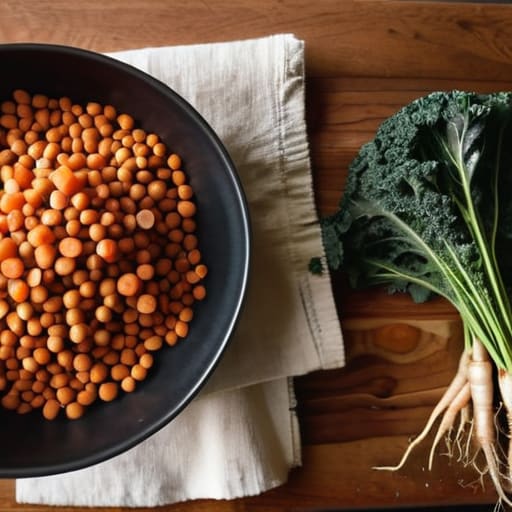
At the end of the day, eating well on a budget isn’t about some complicated nutritional theory you’ve read in a glossy magazine; it’s about the practicalities we face every Tuesday afternoon at the checkout. We’ve talked about the necessity of planning your trips to avoid those impulse buys, the importance of leaning on seasonal staples like root vegetables, and why those “bargain” processed foods often end up costing you more in the long run. It comes down to knowing your local shop, checking the dates, and understanding that real value isn’t found in a flashy label, but in the quality of the ingredients that actually sustain you.
I know it feels like a steep climb when the prices at the local Co-op or the supermarket keep creeping up, but don’t let it discourage you. A well-stocked pantry and a bit of foresight can go much further than a large paycheck ever could. It’s a bit like restoring an old dry stone wall; you don’t do it all in one afternoon, and you certainly don’t do it with expensive, modern shortcuts. You do it stone by stone, with patience and a bit of common sense. If you take it one meal at a time, you’ll find that living well doesn’t require a fortune, just a little bit of steady discipline.
Frequently Asked Questions
Is it actually possible to get enough protein on a budget without relying entirely on those processed meat substitutes that taste like cardboard?
It certainly is, though you won’t find the answer in the fancy aisles of the organic deli. I’ve found that the most reliable protein comes from the basics: dried lentils, chickpeas, and eggs. A dozen eggs from the local farm shop often costs less per gram of protein than those processed meat alternatives that have more salt than substance. If you lean on beans and pulses, you’ll find you’re well-fed without the cardboard aftertaste.
How do I manage the waste when buying in bulk, especially when I live alone or just as a couple?
The trouble with those big sacks of rice or five-kilo bags of flour is they sit in the pantry until they’ve gone stale or, worse, damp. If it’s just the two of you, I suggest investing in a few decent airtight glass jars—the heavy ones, not the flimsy plastic. I’ve found that portioning out a bulk buy into smaller, sealed containers keeps the moths away and stops you from overreaching when you’re just looking for a quick mid-week supper.
Are the local greengrocers actually cheaper than the big supermarkets, or am I just paying for the charm?
I’ve walked the aisles of the big supermarkets and I’ve stood at the stalls in our local market. To be blunt: if you’re buying pre-cut fruit or fancy punnets, the supermarket wins on price every time. But if you’re buying seasonal staples—potatoes, onions, or whatever is in season—the greengrocer often beats them, especially if you avoid the “convenience” trap. You aren’t just paying for charm; you’re paying for freshness that actually lasts longer in the cupboard.