
I was out near the old mill stone wall last Tuesday—the one that dates back to the mid-1840s, before the railway changed everything—when I found myself sitting there in a silence so thick you could almost lean against it. It wasn’t the peaceful kind of quiet you get after a heavy snowfall; it was that hollow, nagging sort of isolation that makes you wonder if anyone would notice if you simply stopped showing up to the Tuesday morning post office run. People love to spout nonsense about “mindfulness retreats” or expensive hobbies when they start wondering how to deal with loneliness, but frankly, most of that is just expensive distraction.
I’m not here to sell you a lifestyle change or a new app that promises to connect you to the world through a glass screen. I’ve spent thirty years valuing properties and walking these lanes, and I know that real connection is found in the small, unglamorous things: a shared nod over a garden fence or the regularity of a local coffee morning. In this piece, I’m going to share what I’ve learned about finding your footing again, using nothing but plain, honest experience and the kind of practical steps that actually work in a real village.
Table of Contents
Mental Health and Solitude When the Walls Feel Too Close
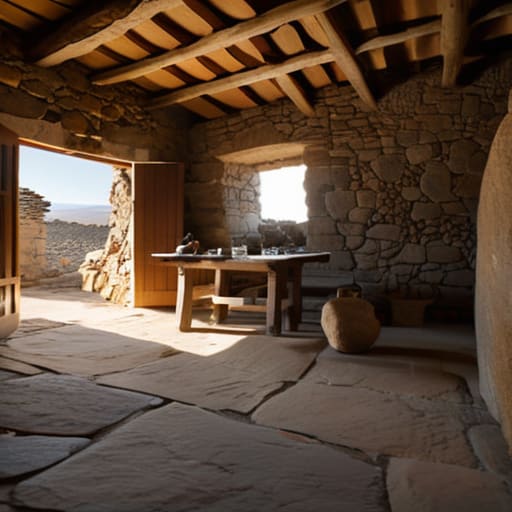
There is a particular kind of silence that settles in a house when you’ve been by yourself for too long. I remember a cottage near Seven Sisters, built around 1840, where the stone walls were so thick they seemed to swallow every sound. When you are alone in a place like that, the quiet stops being peaceful and starts feeling heavy. It is the difference between enjoying your own company and feeling trapped by it. This is where the line between healthy solitude and a struggle with mental health and solitude becomes quite thin.
If you find the walls are starting to feel a bit too close, it isn’t a sign of weakness, but a sign that your internal compass needs a recalibration. I’ve found that the best coping mechanisms for isolation aren’t found in a book, but in small, outward movements. It might be as simple as walking down to the post office or joining the parish council meeting—even if you just sit in the back and listen. You don’t need to be the life of the party; you just need to remind yourself that the world is still spinning outside your front door.
Coping Mechanisms for Isolation in a Quiet House

When the silence in a house gets a bit too heavy—the kind of silence you only notice when the clock in the hallway seems to be ticking louder than usual—you have to find ways to fill the gaps. I’ve found that the best coping mechanisms for isolation aren’t found in a self-help book, but in the small, repetitive tasks that ground you. For me, it’s the garden. There is something about the physical act of clearing a flowerbed or mending a loose stone in a wall that makes the world feel solid again. It isn’t about being productive; it’s about reclaiming your sense of place when the four walls start feeling a bit too narrow.
If the house feels emptier than it should, the answer often lies just beyond the gate. You don’t need to join a massive club or stand on a stage; sometimes, just showing up to the local coffee morning or the parish council meeting is enough. These small acts of community engagement activities act like a bit of structural reinforcement for your mood. It’s about those tiny, unplanned interactions—a nod to the postman or a three-minute chat about the weather at the village shop—that keep the edges of your world from fraying.
Five Ways to Find Your Way Back to the Fold
- Get out of the house, even if it’s just to the corner shop. I’ve found that a walk down the lane—the one past the old mill that was rebuilt in 1894, mind you—does more for the head than sitting in a chair staring at a screen. Even a brief nod to the postman can break that heavy silence.
- Find a local group that actually does something. I’m not talking about those formal committees that spend three hours arguing about hedge heights; I mean something practical, like the gardening club or the parish repair group. Having a task to focus on makes the conversation come easier.
- Volunteer for something small and local. The village hall needs help with the summer fete, and the library is always short a hand. It isn’t just about being useful—though being useful is a fine thing—it’s about being part of the machinery that keeps a place running.
- Don’t wait for an invitation that isn’t coming. If you see a neighbour out checking their roses, ask them how they’re getting on. Most people are sitting behind their own front doors feeling just as isolated, waiting for someone else to make the first move.
- Keep a regular rhythm. Loneliness thrives when the days bleed into one another without any markers. Whether it’s the Tuesday morning coffee at the bakery or a Sunday walk through the woods, having a set time to be “out and about” gives the week a bit of a backbone.
A few things to keep in mind
Don’t wait for an invitation to be part of things; if the village hall has a coffee morning or the local group is meeting, just show up. Most people are just as nervous as you are, and a bit of small talk about the weather is often enough to break the ice.
Small, regular rhythms matter more than grand gestures. Whether it’s walking the same stretch of lane every Tuesday morning or popping into the post office at the same time, these little habits put you in the path of others and make the world feel a bit smaller and more manageable.
Look after your surroundings as much as yourself. If you spend too much time staring at the same four walls, they start to feel like they’re closing in; keeping a window open or tending to a small patch of garden can remind you that there is a world moving outside your front door.
## The Difference Between Being Alone and Being Isolated
Loneliness isn’t a structural defect in a house, but it can start to feel like one when the only thing you hear all day is the ticking of the grandfather clock in the hallway. You don’t fix it by building higher walls or buying more gadgets; you fix it by finding a reason to step out of the front door, even if it’s just to walk the thirty yards to the post box and exchange a few words about the weather with someone who actually looks you in the eye.
Gordon Ellery
A Final Word from the Gate
We have covered a fair bit of ground, from the way a house can feel a bit too large when the silence sets in, to those practical ways of keeping your head above water when the isolation starts to feel heavy. Whether it is finding a rhythm in your daily routine or making sure you reach out to the local parish group before the isolation takes root, the aim is the same: to keep the foundations of your wellbeing solid. It isn’t about finding a grand solution that fixes everything overnight, but rather about making small, steady repairs to the way you connect with the world around you. Just as a dry stone wall needs each pebble placed with intention to stay standing, managing loneliness is a matter of small, consistent efforts.
If I have learned anything from thirty years of looking at properties and sitting in drafty village halls, it is that no house—and no person—is an island. We are all part of a much larger structure, even if we don’t always feel it through the brick and mortar. Don’t be afraid to lean on your neighbours or even just to strike up a conversation with the postman; those tiny threads of connection are what keep us tethered. It might feel a bit daunting to reach out, but remember that community is built one doorstep at a time. Keep your chin up, keep your windows bright, and never underestimate the value of a simple, shared moment.
Frequently Asked Questions
Is there a difference between just wanting a bit of peace and actually being lonely?
There’s a world of difference. I’ve spent many a Sunday afternoon alone in my garden, and that’s peace—the kind where the silence feels sturdy, like a well-built flint wall. But loneliness is different. It’s a hollow sort of quiet, the kind that sets in when you realize you’ve gone three days without hearing a voice other than the postman’s. One is a choice; the other is a weight.
How do you start talking to people again if you've been shut in for a while?
It’s a bit like trying to restart an old engine that’s been sitting in a damp garage since 1984; you can’t just turn the key and expect it to purr. Start small. Don’t aim for a three-course dinner party. Just walk down to the post office or the village shop. A nod to the clerk or a brief word about the weather is enough. You’re just greasing the gears. Once that’s done, the rest follows.
Are there any local groups or clubs that aren't just for the youngsters?
You’ll find plenty if you know where to look, though they don’t always advertise on the main street. The Parish Council meets every third Tuesday at the Village Hall—it’s a bit dry, but the tea is decent and the company is steady. There’s also the Men’s Shed over by the old mill; it’s more about fixing things than talking, but it’s good to be around people. I’ll check the noticeboard at the post office tomorrow.