
I saw a glossy magazine in the waiting room last week suggesting that the secret to a vibrant life is joining an expensive, high-end golf club or embarking on a luxury cruise around the Mediterranean. It’s absolute nonsense. If you’re looking for a manual on how to stay social after retirement that involves a membership fee higher than my first car, you’ve come to the wrong place. Real connection isn’t something you buy with a credit card; it’s found in the unplanned moments, like leaning over a garden fence to discuss why the hydrangeas are struggling or standing at the post office counter for twenty minutes because the conversation with the clerk is better than the telly.
I’m not here to sell you a lifestyle; I’m here to tell you what actually works in a real village. Over the next few pages, I’ll be sharing the practical, no-nonsense ways I’ve kept my feet on the ground and my social circle intact. We’ll talk about the value of local clubs, the importance of showing up to things—even when you’d rather stay in your slippers—and why a bit of community service is better for the soul than any holiday package.
Table of Contents
- Finding Community in Retirement Beyond the Garden Fence
- Overcoming Post Retirement Social Anxiety One Hello at a Time
- Five ways to actually get out of the house and meet people
- A Few Bits of Advice Before You Close the Page
- ## The Value of a Proper Connection
- A Final Word from the Veranda
- Frequently Asked Questions
Finding Community in Retirement Beyond the Garden Fence
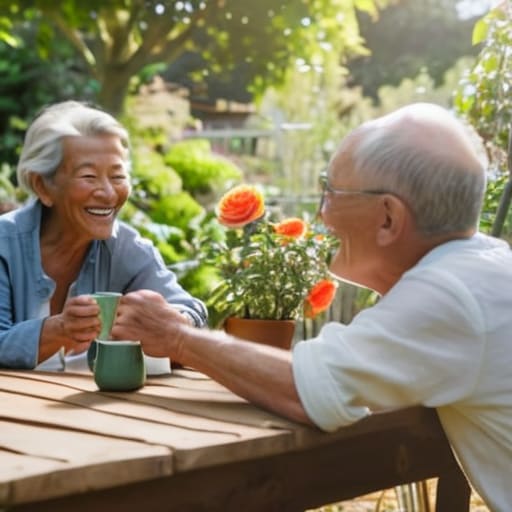
Now, I know what some of you are thinking. You’ve spent forty years in an office or on a building site, and suddenly the silence of a Tuesday morning is deafening. It’s easy to let the garden fence become your entire world, but I’ll tell you from experience: a well-tended rosebush is fine, but it won’t talk back to you when you need a bit of a laugh. If you find yourself retreating, don’t let it become a habit. Finding community in retirement isn’t about joining some grand, sweeping movement; it’s about showing up where the action is.
I’ve seen many a man struggle with overcoming post-retirement social anxiety, feeling a bit like a fish out of water when they walk into a room of strangers. My advice? Look for something with a purpose. Whether it’s helping out at the parish hall or looking into local volunteer opportunities for seniors, having a job to do takes the pressure off the small talk. When you’re busy fixing a loose floorboard or sorting the charity bake sale, the conversation tends to follow naturally. It’s much easier to make a friend when you’re both focused on a task rather than just staring at each other over a lukewarm cup of tea.
Overcoming Post Retirement Social Anxiety One Hello at a Time

It’s a bit like walking into a room where you don’t know the layout; you find yourself hovering near the door, unsure of where the light switches are. I remember when I first retired, I felt a strange sort of hesitation before stepping into the village hall for the Tuesday coffee morning. After thirty years of being “Mr. Ellery the Surveyor,” suddenly being just another face in the crowd felt daunting. Overcoming post-retirement social anxiety isn’t about becoming the life of the party; it’s simply about showing up. You don’t need to lead the conversation; you just need to be present.
If the thought of a large group makes your stomach knot, I suggest starting small. Look for hobbies for making new friends that have a specific task attached to them. For me, it was joining the parish hedge-laying group. It’s much easier to talk to someone when you are both focused on a piece of willow or a stubborn stone rather than staring at each other across a table. When you have a job to do, the conversation tends to flow naturally, and you’ll find that finding community in retirement often happens in the quiet moments between tasks.
Five ways to actually get out of the house and meet people
- Join a local group that actually does something. I’m not talking about sitting in a circle discussing how much things cost; I mean something with a purpose, like the parish council or the village allotment committee. Even if you’re just there to help clear the brambles, you’ll find you’ve had more of a chat than you expected by the time the tea is brewed.
- Use the local shops for more than just a quick transaction. If you’re heading to the post office or the village store, don’t just head for the exit. It takes five minutes of standing by the milk fridge to find out that Mrs. Higgins’ grandson is back from university or that the cricket club is looking for a new scorer.
- Volunteer for the small, unglamorous jobs. Every village has a task that everyone grumbles about but nobody does—whether it’s tidying the churchyard or helping with the annual fête. I’ve found that the people who show up to do the heavy lifting are usually the ones worth knowing.
- Sign up for a class that isn’t about your old career. If you spent forty years looking at blueprints, don’t go to a lecture on architecture. Try the pottery workshop in the village hall or the local walking group. It’s much easier to talk to a stranger when you’re both struggling to get a lump of clay to behave.
- Be the person who initiates the small things. If you see a neighbour out weeding or checking their mail, don’t just nod and keep walking. Stop. Ask them how their week’s been. It feels a bit awkward for the first ten seconds, but that’s how most decent friendships in this parish started.
A Few Bits of Advice Before You Close the Page
Don’t wait for an invitation to arrive in the post; most people are just as shy as you are, so be the one to suggest a walk or a coffee at the village shop.
Pick something that actually requires you to show up, whether it’s the parish council meeting or the local gardening club, because consistency is how you turn a stranger into a neighbour.
Keep your eyes open for the small opportunities, like helping someone with their bins or joining the local walking group, because it’s the regular, small interactions that stop the house from feeling too quiet.
## The Value of a Proper Connection
Retirement isn’t about finding a hobby to pass the time; it’s about finding the people you’ll want to complain about the weather with for the next twenty years. You can spend all day polishing a silver spoon in isolation, but it won’t mean a thing if there’s nobody at the end of the table to share it with.
Gordon Ellery
A Final Word from the Veranda
If you take nothing else from my ramblings, remember that staying connected isn’t about joining a formal club or signing up for a structured course that feels like more work. It is about the small, consistent things: showing up at the village hall on a Tuesday, offering to help with the parish council’s next little project, or simply making the effort to walk down to the post office instead of ordering everything online. We have talked about pushing through that initial bit of awkwardness and finding your feet in new circles, but the real secret is that connection is built in the margins. It is found in the unplanned chats over a garden gate or the shared frustration of a delayed bus. You don’t need a grand plan; you just need to keep showing up.
I spent thirty years looking at the bones of houses, assessing their foundations and their rooflines, and I can tell you this: a house is just a shell until people live in it. Retirement is much the same. It is a vast, open space that can feel a bit hollow if you let it, but it is also an opportunity to build a new foundation on your own terms. Don’t let the quiet become a permanent fixture of your life. Step out of the house, walk the lane, and engage with the world around you. You might find that the best part of this chapter isn’t the rest, but the people you meet while you’re busy doing nothing at all.
Frequently Asked Questions
What if I’ve lived in the same village for twenty years and still don't actually know my neighbours' names?
Don’t beat yourself up. I’ve lived in this same stretch of Wiltshire for twenty years and I still had to ask Mrs. Higgins for her name last Tuesday. It isn’t about being a hermit; it’s just life getting in the way. The trick isn’t a grand gesture. It’s just catching them while they’re taking the bins out or nodding when you pass the post box. Small talk is the foundation of a good neighbourhood.
Is it worth joining those formal clubs, or should I just stick to the more casual gatherings at the local pub?
It depends on what you’re after, really. If you want a bit of structure—say, a bridge club or the history society—then sign up; it gives you a reason to get out of the house on a Tuesday. But if you’re just looking for a bit of banter, don’t overthink it. The pub is fine, provided you actually talk to people and don’t just hide behind a pint of bitter.
How do I find activities that don't feel like they were designed specifically for people twice my age?
The trick is to stop looking for “senior activities” and start looking for skills. If you head to a club specifically for retirees, you’ll likely find yourself stuck in a room of beige cardigans. Instead, look for the local woodworking guild or the community allotment. I spent last Saturday helping the parish council fix a stone boundary—not because it was a “hobby group,” but because the wall was falling down. Seek the work, not the socialising.