Last Tuesday, I found myself standing in the middle of the village hall, staring at a tangled heap of HDMI cables and a projector that looked like it had been manufactured during the Thatcher administration. Most people think a successful community cinema setup requires a massive budget or a professional technician from Winchester, but they’ve got it entirely wrong. The truth is, you don’t need a state-of-the-art digital suite to get people through the door; you just need enough comfortable chairs and a screen that doesn’t wobble every time a heavy lorry passes by on the A303. It’s about creating a space where the sound is clear enough to hear the dialogue, but the atmosphere feels like home.
I’ve spent the last few weeks testing different layouts and gear in various draughty halls around the county, and I’ve learned exactly what works and what is a total waste of your parish council funds. In this guide, I’ll walk you through the practicalities of getting your community cinema setup off the ground without breaking the bank. We’ll cover everything from finding the right light to the simple logistics of seating, ensuring your first screening is a triumph rather than a technical headache.
Table of Contents
- Step-by-Step Instructions
- The Real Projector and Sound System Requirements
- Outdoor Cinema Equipment Checklist for Real Spaces
- Five things they won't tell you in the instruction manual
- A Few Final Thoughts Before You Start
- ## The Heart of the Matter
- A Final Word on the Big Picture
- Frequently Asked Questions
Guide Overview
Tools & Supplies
- Laptop or media player to run the film
- Sound mixer or AV receiver to manage audio levels
- Measuring tape to determine projector throw distance
- Projector with high lumen output (1 unit)
- Large projector screen or white sheet (1 unit)
- External speakers or PA system (1 set)
- Extension cords and power strips (3-4 units)
- HDMI or AV cables (2-3 units)
Step-by-Step Instructions
- 1. First, you need to decide on a venue that won’t leave everyone’s feet aching or their ears ringing. I’ve seen folks try to host these things in drafty village halls that haven’t seen a lick of maintenance since the mid-seventies, and it’s a recipe for a cold, miserable evening. You want somewhere with level flooring and, more importantly, a decent electrical circuit that won’t trip the moment you plug in the projector. The parish hall near the old mill is usually my first thought, provided the committee has actually checked the fuse box lately.
- 2. Don’t go thinking you need a setup that rivals the multiplex in Basingstoke. You really only need three things: a decent projector, a large screen, and a sound system that doesn’t sound like a tin can on a string. If you’re on a tight budget, a simple white sheet pulled taut across a sturdy frame can work, but I’ve found that properly tensioned screens make a world of difference to the image quality. As for sound, make sure you have enough speakers to cover the back row, or those folks will be sitting in silence while the front row gets deafened.
- 3. Lighting is the next hurdle, and it’s more about what you don’t have than what you do. You’ll need a way to make the room properly dark, which means checking that the window coverings are thick enough to block out the streetlights. I once saw a setup in a converted barn where the moonlight was so bright you could practically read the newsprint on the screen. Invest in some heavy-duty blackout curtains or even just some thick felt; it keeps the atmosphere right and ensures nobody misses the subtle bits of the film.
- 4. Seating is where most people get a bit lazy, and it’s a mistake I’ve seen made time and again. You can’t just throw a few mismatched kitchen chairs in a room and call it a day; people’s backs will be paying for it the next morning. A mix of folding chairs, some old armchairs donated by the local collectors, and perhaps a few blankets for those who get a chill is the way to go. Just ensure there is a clear aisle between the rows; I’ve spent enough time navigating narrow lanes to know that you don’t want anyone tripping in the dark.
- 5. You must have a plan for the refreshments, or you haven’t really planned anything at all. A community cinema is as much about the tea and biscuits as it is about the film. Set up a station at the back of the room—away from the cables, mind you—with a reliable kettle and perhaps some local cakes from the bakery. If you’re feeling ambitious, a popcorn machine is a grand addition, but keep it simple and tidy to avoid a sticky mess on the hall’s linoleum.
- 6. Finally, you need to sort out the technical run-through before the first guest arrives. There is nothing quite as soul-destroying as forty people sitting in silence while you fiddle with a HDMI cable or a temperamental laptop. Arrive at least an hour early to test the playback, check the volume levels, and make sure the subtitles are actually legible. It’s better to spend an extra twenty minutes troubleshooting the tech in private than to have the whole village watching you struggle in the dark.
The Real Projector and Sound System Requirements
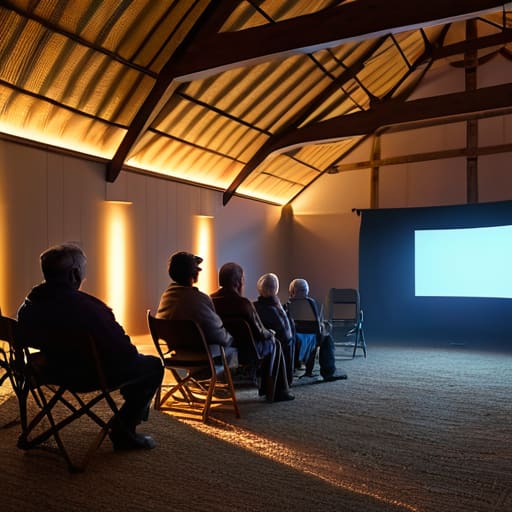
Now, don’t let the tech shops talk you into buying something that’s more flash than substance. When you’re looking at projector and sound system requirements, remember that we aren’t trying to build a multiplex in a converted barn; we’re trying to make sure Old Arthur in the back row can actually hear the dialogue. I’ve seen plenty of committees blow their entire budget on a high-end lens, only to realise they’ve forgotten a decent set of powered speakers. If you’re planning to host this in the village hall or out on the green, you need reliable, loud, and clear audio that can compete with the evening breeze.
It’s also worth keeping an eye on the practicalities of your outdoor cinema equipment checklist if you’re heading outside. If you’re setting up on the grass near the old mill, you’ll need more than just a screen; you’ll need heavy-duty stakes and a way to keep the cables from becoming a tripping hazard for anyone coming back from the pub. I’ve always found that investing in sturdy, weather-resistant gear saves you more headaches than a cheap kit ever will. It’s better to have a slightly dimmer picture than a screen that blows halfway through the second act.
Outdoor Cinema Equipment Checklist for Real Spaces
When you move from the living room to the village green, the variables change quite a bit. You can’t just plug a cable into a wall and hope for the best. My own outdoor cinema equipment checklist usually starts with power, not pictures. I’ve seen more community screenings ruined by a tripped fuse or a dodgy extension lead than by a dim bulb. You’ll need heavy-duty, weatherproof cabling—the kind that won’t turn into a tripping hazard when the evening dew sets in. I’d also suggest a few sturdy weights for your screen; if you’ve ever stood in a Hampshire field during a July breeze, you’ll know that a screen can act an awful lot like a sail if it isn’t anchored properly.
Don’t forget the people, either. Planning your community event seating arrangements is just as vital as the tech. If you’re using the church hall lawn, remember that the ground isn’t always level. I always tell folks to suggest a mix of folding chairs and picnic blankets, but keep a clear, flat path for anyone with a walker or a pram. It’s about making sure everyone can actually get to their spot without a struggle.
Five things they won't tell you in the instruction manual
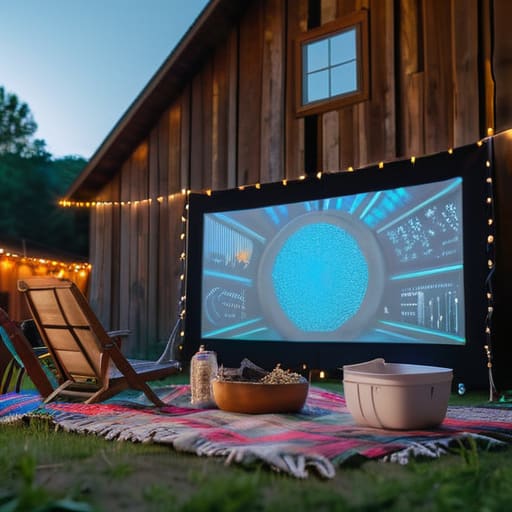
- Watch your power supply. I once saw a committee try to run a full sound system and a popcorn machine off a single extension lead from the village hall porch; they tripped the fuse before the first film even started. If you’re outdoors, make sure you’ve got a heavy-duty reel that can handle the draw, or you’ll spend more time resetting breakers than watching the screen.
- Don’t ignore the seating logistics. People think they’ll just bring camping chairs, but after forty minutes of sitting on damp grass near the bottom of the lane, they’ll be heading home. If you’re using the village green, suggest people bring something with a back, or better yet, invest in a few sturdy wooden benches—something that’ll still be standing when we’re all gone.
- Plan for the inevitable weather. I’ve lived in this part of the country long enough to know that a clear sky at 7:00 PM is no guarantee for a 10:00 PM finish. Always have a heavy-duty tarp ready, not just for the equipment, but to keep the audience from trudging home soaked. A bit of cover goes a long way in keeping the community coming back.
- Think about the “quiet” neighbors. If you’re setting up near any of the older cottages—the ones built around 1840 with those thin single-glazed windows—the sound will carry much further than you expect. It’s worth a quick word with the folks next door before you crank up the volume; a bit of politeness prevents a lot of parish council complaints.
- Keep the refreshments simple and local. You don’t need a professional catering unit; a kettle, some decent tea, and perhaps a tray of cakes from the bakery in the village square is plenty. It keeps the overheads low and ensures the money stays within the community, which is the whole point of doing this in the first place.
A Few Final Thoughts Before You Start
Don’t get carried away with the tech; a decent screen and enough chairs to go around will do more for the village than a cinema-grade sound system that nobody can hear over the crickets.
Always check your ground levels and the drainage before setting up outdoors, because there is nothing quite as miserable as a community film night where half the audience is sitting in a puddle.
The equipment is just the excuse to get people together, so focus more on making sure the local shop can supply enough tea and biscuits than you do on the pixel count.
## The Heart of the Matter
“You can spend a fortune on a 4K projector and high-end speakers, but if you haven’t picked a spot where the ground is level and the neighbours won’t mind a bit of chatter after eight o’clock, you haven’t built a cinema—you’ve just bought expensive garden clutter.”
Gordon Ellery
A Final Word on the Big Picture
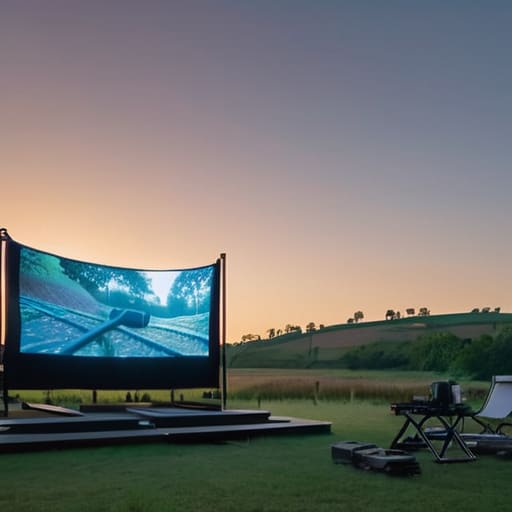
Setting this up is a fair bit of work, and I won’t pretend otherwise. You’ll need to get the lumens right on that projector so you aren’t squinting through the twilight, and you’ll need enough heavy-duty cabling to ensure nobody trips over a wire halfway through a film. It comes down to the basics: a sturdy screen, sound that reaches the back row without rattling the windows of the house next door, and a solid plan for the weather. If you follow the checklists I’ve laid out, you won’t find yourself staring at a blank white sheet while the village waits in silence. It is about the practicalities of the setup ensuring the technology stays in the background where it belongs.
At the end of the day, though, the cables and the lumens are just the plumbing. You don’t build a community cinema because you have a sudden passion for cinematography; you do it because we need more reasons to gather in one place. It’s about that moment when the lights go down and the chatter stops, replaced by a shared silence that connects people who might otherwise only exchange a polite nod over a garden fence. If you put in the effort to get the equipment right, you create a space where the real magic happens—not on the screen, but in the shared experience of being part of something local.
Frequently Asked Questions
How on earth do we stop the neighbours from complaining about the noise once the film gets to the loud bits?
Look, I’ve sat through enough parish council meetings to know that noise is the quickest way to turn a lovely idea into a local feud. If you’re playing a film in the village hall or a garden, don’t just blast it. Aim the speakers away from the nearest bedroom windows, and for heaven’s sake, keep the volume down after nine. A quick, polite note in the newsletter beforehand does wonders; people are much kinder when they aren’t startled.
If we’re setting this up on the village green, who is actually responsible for making sure the ground is level enough so nobody trips in the dark?
Now, that’s a practical question. You won’t find that in a manual. If you’re using the village green, the responsibility usually falls to the Parish Council, as they hold the lease for the land. However, don’t expect them to bring out a grader. It’ll likely be a group of volunteers—perhaps the same lot who maintain the flower beds—with some heavy-duty rakes and a few bags of topsoil. Just make sure you check the surface before the sun goes down.
Is it worth investing in a proper screen, or can we just get away with a white sheet pinned to the side of the old tithe barn?
Now, I’ve seen plenty of well-intentioned setups in the village hall, and I’ll tell you straight: a white sheet is a bit of a gamble. It ripples in the slightest breeze—and we know how much wind comes off the downs on a Friday night—and it drinks up the light like a sponge. If you can afford a proper screen, do it. It makes the difference between a film night and a squinting struggle.