I was standing in the aisle of the Co-op in Andover last Thursday, watching a young man stare at a pre-packaged salad bowl like it held the secrets to the universe, when it hit me how much nonsense we’ve been fed. There is this persistent, expensive myth that learning how to cook on a budget requires a pantry full of exotic spices and a degree in nutritional science. People think they need to shop at those fancy organic boutiques in the city to eat well, but honestly, most of that is just expensive marketing designed to make you feel like you’re missing out.
I’m not here to sell you on some complicated lifestyle trend or a list of “superfoods” that cost more than a decent bag of coal. What I want to do is share what I’ve learned from forty years of practical living: how to make a proper, filling meal out of what’s actually in the cupboard. I’ll show you the straightforward truth about seasonal shopping and the kind of hearty, no-nonsense cooking that keeps a household running without breaking the bank.
Table of Contents
- Mastering Grocery Shopping on a Budget Without the Stress
- The Honest Truth About Bulk Buying Strategies and Value
- Five Ways to Keep the Kitchen Running Without Emptying the Pot
- A Few Bits to Remember Before You Head Out
- ## A Lesson from the Larder
- A Final Look at the Larder
- Frequently Asked Questions
Mastering Grocery Shopping on a Budget Without the Stress
I’ve spent many a Tuesday afternoon standing in the aisles of the local Co-op, checking labels and doing the mental math, because I know exactly what it feels like to make a pound stretch until it snaps. The trick isn’t about deprivation; it’s about knowing your inventory. I always tell people that pantry staple cooking is the real secret to staying afloat. If you have a tin of lentils, a bag of rice, and some dried herbs tucked away in the cupboard, you aren’t one bad week away from an empty plate.
I also find that a bit of foresight goes a long way. I’ve learned that bulk buying strategies work best when you focus on the heavy hitters—things like oats, pasta, or root vegetables that won’t rot if you forget them for a fortnight. It’s much easier to manage the books when you aren’t running to the shop every single evening for a handful of ingredients. If you can master the art of reducing food waste by using those slightly soft carrots in a soup rather than tossing them, you’ll find you’re keeping a fair bit more in your wallet at the end of the month.
The Honest Truth About Bulk Buying Strategies and Value
Now, I’ve seen a lot of folks fall into the trap of thinking that a massive bag of rice or a wholesale crate of tinned tomatoes is an automatic win for the wallet. It isn’t always. I remember a particularly large sack of flour I bought back in ’98—it sat in my scullery for six months, eventually turning into a grey, clumpy mess that ended up in the bin. That is the danger of bulk buying strategies; if you haven’t got the cupboard space or the plan to use it, you aren’t saving money, you’re just storing waste.
The trick, as I’ve learned from years of watching the local pantry go through its cycles, is to stick to the dry goods that actually have a shelf life longer than a damp weekend. Think lentils, pasta, or oats—things that form the backbone of pantry staple cooking. If you buy in bulk, you must have a way to rotate them. It’s about reducing food waste just as much as it is about the initial price per kilo. If you can’t see yourself eating it three times a week, leave the big pack on the shelf.
Five Ways to Keep the Kitchen Running Without Emptying the Pot
- Learn the rhythm of your local shops. I’ve found that if you head down to the butcher or the greengrocer on a Thursday afternoon rather than a Saturday morning, you’ll often find the best deals on things that need using up quickly. It’s about timing the shop to the stock, not the other way around.
- Make peace with the humble legume. Back when I was surveying cottages in the Mendips, I saw many a pantry stocked with nothing but dried lentils, chickpeas, and beans. They cost next to nothing, they keep for years, and if you soak them properly, they’ll fill a pot and feed a family for a fraction of the price of a pack of mince.
- Stop treating your freezer like a graveyard. Most people shove a bag of peas in the back and forget it until it’s a block of ice. I use mine to freeze off the ends of onions, carrots, or even that bit of leftover stew. If it’s in the freezer, it’s money you haven’t thrown in the bin.
- Cook once, eat twice, or thrice. There is no sense in standing over a hot stove every single night. If you’re making a shepherd’s pie on a Tuesday, make a double batch. That extra bit becomes the base for a different meal on Thursday, saving you both time and the cost of extra ingredients.
- Embrace the seasonal cycle. I’ve lived long enough to know that you’ll never get a decent, cheap tomato in February, no matter what the supermarket tells you. Stick to what is growing nearby and in season; it tastes better, and more importantly, it doesn’t carry that “out of season” price tag that makes your eyes water.
A Few Bits to Remember Before You Head Out
Don’t let the bright packaging fool you; the real value is usually found in the bottom shelf or the plain white labels, much like a sturdy cottage with a simple facade is often better than one with too much unnecessary cladding.
Keep a mental note of what’s actually in your larder before you step foot in the shop, because there is no sense in buying a second tin of kidney beans when you’ve already got three hiding behind the flour.
Treat your weekly shop like a surveyor’s site visit—be methodical, stick to your list, and don’t let the impulse buys distract you from the foundation of a sensible budget.
## A Lesson from the Larder
I’ve spent thirty years looking at the structural integrity of houses, but if you want to see the real foundation of a village, don’t look at the flintwork or the thatch; look at how people manage a kitchen when the bills arrive. Cooking on a budget isn’t about deprivation or those fancy ‘life hacks’ you see online—it’s about knowing exactly what’s in your cupboard and having the sense to turn a bag of lentils and a few seasonal vegetables into something that actually tastes like home.
Gordon Ellery
A Final Look at the Larder
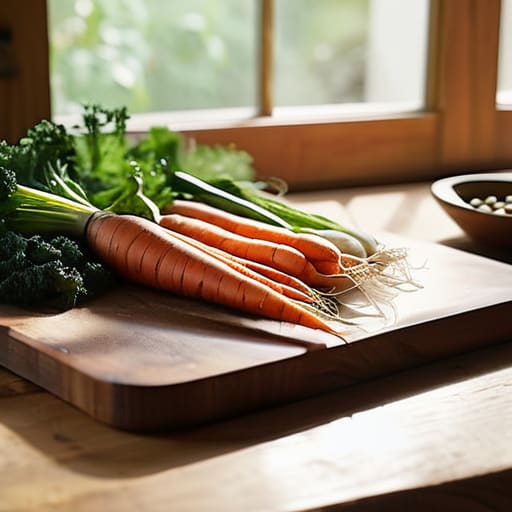
When you step back from the spreadsheets and the supermarket aisles, it really comes down to a few sensible habits. We’ve looked at how a bit of planning before you leave the house can stop those impulse buys at the till, and how buying in bulk only works if you actually have the cupboard space and the appetite for it. It isn’t about deprivation; it’s about making a plan so you aren’t caught short on a Thursday night when the fridge looks a bit thin. Whether it’s sticking to the seasonal veg or keeping a steady stock of those reliable pantry staples, the goal is to stop the money leaking out of your pockets through sheer lack of preparation.
I’ve spent many an evening sitting in my own kitchen, looking at a half-empty tin of beans and a couple of slightly wilted carrots, and realizing that a good meal doesn’t require a fancy receipt. A home is built on more than just its bricks and mortar—it’s built on the small, daily rhythms that keep us going, and knowing how to feed yourself well without breaking the bank is a huge part of that. At the end of the day, true value isn’t found in a luxury brand, but in the peace of mind that comes from knowing you’ve managed your home well. Now, I think it’s time I went and checked on that dry stone wall before the light fails.
Frequently Asked Questions
Is it actually cheaper to buy the big bags of flour and rice from the wholesalers, or do I just end up with a pantry full of things I don't use?
It depends entirely on what you’re actually doing with it. If you’re making a decent amount of porridge or baking a few loaves a week, those five-kilo bags from the wholesaler are a no-brainer; the price per kilo is significantly lower. But I’ve seen too many people buy a massive sack of specialty flour only for it to sit there, gathering dust and attracting damp, until it’s more trouble than it’s worth. Buy what you use.
How do I stop myself from throwing away half a bag of spinach every time I realise I've forgotten it in the bottom of the fridge?
I’ve done the same, usually finding a bag of wilted leaves tucked behind the milk on a Thursday. It’s a waste of good money. My trick is simple: if it’s looking a bit limp but hasn’t gone slimy yet, chop it up and freeze it in an ice cube tray. Once frozen, toss those cubes into a pan for a soup or a stew. It saves the spinach, and more importantly, your wallet.
Can you really make a decent, filling meal for a family of four using nothing but tinned goods and basic staples?
You certainly can, though I wouldn’t call it a feast for a king. I’ve sat at many a kitchen table in this village where a tin of lentils, a bag of rice, and some tinned tomatoes did more for a hungry family than any expensive deli platter. It’s about the basics—onions, dried herbs, and a bit of patience. It isn’t glamorous, but it’s filling, and it keeps the cupboards from looking bare.