I remember standing in a drafty hallway in a mid-18th-century weaver’s cottage near Salisbury last autumn, listening to a young estate agent drone on about “period charm” and “characterful features.” To him, a damp patch behind a heavy oak sideboard was just part of the story; to me, it was a screaming warning about a failing damp-proof course and a roof that hadn’t seen a slate replacement since the Great War. People spend months obsessing over the colour of the kitchen tiles, but when it comes to buying a cottage what to check, they often forget to look at the things that actually keep the rain out and the warmth in.
I’m not here to sell you a dream or some glossy brochure full of adjectives. What I intend to do is give you the unvarnished truth based on thirty years of looking at what’s actually happening behind those pretty stone walls. We aren’t going to talk about interior design; we are going to talk about the structural realities, the local drainage issues, and the practicalities that make a house a home rather than a money pit. I’ll tell you exactly what to look for so you don’t end up paying for someone else’s mistakes.
Table of Contents
Navigating Period Property Structural Issues With Realism
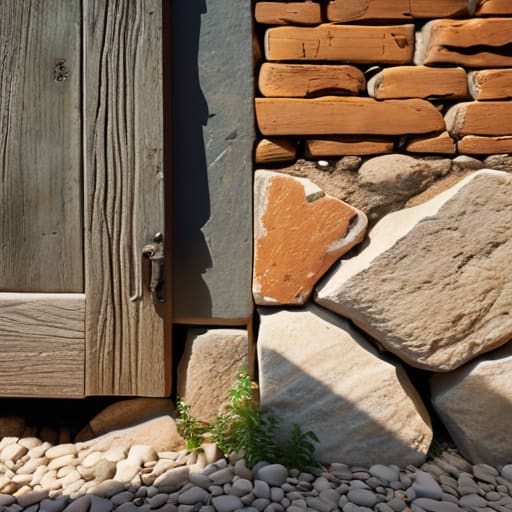
When you walk into a cottage built in the mid-1800s, you aren’t just buying four walls; you are inheriting a set of quirks that have settled into the very bones of the building. I’ve spent many an afternoon squinting at lime mortar and uneven floorboards, and I can tell you that a slight lean in a doorway isn’t always a disaster. However, you must distinguish between “character” and genuine period property structural issues. If you see a crack wider than a ten-pence piece running vertically through a stone lintel, don’t just call it charming. That is a sign that the ground beneath you is moving in ways you might not like.
You also need to look closely at how the building breathes. Most of these old places were designed to work with the damp, not against it. If a previous owner has slapped modern, non-breathable cement over old stone, they’ve likely trapped moisture inside the walls. This is where most people underestimate their cottage renovation costs; they forget that old house damp prevention requires specialist materials like lime plaster, not the quick fixes you’ll find in a DIY shop. If the walls feel cold and clammy, ask yourself if the house is actually breathing.
A Rural Property Inspection Checklist for the Unfiltered Truth
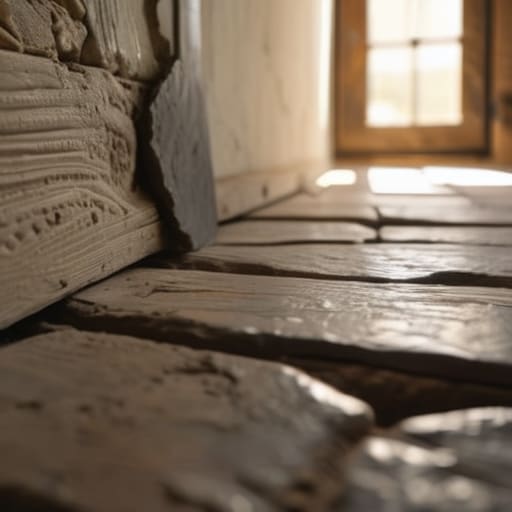
When you’re standing in a drafty kitchen in a mid-19th-century stone cottage, don’t just admire the uneven floorboards; look at what they’re hiding. A proper rural property inspection checklist needs to start with the basics that a glossy brochure will always skip. I always tell people to get down on their hands and knees. Check the corners of the rooms for any sign of rising damp, and don’t just take a landlord’s word for it—look for the tell-tale salt staining on the plaster. If you see it, you’re looking at a long, expensive conversation about old house damp prevention and lime plastering.
Next, take a walk around the perimeter. I’ve seen far too many people fall in love with a garden only to realise the boundary walls are crumbling or the drainage is non-existent. If the lane outside floods every November, your cottage will too, regardless of how pretty the thatch looks. You must also account for the reality of cottage renovation costs; a new roof on a house of this age isn’t just a repair, it’s a significant capital investment. Check the eaves, check the gutters, and check your bank balance.
Five things the glossy brochures won't tell you
- Look at the damp, but don’t just look for stains. Get down on your hands and knees in the corners of the rooms. If there’s a smell like a wet dog in a closed cupboard, that’s a sign the breathability of the walls has been compromised by modern cement rather than proper lime mortar.
- Check the access, and I don’t mean the front door. I mean the lane. If you have to squeeze a Mini Cooper through a gap that barely fits a wheelbarrow, you’ll be paying a premium for delivery vans that can’t reach your doorstep and a nightmare every time you have a skip delivered.
- Test the water pressure and the drainage. Many of these older cottages, particularly those built before 1880, were never intended to handle three modern showers running at once. If the pipes rattle like a bag of spanners when someone turns a tap, you’ve got work ahead of you.
- Don’t take the seller’s word for the broadband speed. I’ve seen plenty of beautiful stone cottages in the valley that are essentially digital deserts. If you work from home, walk to the nearest village hall or shop and check the signal yourself; a beautiful view is less important than a stable connection.
- Inspect the boundaries and the land. A “large garden” on a floorplan can be a deceptive thing. Walk the perimeter. Is the wall a dry stone structure that needs rebuilding, or is it a leaning fence that will be gone after the first winter gale? Knowing exactly where your responsibility starts saves a lot of arguments with the neighbours later.
The Essentials Before You Sign
Look past the charm of a thick stone wall or a low ceiling; if the damp is creeping up from the floorboards, it’s going to cost you far more than a bit of fresh paint to fix.
A house is only as good as its surroundings, so make sure you’ve actually walked the lane in the rain and checked that the local shop isn’t planning on closing its doors next month.
Don’t let a surveyor’s report scare you off entirely, but do listen when they point out a roof that’s seen better days—I’ve seen too many people buy a dream only to spend their first year living under a tarp.
The Real Cost of Charm
You can fall in love with a thick stone wall or a crooked timber beam, but remember that a cottage is a living thing; if the damp is creeping up the lime plaster or the drainage hasn’t been updated since the 1930s, that charm will start feeling very expensive, very quickly.
Gordon Ellery
A Final Word Before You Sign
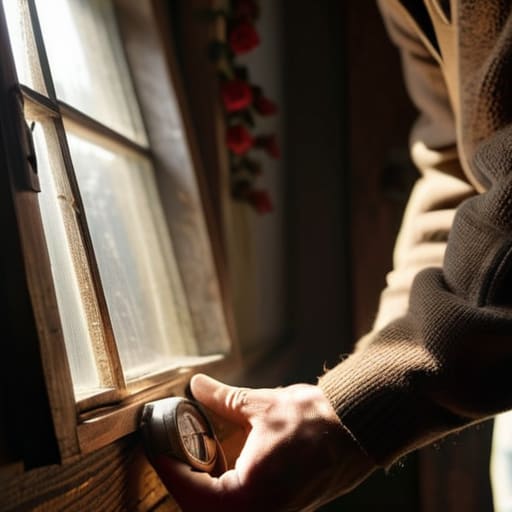
At the end of the day, buying a cottage isn’t like picking a new car from a showroom; it is more like adopting an old, slightly temperamental dog. You have to look past the charm of the climbing roses and the wonky floorboards to see what is actually happening beneath the surface. Whether it is checking the damp levels in a mid-Victorian terrace or making sure the drainage isn’t a disaster waiting to happen, you cannot afford to be blinded by the aesthetic. Remember to check the connectivity, the actual reliability of the local services, and whether that “quaint” lane is a nightmare to navigate in a heavy snow. If you do the hard graft now—the walking, the measuring, and the asking the awkward questions—you won’t find yourself staring at a money pit six months after the keys are in your hand.
But don’t let all this talk of structural integrity and damp proofing scare you off from the dream entirely. There is a particular kind of magic in a house that has stood for two hundred years, a house that has seen generations come and go. If you find a place where the bones are solid and the community is kind, you have found something far more valuable than mere square footage. A cottage is more than just bricks and mortar; it is a piece of history that you get to steward for the next chapter. So, take your torch, wear your sturdy boots, and go find a place that feels like it has been waiting for you.
Frequently Asked Questions
When you're looking at those old stone walls, how do you tell the difference between "characterful" settling and something that's actually going to cost you a fortune to fix?
It’s the difference between a wall that’s breathed with the land and one that’s given up. If you see some mossy gaps or a slight, lazy curve in a dry stone wall—the kind you’ll see on most of the boundaries built around 1850—that’s just character. But if you see fresh, vertical cracks or stones that have actually tumbled out of alignment, that’s gravity winning. If the gap is wide enough to fit a thumb, call a professional.
If the survey comes back saying the damp is "historic," should I take that at face value or should I be looking for signs of a recent, cheap patch-up job?
Don’t take “historic” at face value just because it’s written in a professional report. I’ve seen enough damp-proof courses applied with a prayer to know that a fresh coat of thick, plastic-based emulsion can hide a multitude of sins. If the walls feel slightly tacky or you smell that faint, musty scent near the skirting boards, someone has likely tried to mask the problem. Check for recent patches of paint that don’t quite match the rest of the room.
How much weight should I really give to the local amenities, like the nearest shop or the bus route, when I'm trying to figure out if the asking price is actually fair?
Give it more weight than the agent will ever admit. I’ve seen plenty of beautiful flint cottages in Wiltshire lose ten percent of their value simply because the nearest shop closed or the bus route was cut. A house is just a shell; the amenities are the lifeblood. If you’re paying a premium, you aren’t just buying bricks and mortar—you’re buying the convenience of a village that actually functions. Don’t overpay for isolation.