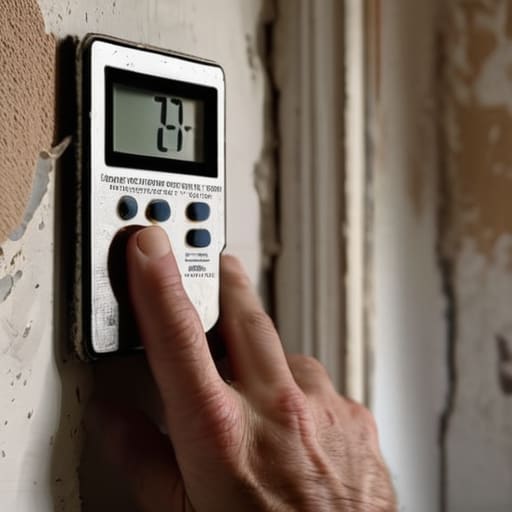
I remember standing in a draughty hallway in a mid-Victorian terrace near Hungerford back in ’94, watching a young couple beam at their “new” home. They’d been sold a dream, but all I could smell was that unmistakable, heavy scent of stagnant earth creeping up from behind the skirting boards. They thought a bit of clever wallpapering would hide the truth, but I’ve spent thirty years learning that you can’t mask the smell of a house that’s breathing through its walls. If you’re currently staring at a beautiful cottage and wondering how to check for damp before buying, don’t let a fresh scent of lavender candles or a bright new coat of emulsion fool you into a lifetime of repair bills.
I’m not here to sell you a fancy thermal imaging camera or a way overcomplicated survey that costs more than the furniture. What I want to do is give you the straight talk—the kind of practical, boots-on-the-ground advice I’d give a neighbour over the garden fence. I’ll show you exactly where to press your hands, what to look for in the corners of a dark cupboard, and how to tell the difference between a bit of condensation and a serious structural headache.
Table of Contents
- Black Mold Identification Seeing Beyond the Fresh Paint
- Detecting Condensation vs Damp Knowing the Real Culprit
- Five things I’ve learned from thirty years of looking at walls
- Three things to remember before you sign the papers
- ## Trust your nose, not the landlord's paint job
- A Final Word Before You Sign
- Frequently Asked Questions
Black Mold Identification Seeing Beyond the Fresh Paint
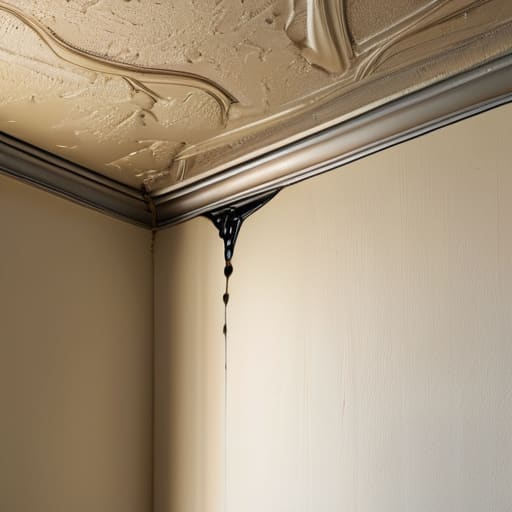
Now, don’t let a fresh coat of Magnolia fool you. I’ve seen plenty of houses in this corner of Hampshire where a seller has used a thick layer of emulsion to mask what’s actually happening behind the plaster. If you’re walking through a viewing and notice a faint, musty scent, don’t just shrug it off as an old building; that damp smell in property is often the first warning sign that something is breathing behind the walls.
When it comes to black mold identification, you have to look at the patterns. If you see those dark, fuzzy spots clustered in the corners of a ceiling or tucked behind a heavy wardrobe, it’s rarely just a bit of surface grit. You need to be able to distinguish between detecting condensation vs damp—the former is often just a lack of airflow in a draughty room, but the latter is a much deeper, more expensive headache. If the spots look like they are spreading from a specific point in the masonry, you aren’t just looking at a cleaning job; you’re looking at a structural survey damp issue that needs a professional’s eye before you hand over your deposit.
Detecting Condensation vs Damp Knowing the Real Culprit

Now, this is where many a first-time buyer gets themselves into a muddle. I’ve sat in many a draughty living room in these old Hampshire cottages, listening to people swear they’ve found a disaster, only to realise they’ve simply got a window that doesn’t seal properly. There is a world of difference between detecting condensation vs damp, and getting it wrong can cost you a lot of unnecessary anxiety. Condensation is usually a surface problem—that thin, misty film on the glass or the beads of water on a cold windowsill when you wake up. It’s a matter of ventilation, not a failing foundation.
However, if you notice a persistent, heavy damp smell in property that lingers even after you’ve opened a window, you’re likely dealing with something deeper. Condensation sits on top; true damp lives within. If the plaster feels soft to the touch or the wallpaper is bubbling away from the wall in a way that suggests it’s soaked through, you aren’t just looking at a bit of morning mist. You’re looking at a genuine issue that needs a proper look.
Five things I’ve learned from thirty years of looking at walls
- Get down on your hands and knees; the truth is usually hiding at floor level. I’ve seen many a surveyor—and myself included—miss a rising damp line because they were too busy looking at the ceiling. Check the bottom six inches of any masonry wall, especially in those older cottages built before the 1920s, for that tell-tale salty, white crust known as efflorescence.
- Follow the smell of the place, not your eyes. A house might look bright and airy, but if you walk into a utility room or a cellar and it hits you with that heavy, earthy scent of wet soil, something is wrong. You can buy all the scented candles in Hampshire, but they won’t mask the smell of a structural moisture problem.
- Take a proper look at the skirting boards. If they are pulling away from the wall or look slightly swollen at the bottom, it’s a clear sign that moisture is wicking up from the ground. It’s a common issue in these older properties where the original damp-proof course—if it even had one—has long since failed.
- Check the window reveals and the corners of the rooms. Condensation is one thing, but if you see staining or bubbling wallpaper in the corners, you’re likely looking at a leak or a failed seal. I always suggest bringing a torch; even in the middle of a sunny afternoon, a bit of light in a dark corner can reveal a damp patch that a fresh layer of emulsion has tried to hide.
- Don’t ignore the outside of the house when you’re checking the inside. If the gutters are overflowing or the ground level outside has been raised too close to the brickwork during a recent renovation, you’re asking for trouble. A house is a system, and if the water isn’t being directed away from the foundations, it will eventually find its way into your living room.
Three things to remember before you sign the papers
Don’t let a bit of clever decorating fool you; if a room feels unusually chilly or smells a touch musty, get your nose close to the skirting boards and the corners of the ceiling.
Learn the difference between a window that’s sweating because the ventilation is poor and a wall that’s damp because the ground is pushing moisture up through the brickwork.
Always check the high and low points—look up at the eaves for leaks and down at the floorboards for rising damp—because a house’s problems rarely stay in one place.
## Trust your nose, not the landlord's paint job
I’ve stood in more draughty hallways than I care to admit, and if there’s one thing a surveyor’s eye learns, it’s that a smell is often more honest than a wall. If a room has that heavy, cloying scent of old wet wool, don’t bother looking at the glossy new wallpaper; it’s just a shroud for something rotting underneath, and you’ll be paying for that mistake long after the moving van has left.
Gordon Ellery
A Final Word Before You Sign
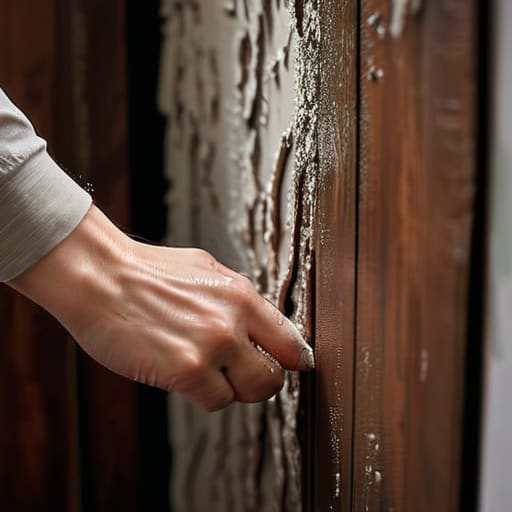
At the end of the day, spotting damp isn’t about being a professional surveyor—though a bit of that training never hurts—it is about using your senses. You need to look behind the heavy wardrobes, sniff for that stale, earthy scent in the corners, and keep a sharp eye on whether the window frames are showing signs of rot. Remember, a thick layer of emulsion can hide a multitude of sins, but it can’t hide the persistent chill or the way the air feels heavy in a room. If you find yourself questioning whether a stain is just a bit of spilled tea or a growing problem, trust your gut and go a little deeper. It is much better to find a fault during a viewing than to find it when you are trying to sleep on your first night.
Buying a house is about more than just the bricks and mortar; it is about finding the place where you will actually live your life. I have seen many a lovely cottage, some dating back to the late 1700s, lose its charm because a new owner ignored a small patch of damp until it became a structural headache. Don’t let the excitement of a new kitchen or a decent garden cloud your judgment. If you do your homework now, you can move in with peace of mind, knowing that the only thing you’ll be worrying about is where to put the sofa. A house is a living thing, and if you treat it with a bit of respect from the start, it will look after you in return.
Frequently Asked Questions
If I see a patch of damp on a ceiling, how do I know if it’s a leaking gutter or a problem with the roof tiles above?
If you spot a patch on the ceiling, get a ladder and look at the eaves. If the damp follows a line straight down from the guttering, it’s likely a blocked or cracked trough. But if the stain is more random or sits right under a ridge, you’re looking at a slipped tile or a failed felt. I’ve seen many a Victorian terrace ruined because someone ignored a single loose slate for a season too long.
Does the age of the house change what kind of damp I should be looking for—say, in a Victorian terrace versus a 1970s bungalow?
It makes all the difference. In a Victorian terrace—most of which were built before the 1920s—you’re often dealing with solid walls that need to breathe; if someone’s slapped modern cement render over them, you’ll find rising damp faster than you can say “surveyor.” In a 1970s bungalow, though, the issue is usually the build itself. Look for failed cavity walls or poor insulation, which traps moisture and leaves you with a cold, weeping room.
If a surveyor tells me the damp is "rising damp," is that something that can actually be fixed, or should I walk away from the property entirely?
Now, don’t go panicking just yet. I’ve seen plenty of mid-Victorian cottages in the valley with rising damp; it’s often just a case of a modern damp-proof course failing or being non-existent. If it’s a straightforward matter of injecting a new barrier or fixing a blocked drain, it’s a manageable repair. But if the moisture has been there since the 1970s and the plaster is crumbling like a biscuit, walk away.