
I was halfway through a cup of tea last Tuesday when I heard it—that unmistakable, frantic scratching coming from behind the wainscoting in the pantry. It’s a sound that hits you right in the solar plexus, especially when you realize you’ve been sharing your breakfast with something much smaller and much more unwelcome. Now, you can spend a small fortune on those fancy, high-tech ultrasonic gadgets that claim to drive pests away with sound waves, but if my thirty years of looking at floorboards and foundations have taught me anything, it’s that those things are a complete waste of money. If you want to learn the real, practical ways of how to keep mice out of a house, you need to stop looking for a magic wand and start looking at your skirting boards.
I’m not here to sell you a subscription service or a chemical spray that smells like a laboratory. What I’m going to do is give you the straight-talking truth based on what I’ve seen in hundreds of cottages across this county. We’ll talk about finding the actual entry points—usually a gap no wider than a pencil—and how to seal them so they stay sealed. I’ll tell you exactly where they’re hiding their nests and how to tidy up your larder so you aren’t essentially running a five-star hotel for rodents.
Table of Contents
Spotting the Small Clues Before They Become Big Problems
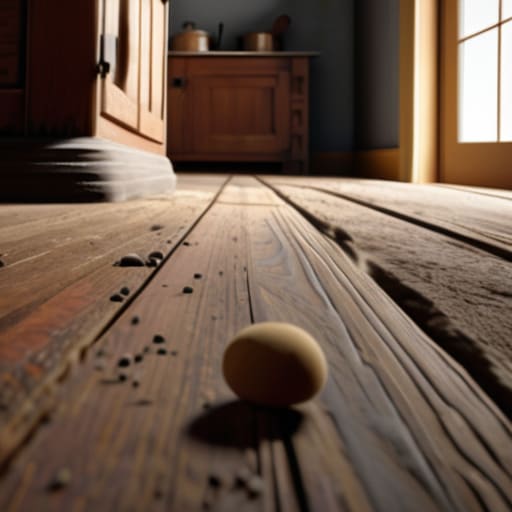
You don’t usually hear them, but you will certainly see them if you know where to look. I remember a particularly old flint cottage near Sevenhampton—built, I believe, around 1840—where the owner thought everything was fine until he found a small pile of dark, grain-like pellets behind the flour bin. Those are the primary signs of mouse infestation you should watch for: droppings, quite often near the skirting boards or tucked into the back of a pantry. If you notice a faint, musty smell in a corner that usually smells of nothing, or see tiny, dark smears along the baseboards where their greasy fur has rubbed, don’t wait for the sound of scratching in the walls.
The real trouble starts when they find their way into the pantry. I’ve spent many an afternoon advising neighbours on eliminating mouse food sources, and the most common mistake is leaving bags of flour or cereal in flimsy cardboard boxes. Mice can chew through a cereal box as easily as I can peel a satsuma. Once they’ve found a reliable snack, they’ll start looking for the easiest way to get back in. Keep a sharp eye on the gaps around your pipes and the underside of your sink; those are the most common entry points for mice in these older properties.
Securing Your Kitchen Cabinets Against Unwanted Visitors
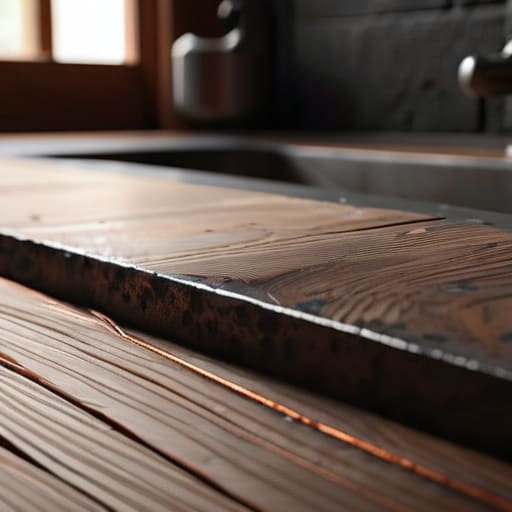
Once you’ve identified those initial signs of mouse infestation, your focus needs to shift to the heart of the home: the kitchen. Most people assume their cabinets are a fortress, but I’ve seen many a Victorian terrace in this part of the county where the gap behind the kickboards is wide enough to drive a tractor through. Mice don’t need much; they just need a dark corner and a crumb. If you have gaps where the pipes enter the wall under the sink, don’t bother with expanding foam—they’ll chew right through it. Instead, grab some steel wool for rodent proofing and stuff it tight into those holes. It’s one of the few things that actually gives them pause because it hurts to gnaw on.
Beyond the walls, you have to look at how you store your supplies. I’ve spent many a morning clearing out pantry cupboards that had been treated like a buffet. To succeed at eliminating mouse food sources, you really must move away from those flimsy cardboard boxes and thin plastic bags. Everything—from the flour to the birdseed—needs to go into heavy-duty glass or metal containers. If they can’t smell it, they won’t stay.
Five Practical Ways to Fortify Your Home
- Don’t let them in through the gaps. I’ve seen plenty of old cottages—some dating back to the mid-Victorian era—where the service pipes under the sink have left a hole the size of a ten-pence piece around the masonry. A mouse can squeeze through something smaller than a pencil, so get yourself some steel wool and some proper filler to plug those gaps around your plumbing.
- Watch your pantry. If you’ve got bags of flour or birdseed sitting in cardboard boxes, you’re essentially setting out a welcome mat. Move your dry goods into glass jars or heavy-duty plastic containers. I remember a neighbour over in Lower Cholderton who left a bag of grain in the scullery; he didn’t find the mice, but they certainly found him.
- Mind the garden perimeter. If your privet hedge or those overgrown rose bushes are brushing right up against the brickwork, you’re providing a natural bridge. Keep the vegetation trimmed back at least a foot from the house walls. It makes the walk from the garden to your window a lot harder for anything looking for a way inside.
- Sort out the bins. It isn’t enough to just have a lid on the bin; it needs to be a lid that actually stays shut. If you’ve got food scraps sitting in a bin near the back door, you might as well be ringing a dinner bell. Keep the bin tucked away in a shed or a secure area, and make sure it’s emptied regularly.
- Check your loft and eaves. This is where most people miss things. While I was surveying a semi-detached near the village green last autumn, I noticed the fascia boards had pulled away just enough to create a perfect doorway. Get a ladder out, have a look at your roofline, and make sure there aren’t any loose tiles or gaps in the eaves that could serve as an entrance.
A Few Final Thoughts Before You Get Started
Don’t wait for a midnight scuttle across the floorboards; if you see a bit of nibbled packaging or a single dark speck near the pantry, get moving immediately.
Think like a mouse, not a homeowner—if a gap is wide enough for a pencil to slide through, it’s wide enough for them to move their entire family in.
Keeping a tidy larder is fine, but it isn’t a cure-all; you must seal the actual entry points with steel wool or proper mortar, otherwise, you’re just tidying up for them.
A Matter of Tight Seals
I’ve spent thirty years looking at the structural integrity of houses from the Cotswolds down to the Salisbury Plain, and I can tell you this: a mouse doesn’t need a door to get into your home, it only needs a gap no wider than a pencil. You can buy all the expensive traps in the world, but if you haven’t gone down on your hands and knees to check the gaps around your pipework and floorboards, you’re just playing a losing game of whack-a-mole.
Gordon Ellery
A Bit of Vigilance Goes a Long Way
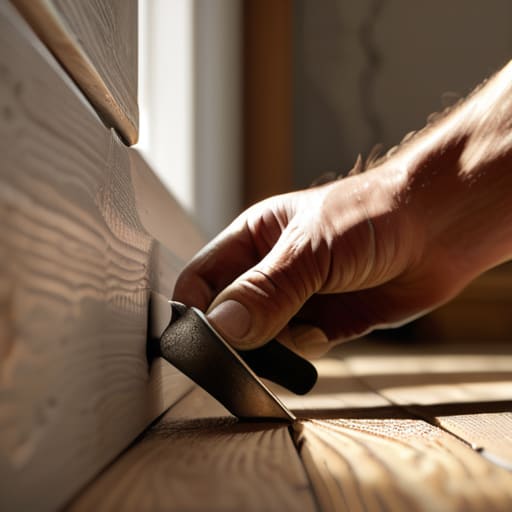
At the end of the day, keeping a house clear of rodents isn’t about some grand, expensive overhaul; it’s about the small, consistent bits of maintenance that most people overlook. I’ve seen plenty of lovely Victorian terraces—many of them built well before the turn of the century—where a single gap under a door or a loose bit of pipework in the scullery became an open invitation. If you’ve checked your skirting boards, sealed those gaps around the kitchen cabinets, and made sure your pantry isn’t a buffet, you’ve done most of the heavy lifting. Remember, prevention is always cheaper than trying to catch them once they’ve decided to settle in behind your lath and plaster. It’s about being proactive rather than reactive, ensuring your home remains your own.
We spend so much of our lives looking after the big things—the mortgage, the garden, the car—that we sometimes forget that a home is actually held together by the tiny details. A house is more than just bricks and mortar; it’s the peace of mind you feel when you sit down in your armchair at night. Don’t let a few uninvited guests take that away from you. Take an hour this weekend to walk your perimeter, check your seals, and reclaim your quiet comfort. Once you’ve tidied up those small vulnerabilities, you can get back to the much more important business of enjoying your home and, hopefully, a decent cup of tea.
Frequently Asked Questions
If I've found a bit of droppings in the pantry, does that mean I've already got a full-blown infestation behind the lath and plaster?
Now, don’t go panicking just yet. Finding a few grains of droppings in the pantry is a warning, certainly, but it doesn’t always mean they’ve moved into the lath and plaster. Those old houses, especially the ones built before the Great War, have plenty of nooks for a single wanderer. However, if you see more than two or three in a cluster, they’ve likely found a nesting spot. Check the corners tonight.
I've heard people mention peppermint oil or ultrasonic gadgets, but do those actually work or are they just a waste of good money?
I’ve seen plenty of people spend twenty quid on those ultrasonic plug-ins, only to find a mouse nibbling on their flour bag a week later. They’re a bit of a gamble, if you ask me. As for the peppermint oil, it might keep them away for an afternoon, but a hungry mouse doesn’t care much for a nice scent. If you want results, stick to steel wool and proper sealant. Don’t waste your money.
Once I've finally cleared them out, how do I stop them from just finding a new way in through the floorboards next season?
The trick isn’t just fixing what’s broken; it’s sealing the gaps you didn’t even know were there. I’ve seen plenty of Victorian cottages where the floorboards have shrunk just enough to leave a gap the size of a pencil. Get yourself some steel wool—the coarse stuff—and stuff it into those crevices around the skirting boards and pipes. They can’t chew through metal. It’s tedious work, but it beats starting the whole battle again next spring.