I was walking past Miller’s Cottage last Tuesday—a fine example of mid-Victorian craftsmanship, built around 1865 if my memory serves—when I saw a young couple standing on the pavement, staring wistfully at the new estate over on Blackwood Lane. They were caught in that classic tug-of-war: new build vs period property. One side offers the allure of a crisp, clean kitchen and a warranty that actually means something, while the other promises character, thick walls, and a bit of history. It’s a choice that keeps people up at night, usually while they’re staring at a spreadsheet or a damp patch on a ceiling.
I’m not here to sell you on the romanticism of crumbling mortar, nor am I going to tell you that a modern estate is a utopia just because the insulation is decent. I’ve spent thirty years valuing houses across this county, and I’ve seen the truth behind the brochures. In the following pages, I’ll give you the straight talk on what you’re actually buying—from the hidden costs of repairing a thatched roof to the reality of living in a cul-de-sac that feels a bit too quiet.
Table of Contents
The New Build
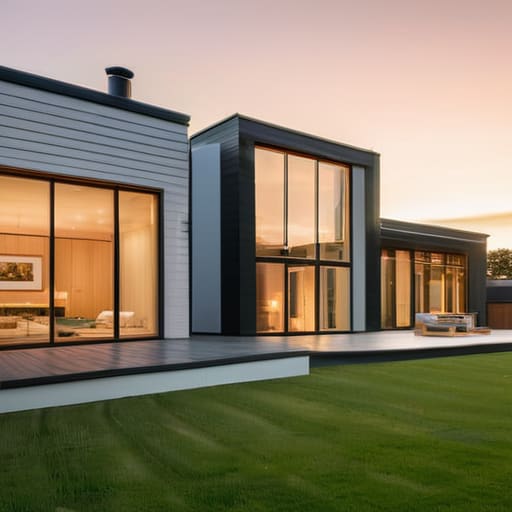
A new build is a property constructed from the ground up on a fresh plot of land, designed to meet modern building regulations and provide a turnkey living experience. These homes are built using contemporary materials and systems, with the primary selling point being their unrivalled energy efficiency and the peace of mind that comes with a brand-new structure.
I’ve spent many a Tuesday walking through these estates, and while they lack the character of an old flint cottage, there is a certain logic to them. You won’t find yourself worrying about damp rising through a floorboard or a roof tile shifting after a heavy gale, because everything is fitted to a standard that didn’t exist fifty years ago. It is a predictable sort of living; you know exactly where the sockets are, the heating works from day one, and you won’t spend your first Christmas fighting a draughty window that hasn’t been properly sealed.
The Period Property
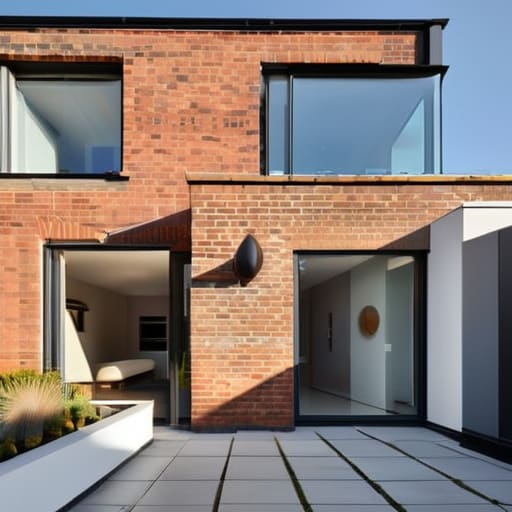
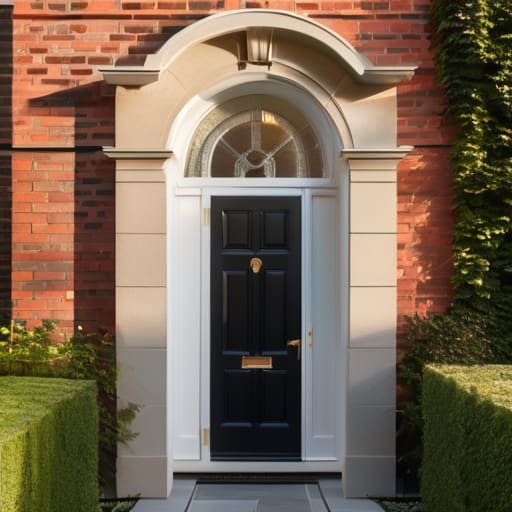
A period property is a home built during a specific historical era, ranging from Georgian elegance to the sturdy, functional Victorian terraces that line our high streets. These houses are defined by their architectural heritage and the use of traditional materials, offering a sense of character and permanence that modern developments often struggle to replicate.
I have valued more than my fair share of these old beauties, and I will tell you straight: they have a soul that a concrete slab just cannot mimic. There is something about the weight of a solid oak door or the way the light hits a sash window that makes a house feel like it has truly settled into the landscape. However, you must be prepared to work for it; those thick stone walls might keep the heat in, but they can also be a devil to plumb if the original pipes haven’t been tended to.
Comparison of New Build vs Period Property
| Feature | New Build | Period Property |
|---|---|---|
| Energy Efficiency | High/Modern standards | Lower/Historic standards |
| Maintenance | Low/Warranty included | High/Frequent repairs |
| Layout | Modern/Open-plan | Traditional/Compartmentalised |
| Character | Minimal/Contemporary | High/Architectural charm |
| Price | Premium/Higher upfront | Variable/Potentially lower |
| Customisation | Limited/Standardised | High/Renovation potential |
| Best For | First-time buyers & low maintenance | Enthusiasts & character seekers |
Energy Efficiency New Build vs Period Finding a Warm Home
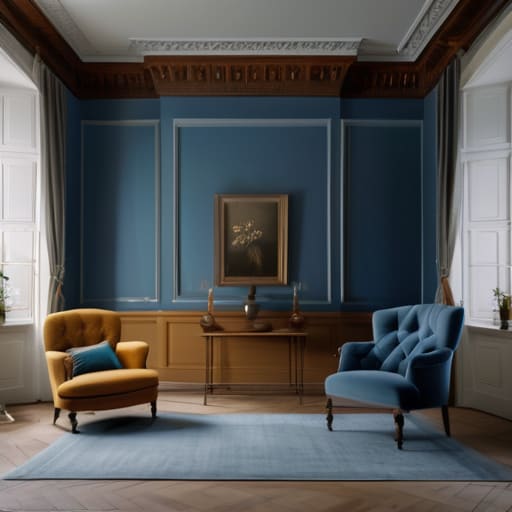
I’ve spent many a cold Tuesday morning standing in unheated drawing rooms, and I can tell you that nothing sours a beautiful view quite like a biting draught whistling through a sash window. When you are weighing up a new build against an older home, energy efficiency isn’t just a line on a spreadsheet; it is the difference between a cozy evening and a frantic battle with a thermostat that never quite wins.
A modern development is designed to be a sealed box, often boasting impressive EPC ratings right out of the gate. You’ll find thick cavity insulation and double glazing that actually works, which means your monthly bills stay predictable. However, these houses can sometimes feel a bit stifling, lacking the natural breathability that older structures possess.
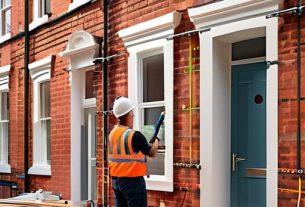
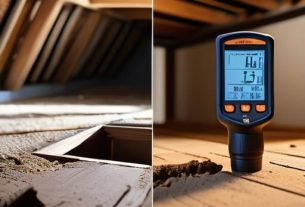
On the other hand, a Victorian terrace or an Edwardian cottage was built to breathe, but they weren’t built to retain heat like a thermos. Without sensible upgrades like loft insulation or secondary glazing, you are essentially throwing money out of the chimney. You can retrofit them, certainly, but it requires a bit of sweat and a realistic budget.
If we are looking strictly at the numbers and the immediate comfort, the new build takes the win here.
Period Property Charm and Drawbacks Looking Beyond the Facade
You can’t talk about old houses without talking about their character, though I’ve learned over thirty years of valuations that “character” is often just a polite word for unpredictability. It is the heart of the debate because while a new build offers a predictable life, a period property offers a story—one that sometimes involves a very expensive chapter regarding the plumbing.
When you walk into a cottage built around 1840, you feel the weight of the stone and the unevenness of the floorboards; it has a soul that a modern developer simply cannot manufacture in a factory. However, that same charm means you’ll be dealing with wonky doorframes and windows that rattle whenever the wind whips off the downs. In contrast, a new build is perfectly level and easy to live in, but it can feel a bit like living inside a very expensive, very sterile cardboard box.
If you want a home that feels like it has always been part of the landscape, the period property wins hands down. Just make sure you have a good builder on speed dial.
The Bottom Line for Your Next Move
Don’t let a shiny new kitchen blind you to the fact that a period home often requires a dedicated maintenance budget; if you aren’t prepared to deal with settling cracks or older plumbing, a new build will save you a lot of grey hair.
If your priority is a low heating bill and a predictable lifestyle, stick to the modern estates, but if you want a house with a story and character that you can’t manufacture in a factory, you’ll have to accept the occasional draft.
Before you sign anything, walk the actual street at dusk and check the local amenities; a beautiful Victorian terrace is much less enjoyable if the nearest shop closed three years ago or the bus service is non-existent.
The Real Cost of Character
You can buy a new build and spend your evenings worrying about the insulation, or you can buy a period cottage and spend them worrying about the damp; but if you ask me, I’d much rather spend my money fixing a stone wall that has stood since the Regency era than trying to find the soul in a house that was finished three months ago.
Gordon Ellery
Making the Final Call
At the end of the day, there isn’t a single right answer, only the one that fits your particular life. If you choose a new build on the outskirts of Salisbury, you’re trading character for a predictable heating bill and a driveway that doesn’t require a shovel in January. If you opt for a mid-Victorian terrace in the heart of the village, you’re buying into history and a sense of place, but you’d better be prepared to budget for the inevitable repairs to those sash windows and damp-prone foundations. I’ve spent thirty years looking at floorplans and damp certificates, and I can tell you that the trade-off is always real; you are either paying for convenience now or investing in soul for the long haul.
Ultimately, a house is more than just a collection of bricks, mortar, and thermal efficiency ratings. Whether you are settling into a modern cul-de-sac or restoring a cottage that has stood since the 1880s, what matters most is how the space allows you to live. A house becomes a home when the local shop is within walking distance and the community feels solid. Don’t let the spreadsheets or the survey reports cloud your judgment too much; once the moving vans have gone and the dust has settled, you need to ensure that the place you’ve chosen is somewhere you can truly plant your roots.
Frequently Asked Questions
If I go for the period house, how much of my budget should I realistically set aside for those inevitable structural surprises?
I’ve seen too many people buy a lovely flint cottage in the valley only to realise they’ve spent their entire deposit on the mortgage. If you’re eyeing a period property, I’d tell you to set aside at least 15% of your total budget for the “unknowns.” Between damp in a 19th-century basement and timber rot in a roof from the 1920s, you’ll need that cushion. It’s better to have a rainy-day fund than a leaky ceiling.
Are the energy savings on a new build actually noticeable on a monthly bill, or is it mostly just marketing talk?
I’ve sat in many a draughty parlour in these old flint cottages, and I’ll tell you straight: it isn’t just marketing. I remember valuing a 1920s semi near the village green where the heating was running full tilt just to keep the toes warm. In a new build, you’ll actually see the difference in your bank balance. The insulation isn’t just a buzzword; it’s the difference between a manageable bill and a monthly shock.
Is it better to buy a period property that's already been modernised, or should I look for something original and do the work myself?
I’ve seen both ends of the spectrum. A modernised period home is tempting; you skip the damp and the dodgy wiring. But you often find someone has covered a lovely 1890s fireplace with cheap plasterboard. If you’ve got the patience and a decent builder, buying the original property is better. You get to do it right, from the floorboards up, rather than undoing someone else’s rushed, mid-nineties DIY job.