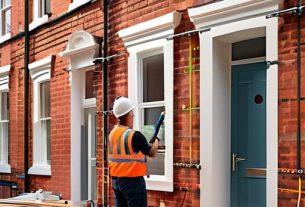
I remember sitting in a draughty kitchen over in Chawton back in ’98, listening to a young man in a sharp suit tell a widow her cottage was worth twenty percent more than it actually was, simply because a new development had broken ground down the lane. He looked at his spreadsheets, but he didn’t look at the cracked lintel over her front door or the fact that the drainage in the bottom garden hasn’t worked properly since the Eisenhower administration. People think you need a team of expensive consultants and a mountain of legal jargon to figure out how to challenge a property valuation, but that’s a load of rubbish designed to part you from your savings.
I’m not going to give you a lecture on market volatility or throw fancy economics at you. Instead, I’m going to tell you what actually matters when you’re standing your ground. I’ll show you how to use the real evidence—the damp in the walls, the noisy junction just around the bend, or the fact that the local bus service hasn’t run reliably since 2012—to prove the numbers are wrong. We’ll do this the proper way: with facts, local knowledge, and a bit of common sense.
Table of Contents
- Finding the Comparable Property Sales Evidence They Missed
- Disputing a Surveyors Report With the Truth of the Street
- Five things to keep in your back pocket when the numbers don't add up
- Three things to remember before you sign anything
- The gap between the spreadsheet and the soil
- A final word on the matter
- Frequently Asked Questions
Finding the Comparable Property Sales Evidence They Missed
Now, the biggest mistake people make is assuming the person sent by the bank has done their homework. They often sit in their car, look at a computer screen, and pick a house three streets over that sold last year—ignoring the fact that the one they picked has a brand-new conservatory and a driveway, while yours is still a gravel patch. To get anywhere with a revaluation request for mortgage purposes, you need to do the legwork yourself. I’m talking about finding the actual houses on your specific lane or the next one over that have sold in the last six months.
Don’t just look at the price; look at the bones of the building. If a house down the road sold for a premium, it’s likely because they spent fifty grand on a loft conversion back in 2021. You need to gather your own comparable property sales evidence to show the surveyor exactly why their math is off. If you can point to a specific property—say, the old smithy on the bend that sold in November—and explain why it’s a better match for your place than the one they’ve picked, you’ve suddenly got a leg to stand on.
Disputing a Surveyors Report With the Truth of the Street
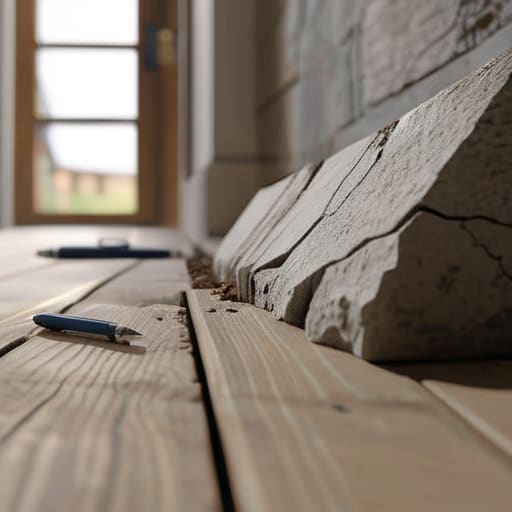
A surveyor’s report is a professional document, certainly, but it isn’t gospel. They often sit in a car, look at a printout, and make assumptions that simply don’t hold water when you’re actually standing on the doorstep. If you find yourself disputing a surveyor’s report, don’t just argue about the price; argue about the facts they’ve overlooked. I’ve seen plenty of reports that claim a house is “well-maintained” while failing to notice the hairline cracks in the lintel or the way the driveway slopes more sharply than the plans suggest.
You need to bring the reality of the street to their attention. If they’ve valued your home based on a neighbor’s sale from three years ago, point out that the neighbor’s cottage lacks the new heating system you installed last autumn, or that their garden doesn’t face the same rising damp issues your south-facing wall does. When you submit a revaluation request for mortgage purposes, you aren’t just being difficult; you are providing the missing context. A computer can crunch numbers, but it can’t feel the draught under a Victorian sash window or know that the local bus route was cut last June.
Five things to keep in your back pocket when the numbers don't add up
- Get your hands dirty with the paperwork. Don’t just look at the price tag on a house down the lane; find out if it sold because it was a gem or because it had a leaking roof and a structural crack that would make a mason weep. A sale price is only useful if you know exactly what was included in the deal.
- Document the “unseen” flaws. A surveyor might look at your floor plan and see three bedrooms, but they won’t see the way the damp creeps up the north wall every November or the fact that the driveway is a constant battle with the mud. Write these things down—they are real costs that a computer model won’t account for.
- Map out the actual convenience. If a valuation assumes you’re in a prime location, remind them that the nearest decent shop is a twenty-minute drive and the bus service is more of a suggestion than a schedule. Proximity to a post office or a reliable school matters more than a fancy postcode.
- Don’t be afraid to ask for the “why.” If a professional hands you a figure that feels wrong, ask them to show their working. If they can’t tell you exactly which three houses they used to reach that number, then they haven’t done half the work you have.
- Keep a paper trail of your improvements. If you’ve spent the last five years replacing the wiring or fixing the dry rot, have those receipts ready. A new boiler or a well-maintained roof isn’t just a “feature”—it’s a tangible bit of value that keeps a house from sliding down the scale.
Three things to remember before you sign anything
Don’t let them rely on a computer model; bring them the facts about the blocked drainage on your lane or the fact that the “charming” cottage next door is actually a structural nightmare.
Keep a folder of your own evidence, from the date you replaced that roof to the exact cost of the new heating system, because a surveyor won’t see the work you’ve done behind the render.
If the numbers feel wrong, trust your gut and your local knowledge—if the house down the road sold for a certain price in 2022, and your place is clearly better, make sure they know why.
The gap between the spreadsheet and the soil
A computer model can look at a postcode and see a number, but it can’t see the cracked driveway, the fact that the main road brings nothing but noise, or the way the light hits the garden in November. If you want to fight a valuation, stop arguing about percentages and start talking about the actual, physical reality of the house.
Gordon Ellery
A final word on the matter

At the end of the day, challenging a valuation isn’t about being difficult; it is about being accurate. You have to go back to the basics: gather your evidence on those recent sales down the lane, point out the specific flaws in the surveyor’s logic, and don’t be afraid to mention that the drainage on the bottom end of the street hasn’t been right since the heavy rains of ’98. If you can show them that their figures ignore the physical reality of the bricks and mortar, you have a fighting chance. It takes a bit of legwork and a fair amount of patience, but standing your ground is often the only way to ensure the paperwork reflects the actual truth of your home.
I spent thirty years looking at floorplans and structural surveys, and if there is one thing I have learned, it is that a house is more than just a set of numbers on a spreadsheet. A valuation can tell you what a building might fetch on a Tuesday in July, but it cannot capture the value of a well-kept garden or a street where people actually look out for one another. Don’t let a cold assessment diminish the pride you take in your place. Whether you win the argument or not, remember that you are the true expert on your own four walls.
Frequently Asked Questions
If I find a house down the lane that sold for more than mine, but it has a brand new conservatory and mine doesn't, how do I explain that to the surveyor?
You have to point out the obvious. If Number 14 down the lane fetched a premium, it’s because they’ve tacked on a substantial conservatory that adds actual square footage. You can’t compare a cottage with a standard footprint to one that’s been extended. Tell the surveyor plainly: “That sale included a permanent brick-and-glass addition; my property lacks that extra living space.” It’s not being difficult; it’s just being accurate about what is actually being sold.
Do I actually need to hire my own professional to argue with them, or can I just show up with my own notes and a few photos of the damp?
Look, you don’t always need to shell out for a fresh surveyor just to settle a disagreement. If you’ve got a folder of photos showing that hairline crack in the lintel or a dated list of when the driveway was actually resurfaced, start there. Most of the time, a well-organised set of notes and some plain evidence is enough to make them blink. Save the professional fees for when the numbers are truly astronomical.
At what point do I stop arguing with the person sending the letter and start making a formal complaint to the council or the professional body?
Look, there is a fine line between a spirited debate and shouting at a brick wall. If you’ve laid out your evidence—the damp, the distance to the bus stop, the actual sale prices on the lane—and they keep giving you the same scripted nonsense, stop wasting your breath. Once they ignore your facts and start quoting policy like a machine, it’s time to move on. Write to the council or their professional body. Don’t argue; escalate.