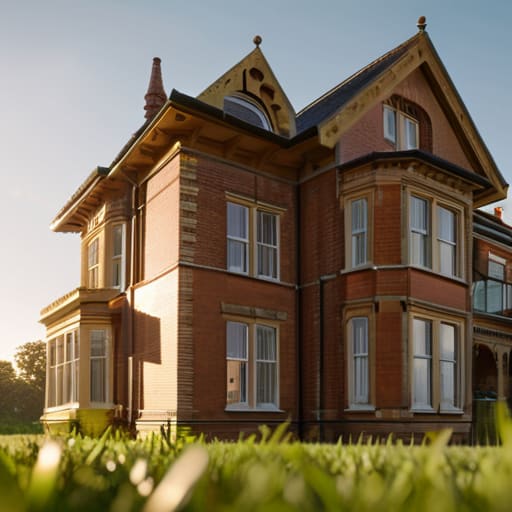
I was sitting in a drafty sitting room in a mid-century conversion near Salisbury last Tuesday, listening to a young couple argue over a stack of legal documents that looked thick enough to stop a bullet. They were terrified, and frankly, they should have been; they were being sold a dream of homeownership while being handed a lease that would effectively expire before their grandchildren were grown. People love to throw around fancy legal jargon to make a simple concept sound like rocket science, but when it comes to leasehold vs freehold explained, the truth is usually much more grounded in who actually holds the keys to your future. Most estate agents will gloss over the fine print to get a commission, but I’ve spent thirty years looking at the actual bones of these properties, and I know when a deal is built on sand.
I’m not here to give you a lecture from a textbook or a list of definitions you could find on a government website. Instead, I’m going to give you the straight talk based on decades of valuing houses and sitting through enough parish council disputes to know where the bodies are buried. I will walk you through the real-world implications of your tenure, from the hidden costs of service charges to the absolute freedom of owning your land. By the time we’re done, you’ll understand exactly what you are buying and, more importantly, what you are not buying.
Table of Contents
The Real Difference Between Leasehold and Freehold

To put it plainly, the fundamental difference between leasehold and freehold comes down to who actually owns the ground beneath your feet. When you buy a freehold, you own the building and the land it sits on—much like the old cottages along Mill Lane, most of which date back to the mid-1800s. You are the master of your own domain, provided you don’t offend the neighbours. However, with a leasehold, you are essentially a long-term tenant. You own the right to live in the space for a set number of years, but the landlord—or freeholder—still holds the ultimate title to the structure.
This distinction matters because it dictates your daily life and your wallet. One of the biggest hurdles for new homeowners is understanding service charges, which can creep up like ivy on a Victorian gable if you aren’t careful. In a flat, you’ll likely pay for the upkeep of shared areas, whereas a freeholder handles the roof and the gutters themselves. It’s a matter of weighing up the leasehold vs freehold pros and cons; you might get a modern, well-located apartment via a lease, but you trade away that absolute autonomy that comes with owning your own patch of earth.
Navigating Property Tenure Types in the Uk
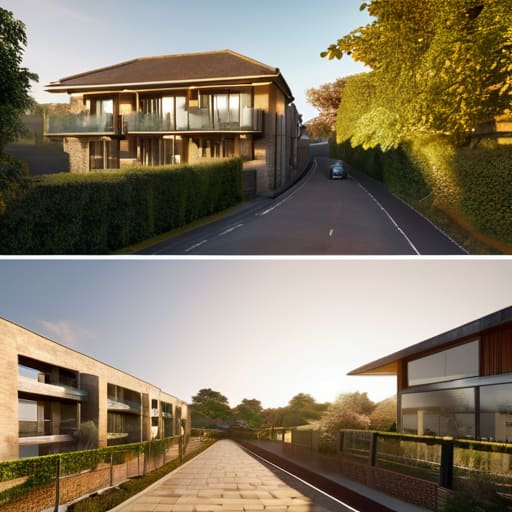
When you start looking at the different property tenure types in the UK, it can feel a bit like trying to read a surveyor’s old hand-drawn plot map in a rainstorm—confusing and slightly overwhelming. Most of what you’ll encounter in our corner of the world falls into two camps. You have the traditional freehold, which is what most of the detached cottages around the valley are, and then you have the leasehold, which is far more common in those newer apartment blocks built near the station back in the late nineties.
The real trick is looking past the shiny kitchen tiles to see what you actually hold in your hands. One of the most significant leasehold vs freehold pros and cons involves your level of control. With a freehold, you own the building and the dirt it sits on; with a lease, you’re essentially a long-term tenant of the structure itself. I’ve seen many a newcomer get caught out by understanding service charges, which can creep up on you like ivy on a north-facing wall. It isn’t just about the mortgage; it’s about who holds the keys to the communal repairs.
Five Things I’ve Learned from Thirty Years of Looking at Deeds
- Watch the clock on your lease. I’ve seen plenty of lovely cottages in the valley where the lease was ticking down toward eighty years; once you hit that mark, getting a mortgage becomes a headache that no amount of fresh paint can fix.
- Don’t just look at the ground rent, look at the “escalation clause.” Some landlords include terms that see your payments double every few years, and by the time you’ve settled in, you’ll be paying more for the privilege of living there than the house is actually worth.
- Check who is responsible for the “envelope” of the building. In a freehold, if the roof tiles slip after a heavy autumn gale, it’s your problem; in a leasehold, you’ll be paying a service charge to a management company that might take six months to send a man with a ladder.
- Ask about the service charge history. I always tell people to ask for the last three years of accounts; if the costs are jumping up every year like a startled hare, it’s a sign the management is either incompetent or the building has underlying issues.
- Understand your right to extend. If you are buying a leasehold, don’t assume you’re stuck with the term you’ve got; there is a legal process to extend it, but it is much cheaper to sort it out when you first move in than when you’re trying to sell ten years later.
The Bottom Line Before You Sign
Freehold is the gold standard for peace of mind, giving you the dirt under your fingernails and the bricks above your head, whereas leasehold is essentially a long-term rental agreement that comes with its own set of rules and extra costs.
Always look closely at the remaining years on a lease; if you’re looking at a flat with less than 80 years left, you’re heading for a costly legal headache that will make your surveyor’s report look like a walk in the park.
Don’t let a pretty facade distract you from the service charges and ground rents hidden in the fine print, as these recurring bills can turn a sensible little cottage into a very expensive habit.
## The Ground Beneath Your Feet
“I’ve spent thirty years looking at floorplans and foundation stones, and if there is one thing I’ve learned, it’s that a beautiful kitchen means very little if you don’t actually own the patch of earth it’s sitting on. A freehold is peace of mind; a leasehold is a ticking clock that someone else holds the key to.”
Gordon Ellery
A Bit of Final Advice

At the end of the day, whether you are looking at a freehold cottage built in the late 1800s or a modern leasehold apartment near the station, you need to look past the glossy brochures. It comes down to the fine print: the length of the lease, the weight of the service charges, and exactly who holds the keys to the common parts. I have seen many a well-intentioned buyer get caught out by a dwindling lease term or a management company that is more interested in their fees than the actual upkeep of the roof. Don’t just ask if the house is pretty; ask who is responsible for the drains and how much it will cost you when they inevitably need replacing.
Choosing a home is about more than just the square footage or the proximity to the local pub. It is about finding a place where you can truly settle, without the constant shadow of an unexpected ground rent hike or a restrictive covenant telling you what colour your front door can be. A house is a significant investment, but a home is where your life actually happens. If you do the legwork now and understand exactly what you are buying, you won’t find yourself sitting in a drafty living room three years from now wishing you had read the small print. Buy with your eyes open, and you’ll sleep much better once the keys are in your hand.
Frequently Asked Questions
If I buy a leasehold flat, how many years are left on the lease before it starts becoming a real headache to sell?
The trouble usually starts when you dip below 80 years. I’ve seen plenty of folks realize too late that once that number starts ticking down, mortgage lenders get twitchy and the cost to extend the lease jumps significantly. It’s not just a paperwork issue; it’s a value issue. If you’re looking at a flat with 75 years left, you aren’t just buying a home; you’re buying a ticking clock.
What on earth are these "service charges" actually paying for, and can a landlord just hike them up whenever they fancy?
I’ve sat through enough parish council meetings to hear the grumbling about service charges, and frankly, I don’t blame anyone. You aren’t just paying for the roof over your head; you’re paying for the hallway lights, the communal bins, and the gardener who keeps the shrubs from swallowing the path. No, a landlord can’t just hike them on a whim—there are strict rules about reasonableness—but you’d best check your leasehold agreement carefully.
Is it actually possible to turn a leasehold into a freehold, or is that just something people say to make themselves feel better?
It’s not just wishful thinking, though it can feel like a tall order when you’re staring at a dwindling lease. You can, in fact, buy the freehold—a process we call enfranchisement. It involves a bit of legal heavy lifting and a fair chunk of change to compensate the landlord, but it’s entirely possible. I’ve seen it done in several of the converted stables around here. It’s worth the effort if you plan on staying.