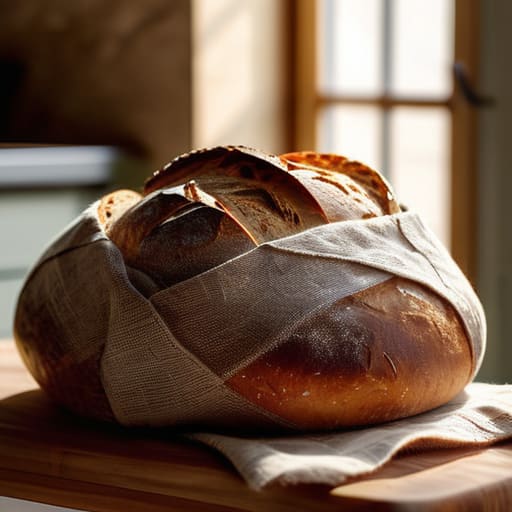
I was standing in the kitchen last Tuesday, staring at a loaf of sourdough that had gone from being a beautiful, crusty specimen to something resembling a piece of discarded drywall in less than forty-eight hours. It’s a common frustration, and frankly, I’m tired of seeing those fancy, over-engineered bread boxes in the lifestyle magazines claiming they hold the secret to longevity. There is no magic gadget or expensive airtight canister that can fix a fundamental misunderstanding of how to store bread properly. Most of the advice you’ll find online is either far too complicated or, worse, suggests shoving your loaf in the fridge—a move that does nothing but turn a perfectly good crust into something tough and sad.
I’m not here to sell you a subscription to a baking club or a designer linen bag. I’ve spent thirty years looking at the structural integrity of buildings, and I apply that same logic to your pantry: it’s about managing the environment, not buying more clutter. In the following notes, I’ll tell you exactly what I do in my own kitchen to keep a crust firm and a crumb soft, based on years of trial and error. No hype, no nonsense—just the practical truth of how to keep your bread worth eating.
Table of Contents
Countertop vs Refrigerator Bread Why the Cold Is a Thief
Now, I see people doing this all the time—tucking their loaves into the fridge as if they’re protecting them from a summer heatwave. It’s a mistake. I’ve spent enough time inspecting kitchens to know that the cold air in a refrigerator is actually a thief; it doesn’t stop the clock, it just changes the way the bread dies. When you put a loaf in there, you’re triggering a process called retrogradation, which is just a fancy way of saying the starch molecules crystallise. In plain English, it means your lovely crusty loaf turns into something with the texture of a dried-out sponge.
When it comes to the debate of countertop vs refrigerator bread, the counter wins for any loaf you intend to eat within a few days. If you are storing artisanal bread that you’ve picked up from the bakery in Salisbury, it wants to stay at room temperature, tucked away in a paper bag or a proper bread bin. The fridge is only for the truly desperate, and even then, it’s a losing battle. If you find you’ve overbought, don’t reach for the crisper drawer; reach for the freezer instead.
The Bread Airtight Container Benefits for Your Daily Loaf
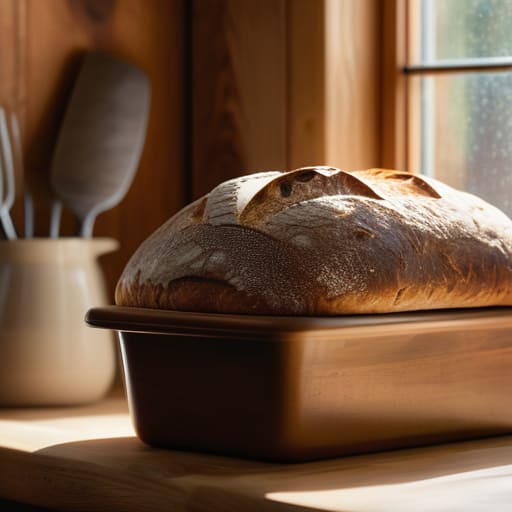
Now, if you aren’t keen on the countertop method, you’ll likely reach for a plastic bag, but that’s a mistake I’ve seen many a newcomer make. A proper bread airtight container benefits your loaf by creating its own little microclimate. When you’re storing artisanal bread—the kind with a decent, thick crust that actually deserves respect—you want to trap just enough moisture to keep the crumb soft without letting it get damp and clammy. I’ve found that a wooden box or a sturdy ceramic crock works wonders, provided it isn’t airtight to the point of suffocation.
If you do go for a modern airtight tin, just be careful not to overdo it. If the seal is too tight, you’ll find yourself preventing bread mold only to end up with a loaf that feels like a wet sponge. I usually keep my sourdough in a linen-lined tin; it keeps the air at bay but allows the bread to breathe just enough. It’s a bit like choosing the right stone for a wall—you need the fit to be snug, but you can’t stop the natural movement of the elements.
A few practicalities for the pantry
- If you’ve bought a proper crusty sourdough from the bakery down the lane, don’t go slicing into the whole thing at once; once that seal is broken, the air gets in and the clock starts ticking much faster.
- For those larger loaves that aren’t going to be finished in a day or two, slicing them up before you freeze them is a bit of a godsend, provided you wrap each slice tightly in parchment so you aren’t thawing the whole loaf just for one bit of toast.
- Keep your bread away from the fruit bowl, especially if there are bananas or apples about; those things give off gases that’ll have your loaf turning mouldy before you’ve even had your mid-morning tea.
- If you find yourself with a bit of a stale crust, don’t bin it—a quick splash of water and a few minutes in a hot oven will bring the life back into it, much like a bit of lime mortar can save a tired-looking wall if you treat it right.
- Avoid those flimsy plastic supermarket bags if you can manage it; they tend to trap just enough moisture to turn a good crust into something that feels more like wet cardboard by Tuesday.
A few final thoughts for your kitchen counter
Keep your bread out of the fridge; it’s a bit of a thief that steals the softness and leaves you with nothing but a crust as hard as the flint in a dry stone wall.
If you’ve bought a decent crusty loaf from the bakery down the lane, let it breathe in a paper bag for a bit before you seal it away, or you’ll end up with a soggy mess.
When in doubt, a simple wooden bread bin is your best bet—it keeps the air moving just enough to stop the loaf from going stale without turning it into a brick.
A bit of common sense for your crust
I’ve spent thirty years looking at the way damp settles in old cottages, and I can tell you that bread is no different; if you treat it like a piece of structural timber and leave it to sweat in a plastic bag in the fridge, you’ll end up with nothing but a stale, useless brick by Tuesday.
Gordon Ellery
A final word on the crust
So, to set the record straight before you head off to the bakery: leave that fridge alone. It’s a thief that steals the softness right out of a good sourdough, leaving you with nothing but stale, crumbly disappointment. If you aren’t using a proper airtight tin, at least find a cool, dry cupboard away from the steam of the kettle or the heat of the oven. It really comes down to a bit of common sense and a little bit of effort. Keep it covered, keep it cool, and you’ll find that a simple loaf can last a good few days without turning into something you’d be better off using as a doorstop.
At the end of the day, there is something deeply satisfying about the rituals we keep in our kitchens. We spend so much time worrying about the grand things—the mortgage rates or the state of the high street—that we forget the small comforts, like a thick slice of toast on a Tuesday morning. Taking care of your food is a small way of respecting the craft that went into making it. It’s about not letting good things go to waste, whether that’s a crusty baguette or a bit of local community spirit. Treat your bread well, and it’ll treat you just fine.
Frequently Asked Questions
What about those fancy bread bins people swear by—are they actually worth the counter space?
Now, those fancy bread bins you see in the shop windows—they aren’t just for show, though some are certainly more expensive than they need to be. A decent bin provides the one thing a plastic tub can’t: a bit of breathing room. You want something that lets the crust stay crisp without letting the middle turn into a brick. If you have the counter space, get one. It keeps the kitchen looking tidy, too.
If I’ve bought a massive sourdough loaf that I know I won't finish by Thursday, is the freezer my only real option?
Not necessarily, though the freezer is a fine fallback if you’ve got the space. If you can’t finish it by Thursday, slice the loaf now. You don’t want to be hacking at a frozen block on a Tuesday morning. Wrap those individual slices tightly in parchment before they go in the freezer; it stops the ice crystals from turning your crust into something resembling wet cardboard once it thaws.
Does slicing the bread before I put it away make it go stale any faster?
It’s a bit of a trade-off, really. If you slice it straight from the bakery, you’ve increased the surface area, which means the moisture has more ways to escape into the air. It’ll dry out faster if you aren’t careful. However, if you leave a whole loaf to sit, you often end up hacking at it with a blunt knife later, which just mashes the crumb. I usually slice it, but only if I’m using a proper bread bin.