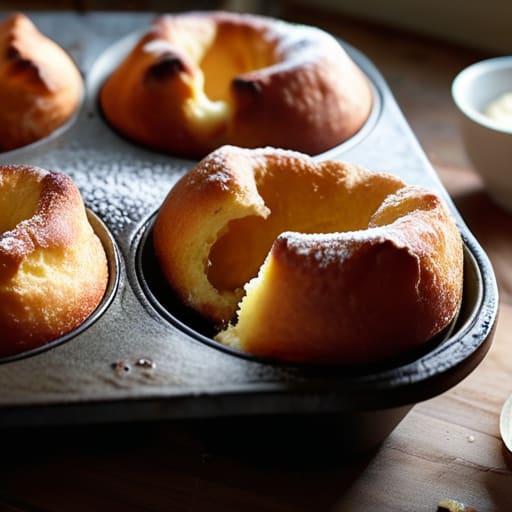
You don’t need a fancy electric whisk or some complicated, temperature-controlled gadget to get a decent rise; in fact, most of that modern kitchen nonsense just gets in the way. I spent years watching people struggle with recipes that promised perfection through complexity, but after forty years of Sunday roasts in various kitchens across the county, I’ve learned that the real secret to how to make yorkshire puddings is actually quite primitive. It’s about the heat of the fat and a bit of patience, not a gadget from a catalogue. I remember a particularly damp Tuesday back in ’94, trying to impress a client in a draughty cottage near Salisbury, only to end up with a tray of sad, oily pancakes because I’d been too impatient with the oven.
I’m not here to give you a lecture or a list of expensive ingredients you can’t find at the local shop. Instead, I’m going to give you the straight truth based on what actually works when the gravy is hot and the family is hungry. I’ll show you exactly how to handle the batter and why the temperature of your oil matters more than the brand of flour you use.
Table of Contents
- Recipe Instructions
- Getting the Egg and Milk Ratio for Batter Right
- Why Using Beef Dripping for Flavor Changes Everything
- Five things I’ve learned from a lifetime of Sunday roasts
- Three Things to Remember Before You Turn the Oven On
- The Importance of Patience
- A Final Word Before the Roast Goes In
- Frequently Asked Questions
Recipe Details
Ingredients
- 3 large eggs
- 1 cup all-purpose flour
- 1 cup whole milk
- 1/2 teaspoon salt
- 3 tablespoons vegetable oil
Recipe Instructions
Step 1
First things first, get your measurements right. I’ve seen enough botched jobs in my time to know that precision matters, whether you’re checking the level of a foundation or weighing flour. You’ll need equal volumes of eggs, plain flour, and whole milk. I usually use a standard measuring jug, and I find that equal parts by volume is the only way to ensure they don’t turn out as heavy as a wet paving slab.
Step 2
Crack your eggs into a large bowl and whisk them in with the flour until you have a smooth, thick paste. It should look a bit like a stiff custard. Slowly pour in the milk, whisking constantly as you go. You want to avoid any lumps; a lumpy batter is a sign of a rushed job, and we aren’t in any hurry here.
Step 3
Once the batter is smooth, set it aside. This is the bit most people skip because they’re hungry, but as I mentioned, you must let it rest. Leave it on the counter for at least thirty minutes—an hour is better if you have the patience. This allows the starch to swell, which is the secret to a proper rise that won’t collapse the moment it hits the air.
Step 4
Get your muffin tin or a heavy cast-iron pan in the oven and preheat it to 220°C. You aren’t just warming the oven; you’re heating the fat. Add a teaspoon of vegetable oil or beef dripping to each hole. You’ll know it’s ready when the oil is shimmering and just starting to smoke. If the oil isn’t hot, the batter will soak it up like a sponge instead of sizzling upwards.
Step 5
Carefully pour the batter into the hot oil—be mindful of the splashes, as it’ll hiss quite loudly—and get them straight into the oven. Bake them for about 20 to 25 minutes. Whatever you do, do not open the oven door to peek at them halfway through. If you let the heat escape, they’ll deflate faster than a poorly constructed garden wall, and you’ll be left with nothing but greasy bread.
Getting the Egg and Milk Ratio for Batter Right
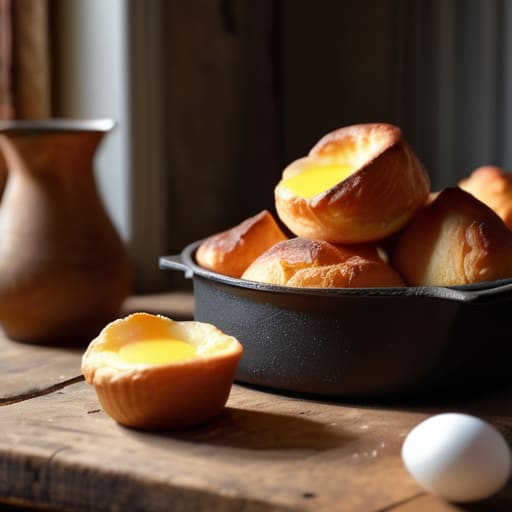
Now, if you’re looking for the secret to those towering, hollow centres, it all comes down to the egg and milk ratio for batter. I remember my old mentor, a man who lived in a cottage built around 1740, used to swear that you should measure by volume rather than weight. He’d use equal parts eggs and liquid, but I’ve found that a slightly heavier hand with the eggs provides a sturdier structure. It’s the difference between a pudding that stands proud and one that collapses like a poorly laid dry stone wall the moment it hits the cool air.
If you find your puddings are looking a bit pale or slumped, you might need to check your baking temperature for yorkshire puddings. You want that oil screaming hot—I mean truly smoking—before the batter even touches the tin. While many people reach for vegetable oil these days, I still maintain that using beef dripping for flavor is the only way to do it properly. It adds a richness that modern fats simply can’t match, making them the undisputed star of your traditional sunday roast sides.
Why Using Beef Dripping for Flavor Changes Everything
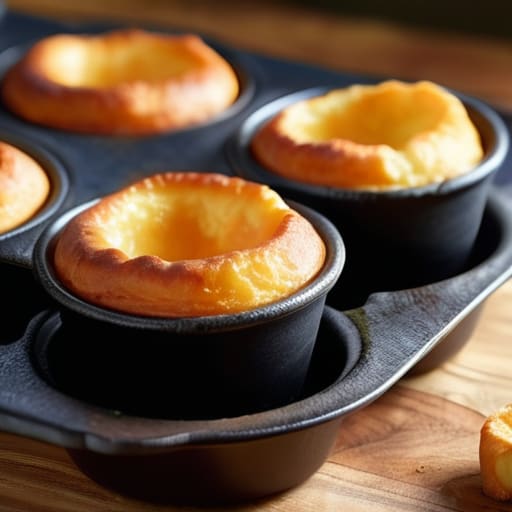
Now, if you want to move from a decent pudding to one that people actually talk about at the pub, you have to talk about the fat. Most people nowadays reach for vegetable oil or even butter, but if you want the real thing, there is no substitute for using beef dripping for flavor. I remember my old mentor, a man who could spot a damp course from fifty yards, used to say that a Yorkshire pudding without dripping was like a cottage without a hearth—it just lacks a certain soul. The dripping has a higher smoke point, which is vital when you are trying to hit that crucial baking temperature for yorkshire puddings. It ensures the tin is screaming hot before the batter hits the metal, which is the secret to that dramatic, hollow rise we all look for.
It isn’t just about the taste, either; it’s about the texture. When you use dripping, you get those crispy, golden edges that stay firm even when they are sitting alongside a heavy gravy. It is one of those small, old-fashioned habits that separates the Sunday roasts of a professional from the rushed midweek versions. If you can find a local butcher who sells decent fat, grab a tub. It’s a small investment for one of the most important traditional sunday roast sides you’ll ever serve.
Five things I’ve learned from a lifetime of Sunday roasts
- Don’t be stingy with the heat; your tin and the fat need to be screaming hot before that batter even touches the pan, otherwise you’ll end up with something more akin to a damp sponge than a proper pudding.
- Give your batter a proper rest in the fridge for at least an hour—I usually leave mine while I’m out checking the post—because it lets the starch swell and ensures a much better rise.
- Avoid the temptation to keep opening the oven door to peek; every time you lift that door, you’re letting out the very heat required to keep those edges crisp, and a cold oven is the quickest way to a flat pudding.
- Use a proper muffin tin or a dedicated Yorkshire pudding tin if you can; those thin, shallow trays you see in the modern supermarkets don’t have the depth required to let the steam do its work.
- If you find yourself without beef dripping, use a high-quality lard rather than a vegetable oil; it’s the fat, not the flour, that provides that essential, golden crunch we’re all looking for.
Three Things to Remember Before You Turn the Oven On
Let the batter rest on the counter for at least half an hour; I’ve spent too many Sunday lunches staring at flat, sad puddings because I was too impatient to wait.
Ensure your beef dripping is smoking hot before the batter hits the tin, otherwise you aren’t making a Yorkshire pudding, you’re just making a greasy pancake.
Stick to a simple ratio of eggs, flour, and milk; you don’t need fancy additives or measurements from a chemist to get a decent rise in a standard home oven.
The Importance of Patience
You can buy the finest flour in the shops, but if you try to rush that batter straight into the oven without letting it rest, you’ll end up with something more akin to a heavy pancake than a proper pudding—and I’ve seen enough disappointing Sunday roasts in my time to know that a bit of waiting is worth the effort.
Gordon Ellery
A Final Word Before the Roast Goes In
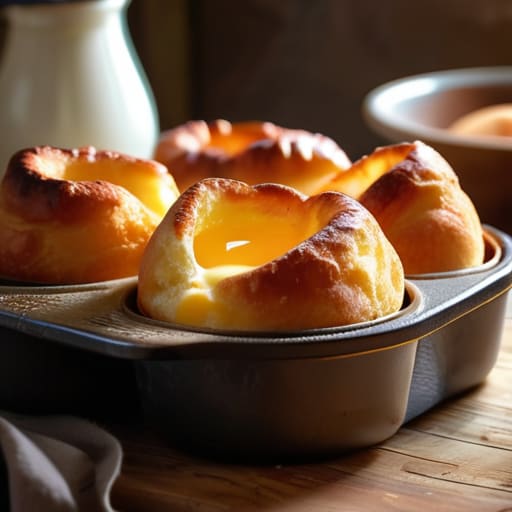
If you take nothing else away from this, remember that a proper Yorkshire pudding is won or lost in the preparation, not the oven. You must get that egg and milk ratio balanced so the batter has enough structural integrity to stand tall, and you absolutely cannot skimp on the heat. Whether you are using beef dripping or a bit of lard, that fat needs to be shimmering hot before the batter even touches the tin. It is a bit like maintaining a dry stone wall; if you don’t get the foundation right at the start, the whole thing will eventually crumble under its own weight. Don’t be afraid to let that batter rest on the counter; it is the difference between a hollow shell and a proper, golden rise.
At the end of the day, cooking like this is about more than just filling a plate. It is about the small, deliberate acts that make a Sunday lunch feel like an occasion rather than just another meal. We live in a world that is increasingly hurried, where everything is pre-packaged and delivered in a plastic tub, but there is something deeply satisfying about doing it the right way. When you sit down at the table, smelling that rich, toasted aroma filling the kitchen, you’ll realise that true quality takes a little patience. It is worth the extra ten minutes of effort, I promise you that.
Frequently Asked Questions
What should I do if my puddings come out looking more like flat pancakes than something with a bit of height?
If they’ve come out flat, you’ve likely let the oven temperature drop or, more commonly, you didn’t let the batter rest. I’ve seen plenty of a disappointing, pancake-like tray after thirty years of Sunday lunches. Make sure that fat is screaming hot before the batter hits the tin—it needs to hiss. And for heaven’s sake, don’t keep opening the oven door to peek; that sudden draft is the quickest way to kill a rise.
Can I use a standard muffin tin if I don't have a proper Yorkshire pudding tin, or will that ruin the result?
You can certainly use a muffin tin; it won’t ruin the pudding, though you might lose that dramatic, towering height you see in the fancy tins. A standard muffin tin has a wider base, so your puddings will be a bit more substantial and “cake-like” rather than spindly. Just make sure you get the fat piping hot in each well before pouring the batter in. It’s a sensible workaround if your cupboards are bare.
Is it really necessary to wait until the fat is smoking hot before pouring the batter in, or can I get away with a lower temperature?
Look, I know it seems like a lot of fuss, but you can’t skimp on the heat. If the fat isn’t smoking slightly when that batter hits the tin, you aren’t making a Yorkshire pudding; you’re making a pancake. I’ve seen plenty of people try to save time by turning the oven down, but all they end up with is a greasy, flat disc. Get it hot, or don’t bother.