You don’t need a degree in food science or a kitchen full of expensive gadgets to master the art of preserving fruit; in fact, most of those complicated recipes you find online are just a way to make a simple task feel unnecessarily daunting. I spent three hours last Tuesday wrestling with a particularly stubborn batch of Seville oranges, only to realise that the secret to learning how to make marmalade isn’t about precision timing or fancy thermometers, but about patience and the right kind of heat. I’ve seen plenty of people ruin a good batch by rushing the boil, resulting in a bitter, runny mess that wouldn’t pass muster even at the village fete.
I’m not here to give you a lecture or a list of “life hacks” that don’t actually work when you’re standing over a steaming pot at seven in the morning. Instead, I’m going to walk you through the practical reality of the process, from selecting the right fruit to knowing exactly when that jar has reached the proper set. I’ve tested these methods in my own kitchen, and I promise to share only the straightforward, honest steps that ensure your preserves are something you’ll actually be proud to serve.
Table of Contents
- Recipe Instructions
- Mastering Citrus Zest Preparation and Bitter Orange Preserves
- The Science of Citrus Pectin Content and the Marmalade Boiling Point
- A Few Bits of Advice from My Own Kitchen Counter
- A Few Final Notes Before You Start Boiling
- A Lesson in Patience
- A Bit of Patience and a Good Jar
- Frequently Asked Questions
Recipe Details
Ingredients
- 1 kg Seville oranges
- 1 kg granulated sugar
- 1.5 liters water
- 1 tablespoon lemon juice
Recipe Instructions
Step 1
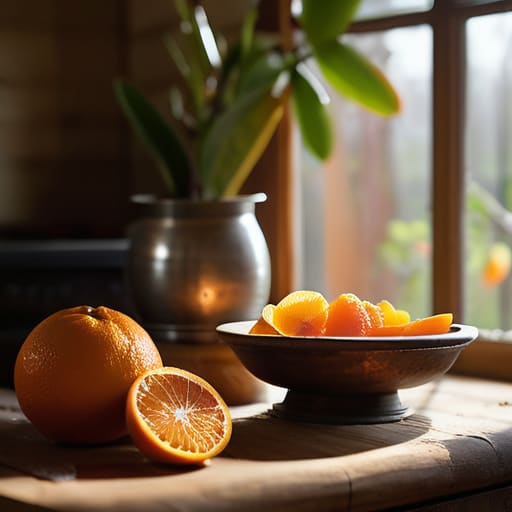
First, you’ll need to gather your fruit—I usually opt for Seville oranges, though you can use whatever is in season if you’re feeling adventurous. Wash them thoroughly in cold water to get rid of any wax, then slice them into thin rounds. I find that if the slices are thicker than a standard pencil, they won’t soften properly during the boil, and you’ll end up with chewy bits that are a nuisance to eat.
Step 2
Once sliced, chop the fruit into pieces and place them into a large, heavy-bottomed preserving pan. Add enough water to just cover the fruit, and let it simmer gently. You aren’t looking for a rolling boil here; you want a steady, rhythmic simmer that breaks down the pith. I’ve seen many a novice turn the heat up too high, only to scorch the bottom of the pan—a mistake that’s nearly impossible to fix once the sugar starts to set.
Step 3
After the fruit has softened—usually about forty-five minutes to an hour, depending on the age of the crop—it is time to add the sugar. The rule of thumb I’ve always followed is to use a weight of sugar equal to the weight of the fruit and water combined. Stir it carefully until every single grain has completely dissolved. If you see crystals lingering at the bottom, keep stirring, or you’ll find your marmalade goes cloudy and grainy within a week.
Step 4
Now comes the part that requires a bit of patience: the boiling stage. You’ll need to bring the mixture to a full boil and let it cook until it reaches the setting point. I don’t bother with fancy thermometers; I prefer the old-fashioned cold plate test. Put a small spoonful of the hot liquid onto a saucer that’s been sitting in the fridge, let it sit for a minute, and then push it with your finger. If it wrinkles, it’s ready.
Step 5
Finally, while the mixture is still hot, ladle it into sterilized glass jars. Make sure you leave a little bit of headspace at the top, but don’t leave so much that the lid can’t seal properly. I always wipe the rims with a clean cloth before screwing the lids on tight. Leave them on the counter to cool completely before you move them to the pantry. It takes a bit of doing, but the result is far better than anything you’ll find in a supermarket aisle.
Mastering Citrus Zest Preparation and Bitter Orange Preserves
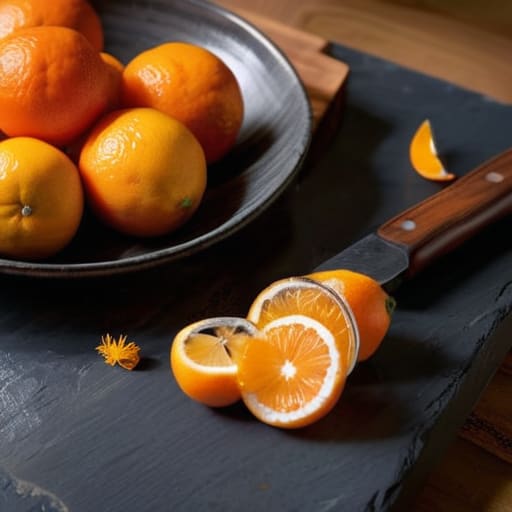
Now, if you’re planning on making a proper batch, you must pay attention to your citrus zest preparation. I remember my mother used to insist on slicing the pith incredibly thin; she’d say that if you leave too much of the white stuff in, you’re essentially making medicine rather than breakfast. When you’re working with Seville oranges—the gold standard for any traditional marmalade recipe—the skin is much thicker than your standard supermarket Navel. I’ve spent many a morning at the kitchen table with a sharp knife, realizing that the secret to a smooth texture isn’t just the cutting, but how long you let those peels soften in the water before the heat goes on.
You also need to keep a sharp eye on the marmalade boiling point. It isn’t enough to just see bubbles; you need to look for that specific, heavy sheeting pattern on the surface of the spoon. If you pull it off the heat too early, you’ll find yourself with a runny mess that won’t set in the jar. While you’re waiting for the pot to reach its peak, make sure you’ve finished sterilizing glass jars in a hot oven. It’s a small, tedious step, but it’s the only way to ensure your hard work doesn’t spoil before the first slice of toast is even buttered.
The Science of Citrus Pectin Content and the Marmalade Boiling Point
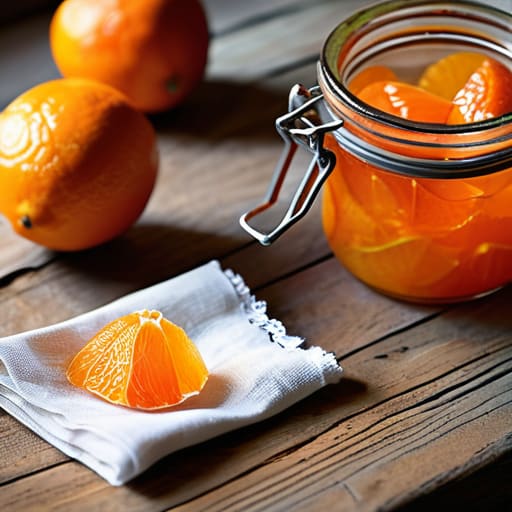
Now, if you’ve ever ended up with a pot of something that looks more like a runny soup than a proper preserve, you haven’t failed the recipe; you’ve likely just missed the science of it. The secret lies in the citrus pectin content, which is largely concentrated in the white pith and the seeds. I used to tell my clients during house surveys that a solid foundation is everything, and it’s no different here. If you find your batch isn’t setting, try tying your leftover seeds and pith in a little muslin bag and simmering them with the fruit. It provides that extra bit of natural “glue” that a traditional marmalade recipe relies on to achieve that perfect, wobbling set.
Then there is the matter of the temperature. You aren’t just heating fruit; you are looking for the marmalade boiling point, which sits right around 104.5°C. I don’t trust those digital thermometers entirely—I prefer the old cold plate test, dropping a spoonful onto a chilled saucer to see if it wrinkles when pushed. It’s a bit like checking the level of a garden wall; you can’t rush the settling process. Once you’ve hit that mark, ensure you are sterilizing glass jars thoroughly in a hot oven first, otherwise, all that hard work will be for naught come next week.
A Few Bits of Advice from My Own Kitchen Counter
- Don’t go skimping on the Seville oranges. I know the shop down the lane usually stocks those sweeter Navels this time of year, but if you use them, you’ll end up with a jam that’s more syrup than preserve. You need that specific, sharp bitterness to cut through the sugar, otherwise, it’s just a sticky mess.
- Watch your pot size like a hawk. I once tried to squeeze a large batch into a standard saucepan—the kind my wife uses for Sunday roast potatoes—and the whole thing boiled over the sides and scorched the hob. Always use a heavy-bottomed pot that’s at least twice the volume of your fruit; it gives the bubbles room to breathe.
- Be patient with the slicing. If you’re using a knife, make sure it’s actually sharp. I spent twenty minutes last Tuesday struggling with a blunt blade, and all I ended up with were uneven strips that cooked at different rates—some were mush, and others were still tough enough to chew.
- Test the set with a cold plate, not just your eyes. The way the light hits the bubbling liquid can be deceiving, especially in a dim kitchen. Put a small saucer in the fridge beforehand; if the marmalade doesn’t wrinkle when you draw a spoon across it, it’s not ready. It’s better to wait an extra ten minutes than to find yourself with a jar of orange soup.
- Mind the pith, but don’t fear it. Some people tell you to scrape away all the white stuff, but that’s where the structure comes from. I’ve found that if you leave a little bit of that bitter pith in there, it helps the whole preserve hold its shape on a piece of toasted sourdough the next morning.
A Few Final Notes Before You Start Boiling
Don’t be tempted to skimp on the prep work; if you haven’t sliced those peels thin enough, you’ll be picking through a bitter mess for the next month.
Keep a close eye on the temperature once it starts to thicken, as the difference between a perfect set and a burnt pot is often just a matter of two or three minutes.
Patience is your best ingredient, because trying to rush the cooling process or the settling of the fruit will only result in a preserve that doesn’t hold its shape.
A Lesson in Patience
You can’t rush a good marmalade any more than you can rush the setting of a dry stone wall; if you try to force the boil before the pectin has done its job, you’ll end up with a sticky, bitter mess that’s more trouble than it’s worth.
Gordon Ellery
A Bit of Patience and a Good Jar
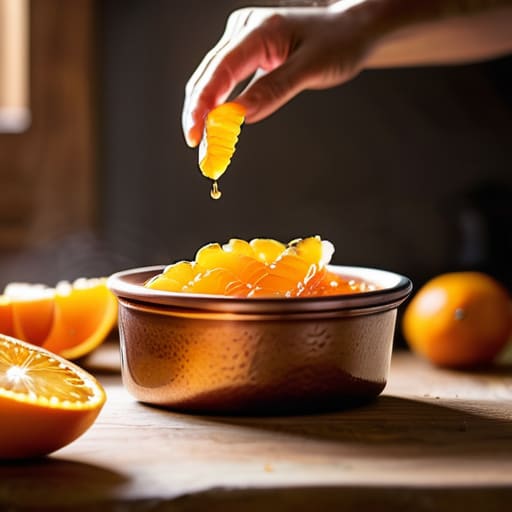
Now, once you have navigated the tricky business of slicing those Seville oranges—which, mind you, are much more temperamental than the sweet ones you find in the supermarket—and you have sat through the long, slow simmer to get that pectin just right, you are nearly there. It is a process that requires a steady hand and, more importantly, a bit of patience with the heat. You cannot rush the setting point; if you try to pull it off the stove too early, you’ll end up with a runny mess that won’t sit right on a piece of sourdough. Just remember that the clarity of your syrup and the evenness of those peels are what separate a proper preserve from a mere fruit jam.
In the end, there is something deeply satisfying about looking at a row of jars on the pantry shelf, knowing exactly what went into them. It isn’t just about the sugar or the citrus; it is about the fact that you took the time to do something properly. In a world where everything seems to be delivered in a plastic tub within twenty minutes, taking a whole afternoon to master a recipe is a small, quiet victory. So, spread it thick on a warm slice of bread, sit down, and enjoy the fruits of your labour. You’ve earned it.
Frequently Asked Questions
If I’ve used a Seville orange that’s gone a bit soft, will the set still hold, or am I just making a sticky mess?
Don’t panic. I once found a bag of Seviles in the back of the larder that were more bruised than ripe, and they made a fine preserve. As long as they haven’t gone mouldy or fermented—give them a sniff first—the pectin is still there. If they’re a bit soft, they’ve actually released more juice, which might make the set a trifle more delicate, but it won’t be a mess.
How long can I actually keep a jar in the larder before it loses its brightness?
If you’ve sealed the jars properly and they’re sitting in a cool, dark larder, you’ll get about a year before the flavour starts to dull. I’ve seen jars from my early days at the cottage that were still perfectly safe to eat after eighteen months, but the “brightness”—that sharp, citrus punch—will certainly fade. After twelve months, it becomes more of a sweet preserve than a real marmalade. Open it, smell it, and trust your nose.
I’ve heard people talk about using a whole lemon for extra pectin; is that worth the extra effort or will it make it too sharp?
I’ve tried that myself, usually on a Tuesday evening when the kitchen feels a bit too quiet. If you use a whole lemon—rind and all—you’ll certainly get the set you’re looking for, but you have to be careful. It adds a sharp, bright edge that can cut right through the sweetness. If you’re using Seville oranges, go for it; they can handle the punch. Just don’t overdo it if your fruit is already particularly acidic.