I was out near the old flint boundary on Saturday, trying to get a stubborn section of dry stone wall to sit right, when the heat finally caught up with me. It wasn’t a sudden thing, but rather that slow, heavy realization that my head was thumping and my mouth felt like I’d been chewing on wool. I’ve seen plenty of people try to solve the problem of how to stay hydrated in summer by buying those expensive, neon-coloured electrolyte powders that cost a fortune in the village shop, but if you ask me, most of it is just marketing nonsense. You don’t need a laboratory-grade supplement to keep your wits about you when the mercury rises.
I’m not here to give you a lecture on physiological science or sell you a lifestyle. What I want to do is share what actually works when you’re out in the garden or walking the long lane to the post office. I’ll be sticking to the practical realities of keeping a cool head and a full glass, based on what I’ve learned from years of working outdoors. It’s about simple, sensible habits that actually hold up when the sun is beating down on a Hampshire afternoon.
Table of Contents
Recognising the Signs of Dehydration in Heat
It isn’t always a sudden, dramatic collapse that tells you there’s a problem. More often than not, it’s a slow, nagging feeling that creeps up on you while you’re out tending the garden or walking the dog. I’ve found that the first real signs of dehydration in heat usually show up as a dull, thumping headache or a sense of fatigue that a bit of shade won’t quite fix. If you start feeling a bit light-headed when you stand up too quickly from the potting bench, your body is trying to tell you something important.
You should also keep an eye on how you’re feeling physically beyond just thirst. A dry, sticky mouth or skin that doesn’t quite “snap back” when you pinch it is a clear indicator that your water intake for hot weather has fallen behind what the thermometer is demanding. It’s easy to ignore that slight dizziness, thinking it’s just the humidity, but if you’re feeling confused or unusually irritable, you’ve moved past simple thirst. At that point, you aren’t just parched; you’re running on empty.
Finding the Best Drinks for High Temperatures
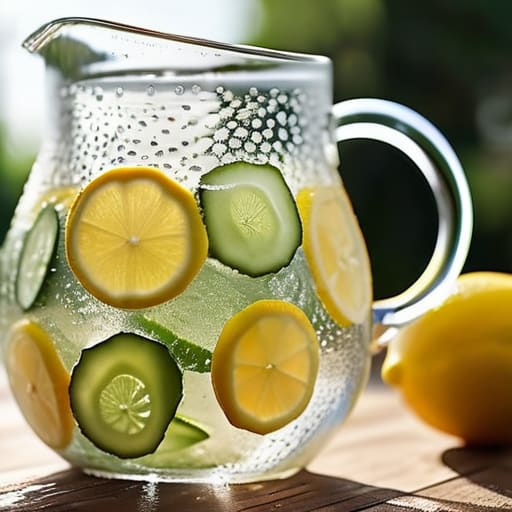
Now, I’m not one for those neon-coloured energy drinks you see in the petrol stations—most of them are little more than liquid sugar that leaves you feeling worse once the initial rush wears off. If you are looking for the best drinks for high temperatures, you really can’t beat the old-fashioned way. A jug of water with a few slices of cucumber or a squeeze of lemon does more than most people realise. It’s simple, it’s cheap, and it actually goes down easy when the sun is beating on the back of your neck.
I’ve found that if you’ve been out working in the garden or walking the lanes, plain water sometimes isn’t quite enough to replace what you’ve lost through sweat. That is when you need to think about electrolytes for summer wellness. You don’t need a fancy laboratory to find them; a bit of coconut water or even a splash of fruit juice in your glass can help settle things. It’s about keeping your body’s chemistry steady so you aren’t constantly chasing that sluggish feeling that comes when your water intake for hot weather has fallen behind the thermometer.
A few practical ways to keep the fluids up
- Don’t wait until you’re parched to reach for a glass. I’ve learned from too many long afternoons tending to the garden that by the time your throat feels dry, you’re already playing catch-up. Keep a jug on the kitchen table and aim to finish it before the sun goes down.
- If you’re out walking the bridleways, carry more than you think you need. I once set off for a brisk circuit of the lower meadows with nothing but a small flask, and I spent the walk back feeling quite poorly. A proper reusable bottle is worth its weight in gold.
- Eat your water where you can. It’s a bit of a thought, but a bowl of melon or some cucumber slices from the local shop provides a steady trickle of hydration that’s often easier on the stomach than gulping down a litre of water all at once.
- Watch the caffeine and the sugar. I enjoy a good cup of tea as much as the next man, but too much of it—especially when it’s piping hot in a heatwave—can actually work against you. Stick to the plain stuff when the thermometer starts climbing.
- Keep a bottle in the fridge, but not so cold that it shocks the system. There’s a fine line between refreshing and a sudden chill that leaves you feeling unsettled. A cool, ambient temperature is usually the best way to ensure you actually keep drinking it.
A few bits to remember before you head out
Don’t wait until your mouth feels like a dusty floorboard to reach for a glass; if you’re feeling thirsty, you’ve already fallen behind.
Keep a reusable bottle in the car or your rucksack, because relying on the hope of finding a working water fountain in the village square is a poor strategy.
If you’re planning a long walk along the bridleways, remember that a bit of salt in your food or a proper electrolyte drink is worth more than just plain water when the sun is beating down.
A lesson learned on the long walk
I’ve spent enough afternoons surveying old cottages in the midday sun to know that by the time you actually feel thirsty, you’ve already lost the battle; if you aren’t sipping something every twenty minutes, you’ll be stumbling up your own garden path feeling twice your age.
Gordon Ellery
A Final Word on Staying Steady
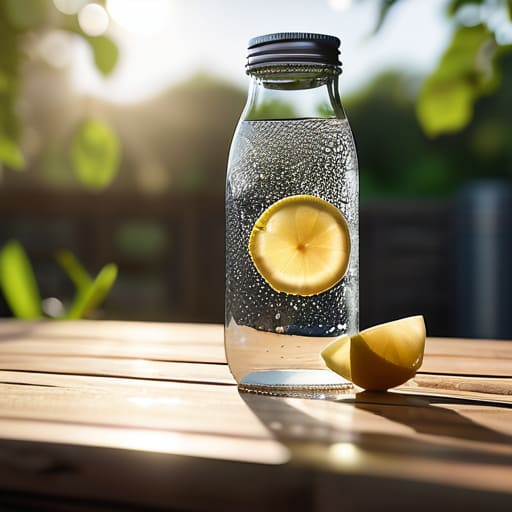
At the end of the day, staying hydrated isn’t about following some complicated nutritional regime you see on the television; it is simply about listening to your body before it starts shouting at you. Whether you are keeping an eye out for that tell-tale headache or choosing a glass of water over a sugary fizzy drink, the goal is the same: staying upright and capable. I have found that if you keep a bottle handy—even a simple one—and don’t wait until you are parched to take a sip, you’ll find the afternoon heat much easier to manage. It is about the small, practical habits that keep you moving through the day without a hitch.
We often spend so much time worrying about the state of our gardens or the upkeep of our roofs that we forget the most important structure we have to maintain is ourselves. A village is only as vibrant as the people walking its lanes, and you can’t do much of anything if you’re feeling wilted and worn out. So, take a moment, find some shade, and have a proper drink. After all, there is nothing quite like a cool glass of water on a still afternoon to remind you that, despite the heat, life in these parts is still a very good thing.
Frequently Asked Questions
Does it actually matter if I'm drinking tea or coffee, or is it all just water in the end?
I’ve sat through enough parish council meetings to know that people love a good argument over nothing. To be blunt: yes, it matters, but not in the way you might think. While a cup of tea won’t leave you parched like a desert, caffeine is a mild diuretic. If you’re relying solely on your morning brew, you’re working harder than you need to. Stick to water for the heavy lifting; keep the coffee for the conversation.
How much water should I really be carrying if I'm heading out for a proper walk on the footpaths?
I’ve walked enough of the ridge paths to know that a half-pint bottle is a recipe for a headache by noon. If you’re heading out for a proper two-hour trek, I’d carry at least a litre. Don’t rely on finding a tap; most of our village streams aren’t worth the risk, and the pub is often a three-mile detour too far when you’re feeling parched. Better to have a heavy bag than a dry throat.
Is there a point where drinking too much water becomes a problem, especially if I'm out working in the garden?
It’s a fair question. I’ve spent many a Saturday afternoon wrestling with dry stone walls, and you can certainly overdo it. If you’re sipping water constantly without any salt or electrolytes, you risk diluting your body’s natural minerals—what the doctors call hyponatraemia. It’s rare, but it’ll leave you feeling more confused than a sheep in a hedge. If you’re sweating heavily, a bit of salted broth or an isotonic drink is better than plain water alone.