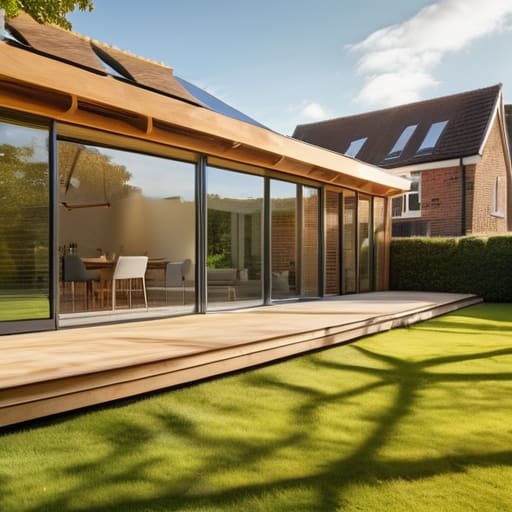
I was standing in Arthur Miller’s garden last Tuesday—a lovely 1930s semi over by the old mill—watching him stare blankly at a pile of timber for a new summerhouse. He was convinced he’d need to hire a consultant and spend months arguing with the planning office just to put up a bit of wood and glass. It’s a common misconception that every single nail you drive into a garden requires a formal battle with the council. Most people get themselves into a state of unnecessary panic because they don’t actually understand what is permitted development is and, more importantly, what it isn’t.
I’m not here to give you a lecture filled with legal jargon that would make a solicitor’s eyes glaze over. Instead, I want to give you the straight talk based on thirty years of looking at floorplans and property boundaries. I’ll tell you exactly where the lines are drawn so you can get on with your improvements without looking over your shoulder. We’ll look at the practicalities of sheds, extensions, and fences, ensuring you know exactly what you can build before you spend a single penny on materials.
Table of Contents
- Planning Permission Exemptions for the Practical Homeowner
- Building Regulations vs Planning Permission the Fine Print
- A Few Bits of Advice Before You Pick Up a Hammer
- The Essentials Before You Pick Up a Hammer
- ## A Word of Caution Before You Pick Up the Hammer
- A Final Word Before You Pick Up the Hammer
- Frequently Asked Questions
Planning Permission Exemptions for the Practical Homeowner
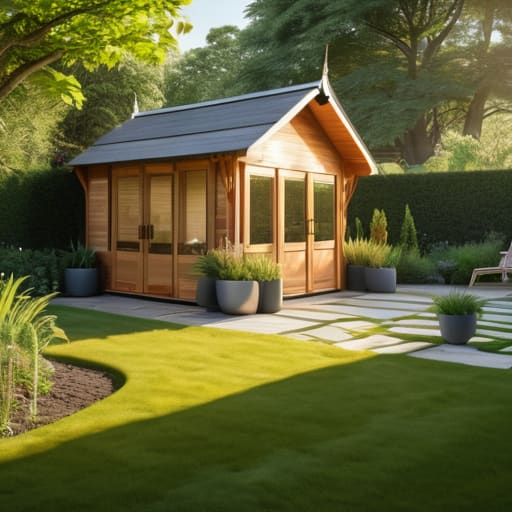
Now, let’s get down to the brass tacks of what you can actually do. For most of us, the most common use of permitted development rights for outbuildings involves that shed or summerhouse tucked away at the bottom of the garden. If you aren’t building something taller than a certain height or taking up too much of your garden’s footprint, you can usually skip the council’s paperwork entirely. I’ve seen plenty of people try to put up a massive timber workshop only to find they’ve overstepped the line, so do check your measurements first.
It is also worth remembering the distinction between building regulations vs planning permission. Just because the council says you don’t need a formal application for a small extension doesn’t mean you can ignore the structural rules. If you’re adding a new bathroom or changing the layout, you still need to ensure the work is safe and meets the standard building codes. It’s a bit like my dry stone walling; it doesn’t matter if the parish council allows it if the whole thing collapses on your neighbor’s prize roses the following winter.
Building Regulations vs Planning Permission the Fine Print
Now, this is where most people trip up and end up with a very expensive headache. You might find you have the green light to build a new garden room under permitted development rights for outbuildings, but that doesn’t mean you can just start hammering nails the next morning. There is a massive difference between planning permission—which is essentially the council deciding if your project looks right in the neighbourhood—and building regulations, which are all about whether the thing is actually safe to stand in.
I’ve seen plenty of well-meaning folk think that because they didn’t need to file a formal application, they could ignore the structural side of things. They might build a heavy timber frame or a masonry wall without checking the foundations, only to find the whole thing is leaning by the second winter. When we talk about building regulations vs planning permission, remember that one is about the look of the village, while the other is about the integrity of your home. Even if the council doesn’t care about the height of your shed, the building inspector certainly will if it lacks proper ventilation or electrical safety.
A Few Bits of Advice Before You Pick Up a Hammer
- Don’t assume a shed is just a shed; if you’re building something substantial near your boundary, the council might have a different idea about its height and placement.
- Keep a folder of your receipts and any certificates for electrical or gas work, because even if you didn’t need planning permission, you’ll certainly need proof of safety when it comes time to sell.
- Check your deeds before you start, as your neighbours might have “restrictive covenants” that stop you from doing things the council would otherwise allow.
- If you are planning a loft conversion or a large extension, get a professional to confirm it falls under permitted development in writing; it’s much cheaper than fighting a planning committee later.
- Remember that “permitted development” isn’t a free pass to ignore the rules of your specific area, especially if you happen to live in a conservation area or near a listed building.
The Essentials Before You Pick Up a Hammer
Just because you don’t need to file paperwork with the council doesn’t mean you can build whatever you fancy; you still have to play by the rules regarding height, boundaries, and what’s considered “reasonable.”
Don’t mistake planning permission for a free pass on building regs; even if the council doesn’t mind the look of your new conservatory, the structure still needs to be safe, dry, and up to code.
When in doubt, check your specific property type first, as being in a conservation area or owning a listed building—like those lovely 18th-century cottages down by the mill—will strip away almost all your permitted development rights.
## A Word of Caution Before You Pick Up the Hammer
“I’ve seen many a well-meaning neighbour start on a lovely little garden summerhouse, only to find themselves halfway through the framing before the planning officer turns up at the gate. Just because you don’t need to file a formal application doesn’t mean you’re invisible; it just means you’ve got a bit more responsibility to make sure you aren’t building something that’ll end up costing you a fortune in retrospective fees.”
Gordon Ellery
A Final Word Before You Pick Up the Hammer
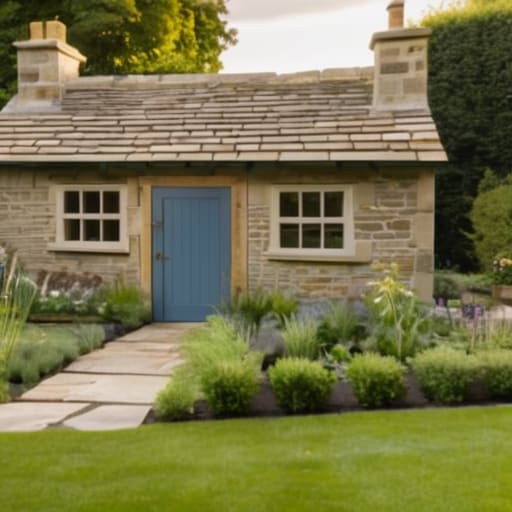
To wrap this up, don’t let the jargon get the better of you. We have covered the fact that while you might not need a formal application for a garden shed or a small porch, you are still beholden to building regulations and your neighbour’s rights. Always remember that permitted development is not a blank cheque to do whatever you fancy. If you are planning something that changes the character of a listed building—and we have plenty of those around these parts, most dating back to the mid-1800s—you’ll find the council is rarely in a forgiving mood. It is always worth a quick, polite chat with the planning officer or a look at the local guidelines before you commit to a significant expenditure of time and money.
At the end of the day, our homes are more than just bricks and mortar; they are the backdrop to our lives and the heart of our community. Whether you are putting up a new summerhouse to enjoy a quiet afternoon or finally fixing that sagging extension, do it with care and respect for the street you live in. A well-tended home adds value, certainly, but it also adds to the quiet dignity of the village. Build something that lasts, build it properly, and you’ll find that the effort is well worth the result when you’re sitting in that new garden space next summer.
Frequently Asked Questions
If I build a shed under permitted development, do I still need to worry about the distance it sits from my neighbour's fence?
You do, actually. It’s a common slip-up. If you’re putting a shed right up against the boundary, you’re limited to a height of 2.5 metres. If you want to go any higher than that, you’ll need to pull it back at least a metre from the fence line. I’ve seen plenty of folks get into a scrap with the neighbours because they built a bit too high, too close. Just keep it low or keep it back.
Does the "permitted development" rule still apply if my house is sitting in a Conservation Area or is a listed building?
Now, this is where things get a bit sticky. If you’re living in one of our lovely Conservation Areas, or if your cottage is listed—and most of the older ones in the village are—those “permitted development” rights aren’t quite as free and easy. The council will be much more protective of the character of the street. You might think you can just swap a window or add a lean-to, but you’ll likely need to check first.
If I add a small extension now, will it stop me from being able to add a larger one later on?
It’s a fair question, and one I’ve heard at many a parish meeting. The short answer is no, a small extension won’t “use up” your rights for a larger one later. Permitted development is a set of rules, not a one-time voucher. However, you do have to keep an eye on the total footprint of the building. If you build a small conservatory now, you’ll just have to work around it when you eventually go for that proper kitchen extension.