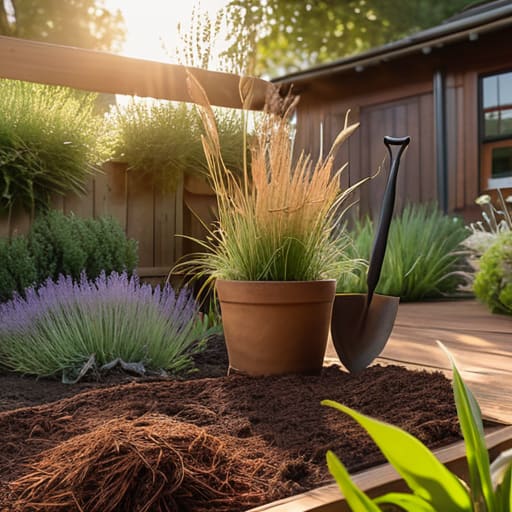
I was standing by the back gate of the old rectory this morning—a fine mid-Victorian property, though the drainage hasn’t been right since the sixties—watching the frost settle on the hydrangeas. It struck me how many people spend a fortune on fancy, plastic-wrapped gadgets and expensive chemical sprays when they’re trying to figure out how to winterise a garden. Most of those glossy magazines make it sound like you need a degree in botany and a warehouse full of supplies just to keep your perennials from turning into mush. Honestly, if you ask me, half of what they sell you is just expensive clutter that ends up in the landfill by April.
I’m not here to sell you on miracle cures or complicated schedules that require you to be out in the mud at five in the morning. Instead, I want to share what actually works when the damp sets in and the temperature drops. I’ll be giving you the plain, practical truth about protecting your soil and your shrubs, based on decades of trial and error in these very lanes. We’ll focus on the simple, sturdy tasks that ensure your garden doesn’t just survive the frost, but is actually ready to wake up when the light returns.
Table of Contents
Preparing Garden for Frost Before the First Bite
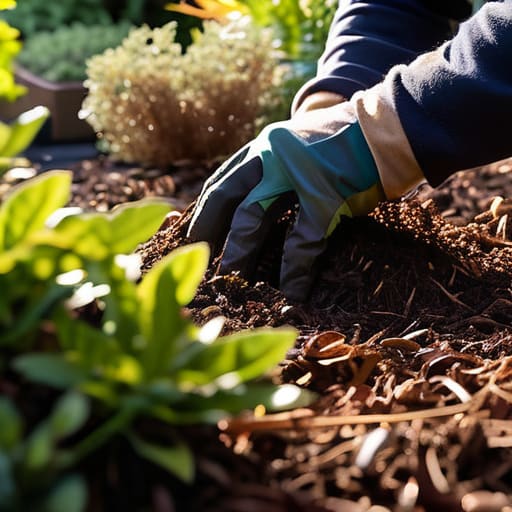
I remember a particularly bitter frost back in ’94—the kind that settles into the marrow of your bones—and it taught me that timing is everything. You don’t want to be out there once the ground is frozen solid; you want to be ahead of it. My first step in preparing garden for frost is always a walk around the perimeter to see which plants are showing signs of fatigue. If you have those tender perennials that haven’t quite tucked themselves in, now is the time to mulch them. A thick layer of well-rotted compost or even some bark chips acts like a heavy woollen blanket, keeping the roots from getting that sudden, sharp shock when the temperature drops overnight.
It isn’t just about the greenery, though. I’ve spent many a Saturday morning cleaning my trowels and shears, and if you leave them sitting damp in the shed, you’ll be fighting them all next spring. Protecting garden tools from rust is a simple bit of business: wipe them down and give them a light rub with a bit of oil. It takes five minutes now, but it saves you a headache later.
Protecting Perennials in Winter From the Heavy Damp
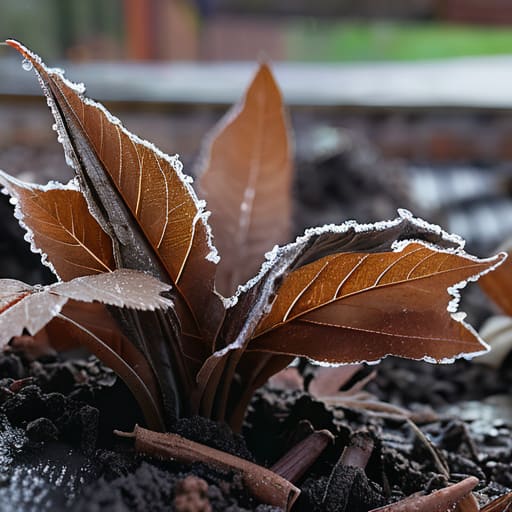
It isn’t the sharp, dry frost that gets you; it’s the heavy, sodden damp that sits in the soil through January. I’ve seen too many lovely herbaceous borders turned into a grey, mushy mess because the water had nowhere to go. If you’ve got plants sitting in a hollow near the old mill pond, they’ll be struggling. One of my main winter plant care tips is to ensure your drainage hasn’t been choked by fallen leaves. If the ground stays waterlogged, the roots simply rot before the first thaw even arrives.
For the more delicate varieties, I find a thick layer of well-rotted compost or bark mulch works wonders. It acts like a heavy woollen coat, keeping the root zone stable. When protecting perennials in winter, don’t be afraid to be a bit generous with the mulch, but keep it away from the actual stems to avoid crown rot. I usually spend a Saturday morning working my way around the south garden, making sure everything is tucked in properly. It’s tedious work, but it beats the alternative of seeing nothing but bare, muddy patches come April.
A few more bits to sort before the light fails
- Clear out the gutters, and I mean properly. I spent three hours on a ladder at Number 4 last Tuesday because a blocked downpipe turned their patio into a pond. If the leaves stay in there, the weight of the water will pull the guttering right off the fascia, and you don’t want to be calling a contractor in mid-January.
- Get your tools back in the shed and give them a bit of oil. A rusty spade is a miserable thing to use in March, and I’ve seen more than one person snap a wooden handle that had been left sitting in the damp overnight.
- Don’t be too quick to tidy up every single dead leaf. Those hollow stalks and dried seed heads are where the ladybirds and solitary bees tuck themselves in for the season. If you make the garden too neat, you’re essentially evicting the locals.
- Check your garden lighting. There’s nothing worse than walking the path to the back gate in the dark and tripping over a loose paving slab because the solar light gave up in October. It’s a three-minute job to swap the batteries now, rather than a trip to A&E later.
- Feed the birds, but keep it simple. A decent suet block or a bit of sunflower heart goes a long way when the temperature drops. Just make sure you’re cleaning the feeders every fortnight; a dirty feeder is a quick way to spread disease through the garden, and we want the birds back in the spring.
A few things to keep in mind before the frost sets in
Don’t go too heavy on the mulch; if you pile it up too thick around the base of your shrubs, you’ll trap the damp and end up with rot rather than warmth.
Check your tools now, while the weather is still kind, because trying to prune a stubborn rose with a blunt, rusty set of shears in February is a recipe for a sore back and a ruined plant.
Keep an eye on your drainage; I’ve seen too many lovely borders turned into a boggy mess because a gutter or a small trench wasn’t cleared of last year’s leaves.
## A bit of foresight goes a long way
“I’ve spent thirty years looking at the structural integrity of flint and brick, and I can tell you that a garden is much the same; if you don’t take the time to shore up the foundations before the frost sets in, you’ll spend all of April trying to patch up the damage.”
Gordon Ellery
A bit of peace for the season
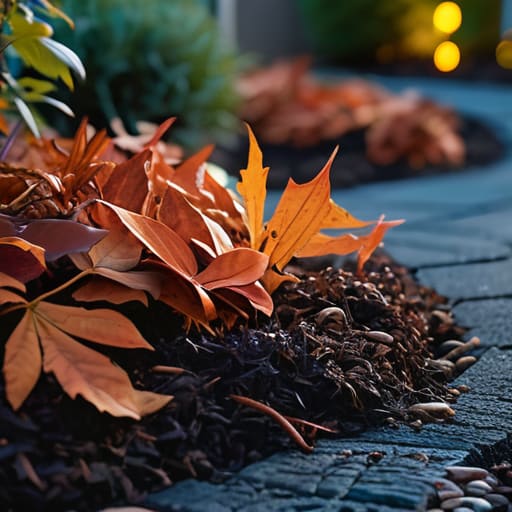
It isn’t much to ask, really—just a bit of foresight before the ground turns to iron. If you’ve taken the time to clear those fallen leaves away from the base of your shrubs, checked that your drainage isn’t choked with silt, and given your perennials a decent mulch, you’ve done more than your fair share. I’ve seen plenty of folks skip the heavy lifting in November, only to spend a much more expensive April trying to replace things that simply couldn’t survive the damp. It’s about preventative maintenance, much like checking the flashing on a chimney before the winter gales set in. Once you’ve finished the heavy work, you can step back and know that the garden is properly tucked in for the long sleep.
There is a particular sort of quiet that settles over the village once the frost arrives, and there is something quite lovely about looking out through the kitchen window at a garden that is resting well. Don’t feel you have to be out there every single day once the frost bites; a garden needs its dormancy just as much as we do. Use this time to sharpen your shears, mend that broken trellis, or simply sit with a hot tea and watch the light change over the hedges. The spring will come back, as it always does, but for now, let the soil rest and take pride in the work you’ve put in.
Frequently Asked Questions
Should I bother clearing out the dead stalks of my summer perennials, or is it better to leave them for the insects?
It’s a bit of a tug-of-war between tidiness and biology. If you’re looking for a neat, manicured plot, you’ll want to cut them back once they’ve turned brown and collapsed. However, if you don’t mind a bit of a mess, leaving those hollow stalks provides vital shelter for the solitary bees and ladybirds that spend the winter tucked away. I usually leave a few patches for the insects, then tidy the rest.
Is it worth the cost of buying horticultural fleece for the smaller shrubs, or will a bit of old burlap do the job?
I’ve spent enough mornings wrestling with garden supplies to know that you don’t always need the fancy stuff. If you’ve got a small shrub, a bit of old burlap is perfectly fine—it breathes well enough. Just make sure it isn’t sitting directly against the leaves, or you’ll trap the moisture and invite rot. The horticultural fleece is better for larger areas, but for a single specimen, save your pennies for the seed shop.
How do I know if my fruit trees are actually dormant enough to handle a proper frost?
It’s a common worry, particularly with those younger trees planted after the 2018 drought. You aren’t looking for a frozen branch, but rather a lack of “vigour.” If you see new, soft green shoots pushing out despite the chill, they aren’t dormant; they’re confused. A tree is truly settled when the sap stops rising and the buds look tight and sleepy, rather than swollen and ready to burst. If they’re still pushing growth, get some horticultural fleece over them.