You don’t need a linen tablecloth or a selection of imported preserves to do this properly; in fact, the moment you start looking for “gourmet” ingredients, you’ve already lost the plot. I spent years valuing properties in the Test Valley, and I can tell you that the best lunches I ever had weren’t served in fancy bistros, but on a wooden board in a kitchen that smelled of damp wool and woodsmoke. People often ask me how to make a ploughmans lunch that actually satisfies, and they expect a complicated recipe involving balsamic reductions or something equally silly. The truth is much simpler: it’s about the quality of the local stuff and the lack of fuss.
I’m not here to give you a culinary lecture or a list of ingredients you can’t find in a village shop. Instead, I’m going to show you how to assemble a proper spread using the kind of honest bread, sharp cheese, and pickled onions that actually hold their own. I’ll tell you exactly what to look for at the deli counter and why a bit of crusty sourdough is non-negotiable. This is about real food for real people, served exactly how it should be.
Table of Contents
Recipe Details
Ingredients
- 200g Sharp Cheddar cheese, sliced or crumbled
- 2 Hard-boiled eggs, halved
- 1 Crusty sourdough baguette, sliced
- 100g Pickled onions or cornichons
- 1 Small jar of Branston pickle or onion chutney
- 2 Slices of thick-cut ham or gammon
- 1 Large crisp apple, sliced
- 50g Salted butter
Recipe Instructions
Step 1
Start with the bread, and for heaven’s sake, don’t use that pre-sliced stuff from the supermarket. You want a properly crusty sourdough or a dense farmhouse loaf, something that has enough structural integrity to hold a heavy slice of cheese without collapsing. Slice it thick—about an inch should do—and if you have the patience, a quick toast in the oven makes a world of difference.
Step 2
Next, you need the cheese. I’ve spent enough years inspecting lath and plaster to know that quality matters in everything, including dairy. Pick up a wedge of mature Cheddar or, if you’re feeling particularly indulgent, a Stilton that has a bit of character to it. Don’t bother with the pre-grated bags; just break off chunks with a knife so it looks like it belongs on a wooden board rather than a plastic tray.
Step 3
Now for the accompaniments. A ploughman’s isn’t a meal without something sharp to cut through the fat of the cheese. Get yourself some pickled onions—the kind that make your eyes water just a little—and a good quality chutney. I find a caramelized onion chutney works best, provided it hasn’t been overly sweetened by some industrial manufacturer.
Step 4
You can’t forget the bit of crunch. A handful of crisp apples, perhaps a Bramley if you want something tart, or some firm dessert apples sliced thin, will do the trick. If you’re feeling a bit more substantial, a couple of slices of thick-cut ham or some cold pork loin from the butcher will make it a properly filling lunch for anyone working in the garden.
Step 5
Finally, lay it all out on a wooden board or a large plate. Don’t try to make it look like something from a fancy London bistro; this is meant to be honest food. Arrange the bread, the cheese, the pickles, and the fruit so that it looks generous and unpretentious. If there’s a bit of crumbs left on the board, well, that’s just part of the charm.
Selecting the Best Cheeses for Ploughmans and Crusty Bread Pairings
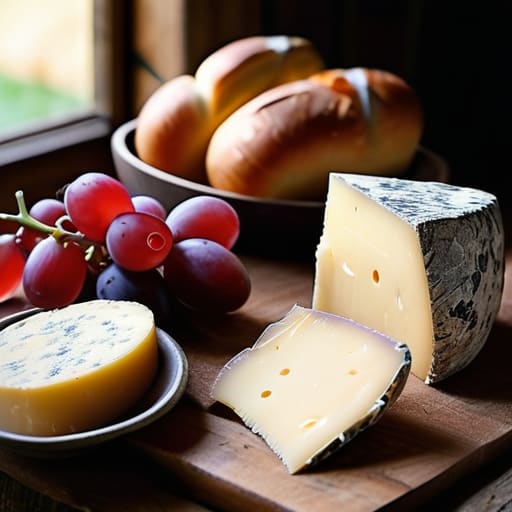
Now, if you’re heading to the deli counter, don’t let them steer you toward those plastic-wrapped, mild cheddars that taste like nothing in particular. If you want the best cheeses for ploughman’s, you need character. A sharp, cloth-bound cheddar is the backbone of any proper spread—something with a bit of bite that’s been aged long enough to develop those little crunchy crystals. I’ve always found a wedge of Stilton or a creamy Wensleydale works wonders too, especially if you’re looking to balance out a particularly salty bit of ham. It’s about contrast, really.
As for the bread, forget those sliced loaves from the supermarket aisle. You want a loaf with some weight to it, something that can stand up to a thick slice of cheese without collapsing. I’m talking about a proper sourdough or a rustic granary with plenty of seeds. These are the essential crusty bread pairings that turn a simple snack into a proper meal. If the crust doesn’t require a bit of effort to saw through, it isn’t worth your time. Just make sure it’s fresh; a stale loaf is the quickest way to ruin a perfectly good afternoon.
English Country Lunch Components and Savory Chutney Recipes
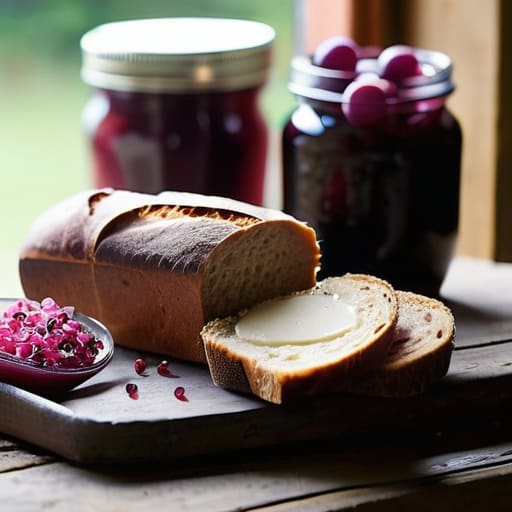
Now, a proper spread isn’t just about the dairy and the grain; it’s about the bits that provide a bit of a sharp kick to wake up the palate. When I think of english country lunch components, I think of the pickled elements that have sat in larder jars for months. A good onion marmalade or a tangy apple chutney is essential. If you’re feeling ambitious, you can try some savory chutney recipes involving damson plums or even a bit of mustard seed, but don’t feel you have to reinvent the wheel. A jar from a local farm shop—the kind where the labels are slightly wonky—is often better than anything you’ll find in a supermarket.
It’s also worth remembering that a ploughman’s is the backbone of any traditional british picnic food setup. If you’re heading out to the downs, don’t just settle for plain crisps. Bring along some pickled onions, a few slices of thick-cut ham, or even some salted radishes. It’s about balance. You want that hit of acidity to cut through the fat of the cheese, much like a well-placed stone keeps a dry wall from leaning.
Five Rules for a Proper Spread
- Temperature matters more than you think. I’ve seen many a good lunch ruined by cheese that’s been sitting in a cold larder. Take your cheddar or Stilton out of the fridge at least half an hour before you sit down; it needs to be soft enough to actually taste the creaminess.
- Avoid the pre-sliced supermarket loaves. If the bread doesn’t require a bit of effort to saw through, it isn’t right for a ploughman’s. You want a loaf with a crust thick enough to hold up against a heavy slab of cheese and a dollop of chutney.
- Don’t go overboard with the fancy bits. A ploughman’s isn’t a wedding banquet; it’s meant to be honest. Stick to the essentials—pickles, maybe an apple, and some ham—rather than cluttering the board with things that don’t belong in a village pantry.
- The fruit should provide a sharp contrast. If you’re using apples, go for something with a bit of a crunch, like a Braeburn or a Cox. A soft, mealy apple is just another way of making a perfectly good lunch feel a bit damp.
- Serving is half the battle. Don’t bother with individual plates for every little component. Put it all on a large wooden board or a sturdy platter in the middle of the table. It encourages people to talk and pass things around, which is the whole point of a midday meal.
The Essentials for a Proper Spread
Forget the supermarket pre-sliced stuff; you need a loaf with a proper crust and cheese that hasn’t been sitting in plastic for a week.
Don’t go overboard with the fancy bits; a good chutney and a handful of pickled onions do more for a lunch than any amount of garnishing.
It’s about the quality of the ingredients, not the complexity of the assembly—if the bread is good and the cheese is sharp, you’ve already won.
The Secret to a Proper Spread
A real ploughman’s isn’t about what you can buy in a plastic packet from the supermarket; it’s about finding a cheddar with enough character to stand up to a bit of wind, a loaf that actually requires a knife to break, and the sort of chutney that makes you want to sit on a garden bench for an hour.
Gordon Ellery
A Proper Finish
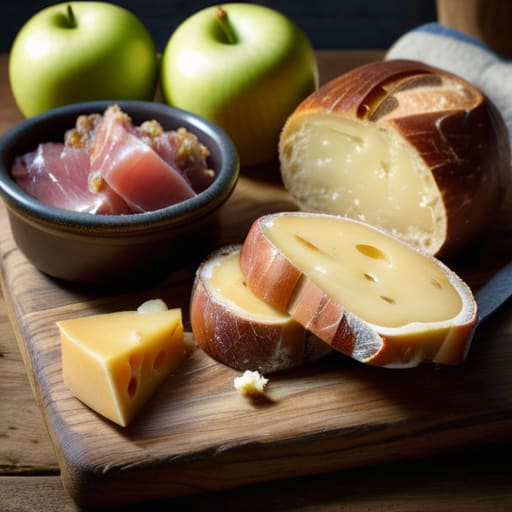
When you sit down with a plate like this, remember that there isn’t a single wrong way to do it, provided you don’t reach for the supermarket pre-sliced stuff. You want a loaf with a bit of weight to it, a cheese that has actually spent some time maturing in a larder, and a chutney that isn’t just sugar and food colouring. It is about the balance between the sharp bite of an extra mature Cheddar and the sweetness of a well-made onion marmalade. If you’ve followed the steps, you’ll find that the quality of the individual ingredients does all the heavy lifting for you, leaving you with very little actual work to do.
At the end of the day, a ploughman’s lunch isn’t about showing off in the kitchen or following a strict set of rules. It is about taking a moment to appreciate things that are made properly and meant to be enjoyed without any fuss. Whether you are eating it on a bench overlooking the valley or just at your own kitchen table after a long afternoon of gardening, it is a reminder that the simplest things are often the best. So, grab a napkin, find a bit of shade, and enjoy what you’ve put together. You’ve earned it.
Frequently Asked Questions
Do I really need to serve the cheese at room temperature, or can I just take it straight from the fridge?
Now, I know what you’re thinking—you’ve just finished the washing up and want to sit down. But if you take a sharp Cheddar straight from the fridge, you’re missing half the point. Cold temperatures mask the fats and the oils that carry the flavour. Leave it on the counter for about thirty minutes before you serve it. It won’t melt, don’t worry, but it will actually taste like something.
If I can't find a proper local bakery, is a decent sourdough from the supermarket actually going to do the job?
Look, I’ve spent enough time inspecting damp walls to know that if the foundation is weak, the rest won’t hold. The same goes for your lunch. If you can’t get to a proper bakery, a supermarket sourdough can work, provided it isn’t that soft, airy stuff that collapses under a bit of pressure. Look for a loaf with a proper, thick crust and a bit of a tang. It won’t beat a local bake, but it’ll do the job.
How much pickled onion is too much before the whole plate tastes like vinegar?
Now, don’t go treating those pickled onions like sweets. I’ve seen a plate ruined by too much vinegar, and it’s a crying shame when you’ve spent good money on a sharp cheddar. Aim for three or four small ones to act as little palate cleansers between bites of bread and cheese. If you start seeing a vinegar sheen on the crust of your loaf, you’ve gone too far. Balance is everything.