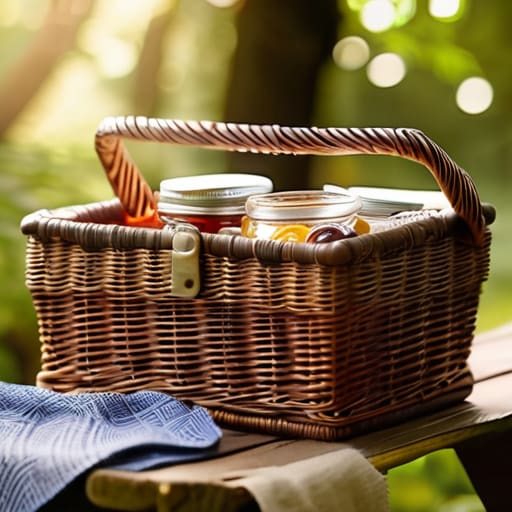
I saw a spread in the local magazine last week—all tiny, expensive little sandwiches with the crusts cut off and those fancy little jars of chutney that cost more than a decent bottle of cider. It got me thinking about how much nonsense people believe about how to make a picnic actually worthwhile. If you spend two hours preparing delicate finger foods only to have a rogue wasp descend upon them or a sudden Hampshire drizzle turn your sourdough into a sponge, you haven’t had a picnic; you’ve just had an expensive outdoor mess.
I’m not interested in culinary theatre or anything that requires a silver fork and a linen napkin. What I want to share is the practical reality of eating well while sitting on a damp patch of grass near the old mill. I’ll show you how to pack food that actually stays edible in a wicker basket and, more importantly, how to pick a spot that isn’t a muddy bog. This isn’t about perfection; it’s about simple, sturdy food and knowing exactly which lane leads to the best view without the crowds.
Table of Contents
Easy Picnic Meal Prep That Actually Works

The trick to a decent spread is avoiding anything that requires a knife and a steady hand while sitting on a lumpy blanket. I’ve spent too many afternoons watching people struggle with lukewarm pasta salads that have turned into a single, unmanageable mass. Instead, focus on easy picnic meal prep that relies on sturdy, handheld items. Think crusty sourdough sandwiches with thick fillings—nothing too watery that’ll make the bread go limp before you’ve reached the top of the hill—or a selection of savoury tarts. I usually prep a few small quiches the night before; they hold their shape well and don’t mind being eaten at room temperature.
Logistics matter more than you think, too. If you’re heading out to one of the best picnic locations around the Downs, you aren’t going to find a fridge waiting for you. I’ve learned the hard way that keeping food cold outdoors requires more than just a thin bag of ice from the petrol station. Invest in proper insulated bags and use frozen water bottles as your ice packs; they keep the sandwiches chilled and give you something cold to drink once they’ve thawed. Stick to portable snack containers that clip shut properly, or you’ll spend your afternoon chasing rogue olives through the long grass.
Portable Snack Containers for the Long Walk
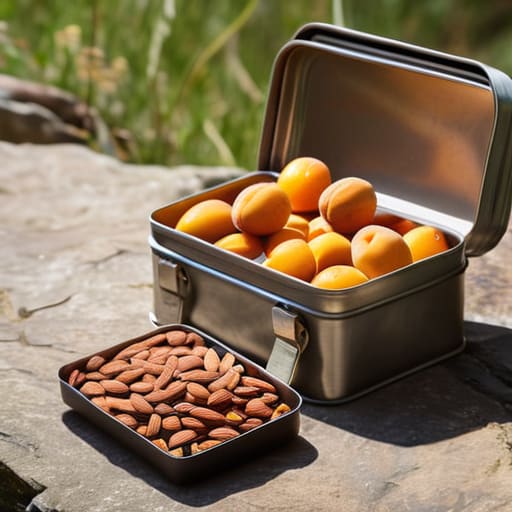
Now, if you’re anything like me, you’ve likely spent half your afternoon digging through the bottom of a rucksack for a single, squashed digestive biscuit. It’s a nuisance. I’ve found that relying on flimsy plastic bags is a recipe for disaster, especially if you’re heading out toward the ridge where the wind tends to pick up. Instead, invest in some proper portable snack containers—the kind with a clip that actually stays shut. I use a few old-fashioned metal tins for my nuts and dried fruit; they don’t crack if you drop them on a stone path, and they keep everything from turning into a communal mess in the bottom of your bag.
If you are planning to trek a bit further to reach the best picnic locations—like that lovely stretch of meadow just past the old mill—you’ll want to think about weight and durability. Hard-shell containers are your best friend here. They prevent your grapes from becoming a sticky situation and keep your savoury bits separate from the sweets. It’s a small bit of kit to add to your picnic basket checklist, but it saves a lot of frustration when you finally sit down to eat.
A Few Practical Lessons from Thirty Years of Outdoor Lunches
- Forget the heavy ceramic plates your mother used; find some sturdy, reusable containers that actually clip shut. I’ve seen too many sandwiches end up as a squashed mess at the bottom of a wicker basket because someone thought a paper bag was sufficient.
- Check the ground before you commit. I spent twenty minutes last Tuesday trying to enjoy a pork pie on a patch of grass that looked dry but turned out to be a sponge for the morning dew. If you aren’t sure, bring a waterproof groundsheet—it’s better than sitting on your damp trousers.
- Watch the wind. It doesn’t matter how much food you’ve prepared if a sudden gust from the west sends your napkins and light crisps flying halfway across the meadow. Bring a few heavy stones or even a couple of well-weighted mugs to keep things in place.
- Don’t forget the rubbish. I’ve walked many a path from the village towards the downs, and it’s a crying shame to see a lovely spot littered because someone thought the wind would take their wrappers away. Always pack a dedicated bag for your scraps; it takes ten seconds to tie it shut and carry it back to the bin by the car park.
- Keep the drinks cold, but keep them heavy. If you’re walking more than a mile from the car, don’t lug a massive cooler box. Use a smaller insulated bag and freeze a couple of water bottles overnight; they act as ice packs for your sandwiches and give you cold water to drink once the sun actually decides to show itself.
A Few Final Bits of Advice
Check the weather forecast twice—not just for rain, but for that sudden wind that’ll turn your paper plates into kites before you’ve even finished your sandwich.
Don’t forget a proper rubbish bag; I’ve seen far too many lovely spots by the river looking like a tip because someone thought the wind would carry their wrappers away.
Pack a sturdy blanket that actually keeps the damp out, because if you sit on a thin sheet over wet grass, you’ll be shivering before the tea is even cold.
## The Real Secret to a Good Spread
A picnic isn’t about how many fancy cheeses you can cram into a wicker basket; it’s about making sure you haven’t packed anything that turns into a soggy mess the moment the humidity rises or the wind picks up near the ridge.
Gordon Ellery
A Final Word Before You Set Off
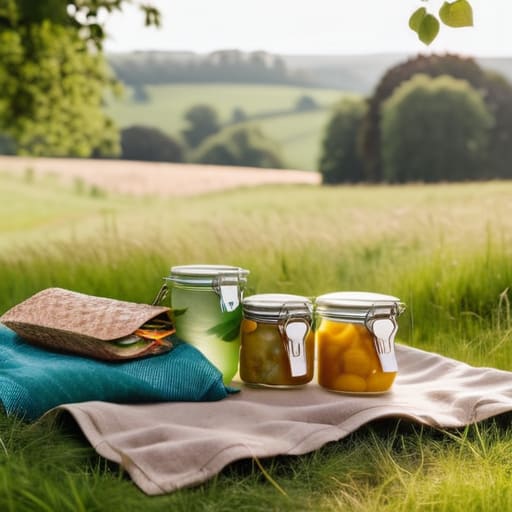
At the end of the day, a decent picnic isn’t about having a spread that looks like something out of a magazine; it’s about avoiding the frustration of soggy sandwiches or a bag of crisps that’s been crushed into dust by the time you reach the top of the hill. If you’ve managed to prep your food properly and you’ve chosen containers that won’t leak in your rucksack, you’ve already done the hard part. Remember to pack enough real sustenance so you aren’t hunting for a village shop an hour later, and make sure you’ve brought a sturdy blanket that can actually handle the dampness of a Hampshire meadow. It is the practical details that turn a lovely idea into a successful afternoon.
I’ve spent a fair portion of my life walking these lanes, and I can tell you that the best views are rarely found in a guidebook. They are found in the quiet moments, sitting on a bit of dry grass, watching the light change over an old flint wall or a thatched roof. A picnic is simply an excuse to stop rushing for a moment and actually be present in the landscape we live in. So, pack your bag, find a spot that isn’t too wind-swept, and enjoy the stillness. You’ll find it’s worth much more than the sum of the sandwiches.
Frequently Asked Questions
What’s the best way to keep things cold without lugging around a heavy, clunky cooler box?
If you’re heading up towards the ridge, you’ll find a heavy cooler box is more of a burden than a benefit. Skip the plastic tubs. Instead, use a proper insulated thermal bag; they’re much lighter and easier to sling over your shoulder. Pack your frozen water bottles at the bottom—they act as ice packs for the first hour and then become your cold drinks once the thaw sets in. It’s sensible, simple, and keeps your hands free.
Are there any particular spots around the village that are actually easy to walk to without tripping over tree roots?
If you’re looking to avoid the trip hazards, steer clear of the old bridleway behind the rectory; those oak roots have been lifting the path since the mid-seventies. Instead, head down towards the meadow by the old mill. The track there is well-maintained and stays relatively level. It’s about a twenty-minute stroll from the village green, and the ground is firm enough that you won’t spend your afternoon looking at your feet.
How do I stop the flies and midges from making a meal out of everything on the blanket?
The trick isn’t in some fancy spray; it’s about where you sit and what you bring. If you’re heading down toward the marshy bits by the old mill, you’re asking for trouble. I always bring a small battery-operated fan; it’s too much wind for a midge to fly through. Also, keep the fruit covered. Once a peach is open, they’ll find it. Stick to things that don’t smell too sweet, and you’ll be fine.