
I was out by the old stone boundary wall last Tuesday—the one we rebuilt back in ’94, though the mortar’s gone a bit soft since—and I found myself huffing like a broken bellows just from lifting a single limestone slab. It struck me then how much nonsense is being sold to us about fitness. You see these glossy magazines claiming you need a subscription to a high-tech gym or a room full of chrome pulleys to stay capable, but that’s just expensive distraction. The truth about how to build strength at home is far less complicated than a sales pitch; it’s about using what you’ve already got and having the discipline to actually do it.
I’m not here to sell you a lifestyle or a fancy gadget that’ll end up gathering dust in the garage next to the lawnmower. Instead, I want to share what has worked for me, from moving heavy buckets of garden mulch to using my own body weight to keep the joints moving. I’ll show you how to get properly fit using nothing more than a bit of floor space and some plain old grit. No fluff, no jargon—just the practical reality of staying strong enough to live your life.
Table of Contents
A Minimalist Home Gym Setup for Real Results
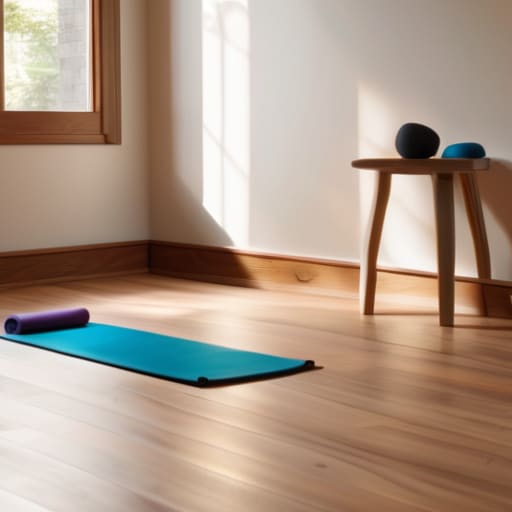
You don’t need to turn your spare room into a warehouse of clanging iron to see a difference. I’ve seen plenty of people buy a mountain of equipment only for it to become a very expensive drying rack for their towels. For a proper minimalist home gym setup, I’d suggest starting with just a sturdy chair, a doorway, and perhaps a set of resistance bands. If you have a bit of floor space—enough to lie down without hitting the radiator—you have more than enough to get moving.
The trick isn’t having the heaviest dumbbells; it’s about how you use what you’ve got. If you’re working with just your own body weight, you’ll need to focus on calisthenics for beginners to keep things steady. Once a movement feels easy, you don’t necessarily need more gear; you just need to make the movement harder, whether that’s slowing down the descent or adding an extra repetition. That is the essence of progressive overload at home, and it’s far more effective than owning a machine you’re too intimidated to use.
Calisthenics for Beginners Finding Grit in Your Living Room
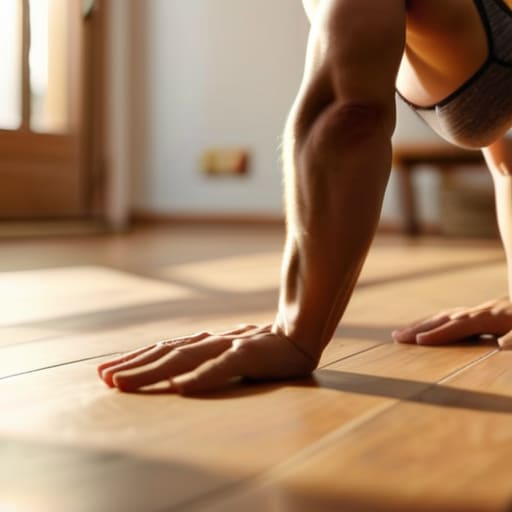
Now, don’t let the word ‘calisthenics’ put you off; it sounds far more complicated than it actually is. It’s really just a fancy way of saying you’re using your own body as the resistance. I’ve spent many a Saturday afternoon wrestling with dry stone walls, and I can tell you, that’s essentially what you’re doing here—moving your own weight from A to B. For anyone looking into calisthenics for beginners, the best place to start is the floor right in front of your sofa. Push-ups, squats, and lunges aren’t flashy, but they are the bedrock of anything meaningful.
The trick to making this work, though, is what the gym crowd calls progressive overload at home. You can’t just do ten repetitions every day and expect your body to change; you have to make it harder. Once a standard push-up feels as easy as walking to the post office, you move to a harder variation or slow the movement down. It’s about that steady, incremental challenge that builds strength training for longevity, ensuring you can still lift a heavy bag of compost well into your eighties.
A few practicalities for when you aren't heading to the leisure centre
- Don’t go chasing expensive gadgets from a catalogue; a heavy bag of garden grit or a sturdy kitchen chair will do more for your squats and step-ups than most of the plastic nonsense you’ll find online.
- Consistency beats intensity every single time, and I mean that—it is better to do fifteen minutes of movement on a Tuesday afternoon than to attempt an hour-long session once a fortnight and spend the rest of the week nursing a sore back.
- Watch your footing on those lino floors; if you are doing anything involving movement, make sure you aren’t on a rug that’s prone to sliding, or you’ll find yourself doing an unplanned impression of a falling timber.
- Use the stairs to your advantage, especially if you live in one of those lovely older cottages with the steep, narrow flights; walking up and down them a few times a day is better conditioning than any treadmill.
- Listen to your joints, not your ego; if a movement feels “wrong” in your knee or shoulder, stop immediately and find a different way to do it, because a bit of pride isn’t worth a month on the mend.
A few things to remember before you start
Don’t go out and buy a mountain of equipment; a sturdy chair and a heavy bag of flour will do more for you than a half-used set of dumbbells gathering dust in the corner.
Consistency matters more than intensity, so it is better to do twenty minutes of movement three times a week than to exhaust yourself for an hour and not bother again for a month.
Listen to your joints, not your ego; if a movement feels wrong in your knees or your back, stop and find a different way to do it, because a minor tweak isn’t worth the trouble.
On the necessity of movement
You don’t need a room full of polished chrome machines to stay fit; you just need enough floor space to move and the discipline to treat your own body like a structure that requires regular maintenance.
Gordon Ellery
Getting on with it
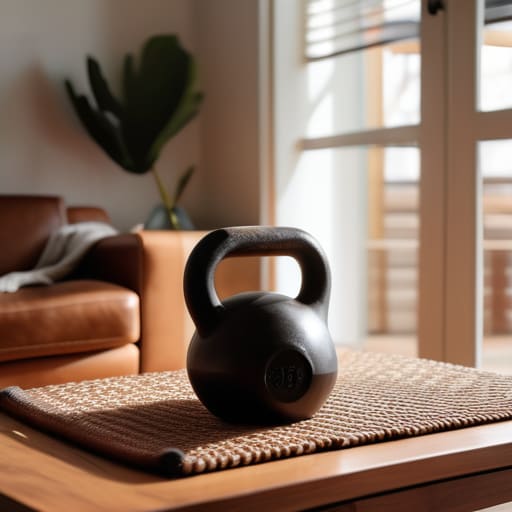
At the end of the day, you don’t need a sprawling garage converted into a high-tech fitness studio to see a difference in how you move. We have covered the basics: a few sturdy kettlebells or even just a heavy bag of garden grit can serve as your equipment, and your own body weight is the most reliable tool you will ever own. Whether you are using the floor space between the sofa and the coffee table for some calisthenics or setting up a small corner for resistance work, the principle remains the same. It is about consistency over complexity. You don’t need to master a hundred different movements; you just need to pick a few that work and do them when the house is quiet and the kettle is boiling.
I have spent thirty years looking at the foundations of houses, and I can tell you that nothing stays standing without regular maintenance and a bit of care. Your body is much the same. It isn’t about chasing some impossible standard of fitness you see in a glossy magazine; it is about ensuring you can still carry your own groceries up the lane or lift a grandchild without a groan. Start where you are, with what you have, and don’t worry about doing it perfectly. Just show up for yourself, one rep at a time, and the strength will follow in its own time.
Frequently Asked Questions
I don't have much room in the spare room, so how can I fit this gear without tripping over it?
Look, I’ve spent thirty years measuring floor plans, and I know a cramped spare room when I see one. You aren’t going to fit a squat rack in there. Instead, keep it vertical. Get a sturdy, wall-mounted rack for your resistance bands or a small basket for your kettlebells. If you use a yoga mat, roll it up tight and tuck it into the corner behind the door. If it’s not in your way, you’ll actually use it.
Is it actually worth buying any weights, or am I better off just sticking to my own body weight?
Look, I’ve spent years assessing properties, and there is a big difference between a solid foundation and a bit of decorative cladding. Bodyweight exercises are your foundation—they’re essential. But if you want to actually build muscle, you eventually need resistance. You don’t need a rack of dumbbells from a catalogue, though. A single, heavy kettlebell or even a couple of five-litre water jugs will do the job once the push-ups get too easy.
How often am I supposed to be doing this before I start feeling like I've overdone it?
Listen, I’ve seen enough people try to rebuild a garden wall in a single weekend only to end up with nothing but a sore back and a pile of rubble. Don’t do that to your body. Aim for three days a week to start. If you’re waking up feeling like you’ve gone ten rounds with a heavy oak door, you’ve overdone it. Rest is just as important as the work itself.