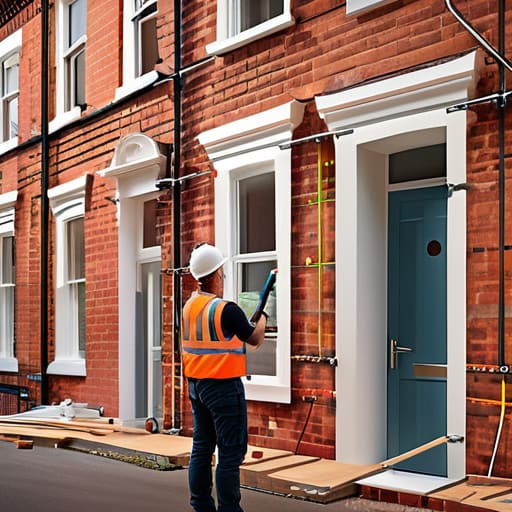
I remember standing in a narrow garden in Upper Wootton back in ’94, watching a man in a very expensive suit explain to a terrified couple that they needed a mountain of paperwork just to fix a leaning fence. He was talking in circles, using words that sounded more like Latin than English, and charging them by the minute. People often get themselves into a right state thinking that understanding what is a party wall agreement requires a law degree and a massive bank balance. It doesn’t. It’s really just about common sense and making sure you don’t accidentally crack your neighbour’s plasterwork while you’re busy upgrading your own kitchen.
I’ve spent thirty years valuing houses and walking through half-finished extensions, so I’ve seen exactly where the cracks—both literal and metaphorical—tend to appear. I’m not here to give you a lecture or sell you a premium legal service; I just want to tell you how it actually works on the ground. I’ll explain the essential bits you need to know so you can get your building work started without ending up in a bitter row over the garden hedge.
Table of Contents
- The Party Wall Act 1996 Explained for Real People
- Notifying Neighbours About Building Works Without Losing Sleep
- Five ways to keep the peace (and your deposit) when building near the boundary
- The short version for those in a hurry
- More than just a bit of paperwork
- A bit of advice before you pick up the sledgehammer
- Frequently Asked Questions
The Party Wall Act 1996 Explained for Real People

Now, I’m not a solicitor, but I’ve spent enough time in parish council meetings to know that the Party Wall Act 1996 isn’t just some bit of red tape designed to slow you down. It was actually put in place to stop the sort of neighbourly feuds that last decades. Essentially, if you’re planning on digging near a shared foundation or cutting into a shared wall—say, to put in a new window or a loft conversion—the law says you can’t just crack on. You have a duty of notifying neighbours about building works well in advance. It’s about making sure everyone knows what’s happening before the dust starts flying.
Once you’ve served your notices, you enter the party wall award process. This isn’t a court order, but a formal document that outlines how the work will be done and, crucially, what condition the surrounding structures were in before you started. It’s your best insurance against someone claiming your extension caused a crack in their kitchen ceiling three months later. It might feel like a bit of a faff, but having that paperwork in place is the only way to truly keep the peace.
Notifying Neighbours About Building Works Without Losing Sleep

Now, I know what you’re thinking. The idea of knocking on a neighbour’s door to tell them you’re about to start digging near their foundations is enough to make anyone’s stomach turn. We’ve all been there—you want to extend the kitchen or add that much-needed loft conversion, but you don’t want to be “that person” who starts a feud over a shared boundary. The trick to notifying neighbours about building works without the dread is to do it early and with a bit of transparency. Don’t wait until the skips are arriving on the lane; a quiet word over the garden fence or a polite note through the letterbox a few weeks ahead makes a world of difference.
If you approach it as a courtesy rather than a confrontation, you’ll find most folk are quite reasonable. Explain what you’re doing, show them a basic sketch of the plans, and reassure them that you’ve looked into the legal requirements for boundary walls. It’s much better to have a chat about the project now than to be arguing about cracks in their plasterwork six months down the line. A little bit of early communication is usually the best way to keep the peace and ensure everyone knows exactly what to expect.
Five ways to keep the peace (and your deposit) when building near the boundary
- Don’t wait until the skip is on the drive to tell your neighbour. If you’re planning on digging foundations or even just putting up a new fence near the line, give them a heads-up over a cup of tea first. It’s much harder to be cross with someone who’s been polite from the start.
- Get a surveyor who knows the local ground. I’ve seen too many people hire the cheapest person they can find, only to end up with a report that wouldn’t hold up in a village hall meeting. You want someone who understands how the clay in this part of the county actually behaves when you start digging.
- Take photos of everything before you start. I mean it—walk the boundary line with your camera and snap the condition of the neighbour’s wall, their garden path, and even their shed. If a crack appears six months later, you’ll want proof whether it was there in 1990 or caused by your new extension.
- Understand that “consent” isn’t the same as “agreement.” Your neighbour might be happy to let you work, but that doesn’t mean they’ve waived their right to a formal surveyor’s award. If they don’t sign the notice, you’ll need to appoint an independent surveyor to settle things properly.
- Budget for the surveyor’s fees, not just the builder’s. A lot of folks forget that if you trigger the Party Wall Act, you’re usually the one picking up the tab for the surveyor’s time. It’s a necessary cost, but it’s better to account for it now than to be staring at a shortfall when the roof goes on.
The short version for those in a hurry
Don’t assume you can just crack on; if you’re working on a shared wall or digging near a neighbour’s foundations, you legally must give them notice first.
A formal agreement isn’t about being difficult—it’s your insurance policy to prove you didn’t cause that crack in their plaster that appeared six months later.
If you and your neighbour can’t agree on the details, get a surveyor in early to settle it properly, rather than letting a dispute fester over the garden fence.
More than just a bit of paperwork
“A party wall agreement isn’t just a legal box-ticking exercise to satisfy the council; it’s the best insurance policy you’ve got for keeping things civil. I’ve seen more village feuds start over a cracked plasterboard than I have over politics, and most of them could have been avoided if someone had simply sat down with a surveyor and a formal agreement before the first sledgehammer swung.”
Gordon Ellery
A bit of advice before you pick up the sledgehammer

At the end of the day, a party wall agreement isn’t just some bit of red tape designed to slow you down; it is your safety net. You now know that whether you are digging foundations for a new extension or slicing into a shared chimney breast, the 1996 Act is there to ensure everyone knows exactly where they stand. Remember, it’s about getting that formal notice out early, choosing the right surveyor if things get complicated, and—most importantly—keeping the paper trail tidy. If you follow the process, you won’t find yourself in a heated discussion over a garden fence three years down the line when a crack appears in someone else’s plaster. Doing it right the first time saves you more than just money; it saves your sanity.
I have seen plenty of renovations turn sour, not because the building work was poor, but because the relationship with the person next door was neglected. A house is a significant investment, but a good relationship with your neighbours is worth far more than any bit of brickwork. Treat the agreement as a way to show respect for the people living alongside you, and you’ll find the whole process much smoother. Build your walls strong, but keep your fences low and your communication open. That is how you build a home that lasts, and a community that actually works for everyone.
Frequently Asked Questions
What happens if my neighbour simply refuses to sign the notice or won't respond to me?
If they won’t sign or, worse, they ignore your letter entirely, don’t panic—but don’t just start hammering away either. Silence is technically a “dispute” under the Act. You’ll need to appoint a surveyor to step in and resolve things formally. It costs a bit more, mind you, but it’s much cheaper than a legal battle over a cracked lintel. It’s better to get a professional to mediate than to let resentment fester over the garden fence.
How much is this actually going to cost me in surveyor fees and legal paperwork?
Now, don’t go expecting a fixed price from anyone. It varies. If you and your neighbour are on speaking terms and can agree on a schedule of works, you might get by with a simple letter and a few hundred pounds in surveyor fees. But if things turn sour and you need formal surveyors to act as ‘Agreed Surveyors’, you’re looking at £1,000 to £2,000 each. It’s better to pay for a professional now than a solicitor later.
Do I really need an agreement for small jobs like putting up a fence or a single loft conversion?
Now, I know what you’re thinking—it’s just a bit of timber or a few rafters, isn’t it? But there’s a distinction. A new fence on the boundary line usually doesn’t trigger the Act, provided you aren’t digging deep foundations right against their garden. However, a loft conversion? That’s a different kettle of fish. If you’re cutting into a shared structure or altering a party wall to support the new floor, you’ll need that agreement. Better safe than sorry.