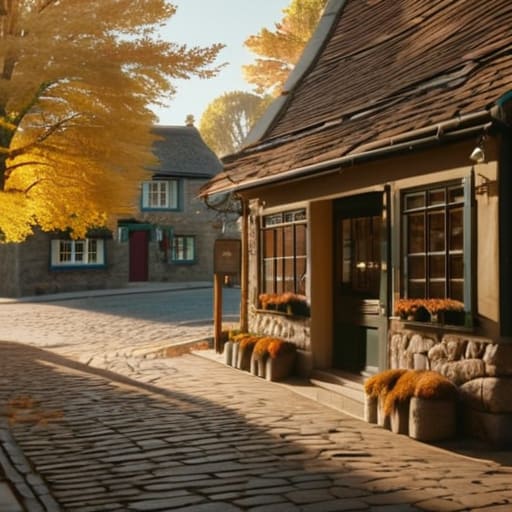
I sat in the Red Lion last Tuesday—the one with the 17th-century timber framing and that slightly wonky floorboard near the hearth—and listened to a young man from the district council talk about “diversifying revenue streams” and “leveraging digital engagement.” It made my teeth ache. You don’t save a community asset by installing a high-speed Wi-Fi zone or a fancy avocado toast menu; you save it by making sure the ale is cold, the landlord knows your name, and the heating actually works when the frost hits the Wiltshire border. If we keep treating how to save a village pub like a corporate restructuring exercise, we’re going to find ourselves sitting in a very quiet, very empty room with nothing but a fancy espresso machine to talk to.
I’m not here to give you a business school lecture or a list of expensive consultants to hire. I’ve spent thirty years valuing properties and even longer sitting in parish meetings, and I know that the real work happens on the ground. In the following pages, I’m going to share what actually keeps the doors open, from the nitty-gritty of community ownership to the simple, practical ways to get the neighbours to actually show up.
Table of Contents
- More Than a Pint How to Save a Village Pub
- Crowdfunding for Local Pubs Reclaiming Our Shared Living Room
- Protecting Local Community Assets Before the Lights Go Out
- From Empty Barrels to a Living Heartbeat
- Drafting a Community Owned Pub Business Plan That Works
- The Reality of Community Interest Company Formation
- Five Practical Ways to Keep the Taps Running
- The Essentials for Keeping the Doors Open
- The True Cost of a Locked Door
- The Final Word on Our Local
- Frequently Asked Questions
More Than a Pint How to Save a Village Pub

It usually starts with a “For Sale” sign appearing in the window, often right after a change in the beer prices or a particularly quiet Tuesday. When that happens, the instinct is to panic, but panic won’t pay the brewery’s rates. If the village wants to keep its heartbeat, you have to move from being customers to being stakeholders. This often means looking seriously at community interest company formation. It sounds a bit dry—and it is—but it’s the legal backbone that allows a group of neighbours to actually own the bricks and mortar rather than just renting a table.
You can’t just wing it with a collection of loose change in a biscuit tin, either. To make it work, you need a proper community owned pub business plan that accounts for the reality of rising energy costs and the fact that the local footfall isn’t as high on a Monday morning as it was in 1985. Whether you are looking at various pub buyout funding models or pulling together a bit of crowdfunding, the goal is the same: turning a liability into a shared asset that belongs to the people who actually walk through the door.
Crowdfunding for Local Pubs Reclaiming Our Shared Living Room
Now, I’ve seen plenty of people suggest a bit of crowdfunding when the coffers run dry, and it’s a fine idea in theory. It isn’t just about raising a few hundred pounds for a new draught line or a lick of paint on the exterior; it is about demonstrating skin in the game. When twenty families in the parish each chip in a small amount, it sends a clear signal to the council and the banks that this building isn’t just a commercial liability—it is a community necessity.
However, don’t mistake a one-off digital collection for a long-term business plan. You can’t pay the electric bill or the rates with goodwill alone. If you’re going to go down the crowdfunding route, ensure the money is tied to a specific, tangible goal, like fixing that leaking roof over the snug or upgrading the kitchen equipment. A community-funded pub must still be a viable business, or you’ll find yourself back in the same position by next winter.
Protecting Local Community Assets Before the Lights Go Out
The trouble with waiting until the “For Sale” sign goes up is that by then, the damage is already done. I’ve seen it too many times during my years valuing properties: once a community asset like a pub or a post office is written off, it rarely comes back in the same form. It usually becomes a collection of luxury apartments or a quiet driveway. We need to be proactive, looking at the structural health of our local institutions long before the ledger turns red. This means supporting the small things—the Tuesday night quiz or the Sunday roast—that keep the footfall steady.
It is about building a buffer of goodwill and regular patronage. If we treat the pub as a luxury rather than a necessity, we shouldn’t be surprised when the doors finally lock. We must act while the business is still viable, ensuring there is a reason for the landlord to keep the fires lit and the beer flowing.
From Empty Barrels to a Living Heartbeat
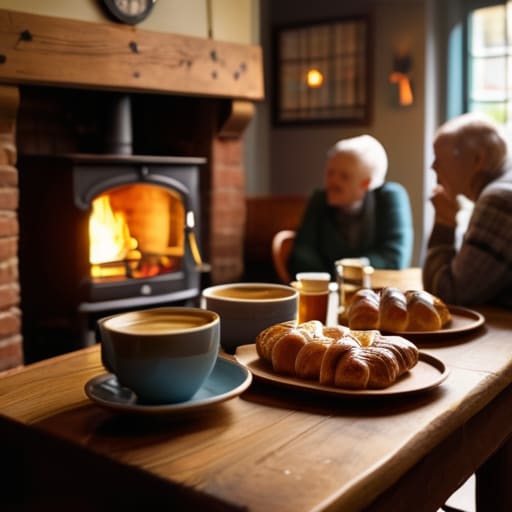
It isn’t enough to simply keep the doors unlocked; you have to make sure there is something worth walking through them for. I’ve seen too many successful crowdfunding campaigns result in a pub that looks lovely but feels hollow because the business model wasn’t robust. To truly move from empty barrels to a living heartbeat, you need a solid community owned pub business plan that accounts for more than just Friday night regulars. You have to think about the Tuesday morning coffee crowd, the Wednesday afternoon playgroup, and the Sunday roast that brings the whole parish together.
Success usually lies in the details of how you structure the ownership. Many villages find that community interest company formation provides the necessary framework to manage funds transparently and keep the asset in the hands of the locals rather than a distant corporation. It is about building a business that serves the people, not just a balance sheet. If you can turn that pub into a multi-purpose hub—a post office, a library, or a meeting space—you aren’t just saving a building; you are ensuring the village has a reason to keep breathing.
Drafting a Community Owned Pub Business Plan That Works
Now, don’t go thinking a business plan is just a stack of papers to satisfy a bank manager. I’ve seen enough commercial valuations over the years to know that a plan built on wishful thinking is as sturdy as a dry stone wall built without a proper foundation. You need to look at the hard numbers: the cost of heating a draughty Victorian building in January, the price of a keg, and exactly how many locals need to walk through that door every Tuesday to keep the lights on. It isn’t about being optimistic; it is about being painfully realistic regarding your overheads.
You must also account for the “community” element in your projections. A pub isn’t just a place to drink; it’s a multipurpose space. If your plan only relies on Friday night pints, you’ll be out of business by Easter. You need to map out how the space serves the village during the day—perhaps a coffee morning for the retirees or a workspace for those working from home. A successful plan treats the pub as a multi-functional village asset, ensuring there is a reason to visit even when the sun is up and the beer is still in the cellar.
The Reality of Community Interest Company Formation
Now, if you’ve been listening to the parish council meetings lately, you’ll have heard the term “Community Interest Company” tossed around like a lifeline. It sounds terribly official, doesn’t it? But in plain English, it’s just a way to run the pub so that the profits go back into the building rather than into some shareholder’s pocket in London. It’s a sensible bit of kit, but don’t let the paperwork fool you; it requires a level of meticulous record-keeping that would make a chartered surveyor sweat. You aren’t just deciding who gets the draught ale anymore; you are effectively becoming a board of directors.
It is a significant step up from simply chipping in for a new keg. To make a CIC work, you need a group of people willing to sit in a drafty village hall on a Tuesday night and actually look at the accounts. It isn’t just about passion; it’s about shared accountability. If you want the pub to stand for another fifty years, you need more than just well-wishers; you need people who aren’t afraid to sign a form and take responsibility for the plumbing when it inevitably fails.
Five Practical Ways to Keep the Taps Running
- Get the footfall moving early. A pub doesn’t survive on Friday nights alone; you need a reason for people to walk through the door on a Tuesday afternoon. Whether it’s a coffee morning for the retirees or a mid-week lunch club, a quiet pub is a dying pub.
- Check the bones of the building. Having spent thirty years looking at property, I can tell you that a leaking roof or a damp cellar will swallow your community fund faster than you can raise it. Before you invest a penny in new furniture, make sure the structure is sound.
- Don’t ignore the food, but don’t overreach. You don’t need a Michelin star, but you do need a decent Sunday roast and a menu that doesn’t require a degree in French to understand. Keep it simple, keep it local, and keep it consistent.
- Diversify the use of the space. If the bar is empty at ten in the morning, that room shouldn’t be sitting idle. Use it for a local post office service, a small bookshop corner, or even a workspace for those who work from home. A building that earns its keep is a building that stays open.
- Build a committee, not a cult. You cannot run a community pub on the shoulders of one or two enthusiasts; they’ll burn out by Christmas. You need a mix of people—someone who knows the books, someone who knows the village politics, and someone who actually knows how to pour a decent pint.
The Essentials for Keeping the Doors Open
Don’t wait for the “For Sale” sign to appear on the timber frame; by the time the brewery has officially pulled the plug, the window for community action has usually slammed shut.
A successful community pub isn’t just a hobby for a few enthusiasts, but a proper business that needs a realistic plan, a solid balance sheet, and more than just a fondness for a Friday night lager.
Moving from a pub owned by a distant corporation to a Community Interest Company is a steep hill to climb, but it is the only way to ensure the building serves the people living in its shadow rather than a shareholder in London.
The True Cost of a Locked Door
“A pub isn’t just a commercial enterprise with a beer license; it’s the village’s only neutral ground. You can try to replace that social glue with a community centre or a WhatsApp group, but once those heavy oak doors are bolted for the last time, you aren’t just losing a business—you’re losing the very thing that makes us a neighbourhood instead of just a collection of houses.”
Gordon Ellery
The Final Word on Our Local

We have covered a fair amount of ground here, from the legal intricacies of setting up a Community Interest Company to the unglamorous, necessary work of drafting a business plan that actually holds water. It isn’t just about raising a bit of cash through crowdfunding; it is about the structural backbone of the village. You need more than just good intentions to keep those doors swinging; you need a clear vision, a robust understanding of your local market, and the willingness to get your hands dirty with the administrative heavy lifting. If we want to move from the threat of a “For Sale” sign to a sustainable, community-owned model, we have to treat the pub not as a hobby, but as essential village infrastructure.
At the end of the day, a pub is much like a well-built dry stone wall—it requires constant, careful tending to ensure it doesn’t crumble under the weight of time and neglect. If we sit back and wait for someone else to fix the problem, we will eventually find ourselves walking past a silent, darkened building where laughter used to be. But if we step up now, we aren’t just saving a business; we are securing the very soul of our community. Let’s make sure that when the next generation walks down this lane, they find a living, breathing heart waiting for them at the end of the road.
Frequently Asked Questions
If we set up a Community Interest Company, who actually takes on the legal responsibility when something goes wrong, like a burst pipe or a licensing issue?
It’s a fair question, and one I’ve heard at many a parish meeting. When you form a Community Interest Company, the company itself is its own legal person. It holds the insurance and the licence. However, the directors you elect are the ones steering the ship. They carry the legal responsibility to act in the company’s best interest. If a pipe bursts at 2 a.m., it’s the directors who must ensure the repairs are handled.
How much of a monthly subscription or one-off donation do we really need from villagers to keep the beer flowing and the heating on?
It’s the question I get most at the post office. Don’t overthink it. If you aim for a monthly subscription, even £5 or £10 from fifty households covers the basics—the heating and the lights. For one-off donations, think of it as a “repair fund.” I’ve seen many a thatched roof or cellar pump fail unexpectedly. It isn’t about getting rich; it’s about building a buffer so a broken boiler doesn’t shutter the doors.
Once the community owns the building, how do we stop it from becoming a social club for the same ten people and actually get the younger families in the village to walk through the door?
The trick is to stop thinking of it as a “pub” and start seeing it as a village hub. If the only thing on the menu is a lukewarm bitter and a dartboard, you’ll only ever attract the regulars. You need to host the toddler playgroup on Tuesday mornings and maybe a decent wood-fired pizza night on Fridays. If the young families see it as a place for their kids to be safe and fed, they’ll come.