I remember standing in a drafty hallway in a converted barn near Chawton back in ’98, watching a young surveyor stare at a glossy brochure while ignoring the massive damp patch creeping up the north-facing wall. He was talking about “market trends” and “comparable assets,” but he wasn’t looking at the fact that the access track turns into a river every time we get a heavy downpour in November. People get so caught up in the glitz of high-ceilinged kitchens that they completely forget the fundamentals of how to value a rural property. You can have all the granite worktops in the world, but if the local post office has closed and the nearest bus stops running at 4:00 PM, you aren’t buying a lifestyle; you’re buying a very expensive isolation chamber.
I’m not here to give you a lecture on complex algorithms or fancy spreadsheets that don’t mean a lick of difference once you’re actually living there. Instead, I’m going to tell you what I learned from thirty years of walking through mud and measuring flint walls. I’ll show you how to look past the fresh coat of paint to see the real worth of a place—from the state of the drainage to the reliability of the neighbours.
Table of Contents
Appraising Acreage and Outbuildings You Can Actually Use
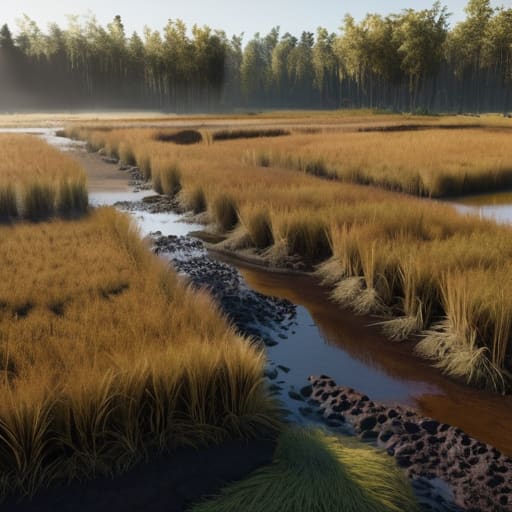
When you’re looking at a plot of land, don’t let a fancy map fool you. I’ve seen plenty of properties where the acreage looks substantial on paper, but once you’ve walked the perimeter, half of it is nothing more than a boggy patch of grazing that’s unusable for six months of the year. When appraising acreage and outbuildings, you have to look at the drainage and the soil quality. A field that stays dry in November is worth significantly more than one that requires a boat to navigate.
Then there are the sheds and barns. I’ve spent many a Saturday inspecting old stone outbuildings—most of them dating back to the mid-19th century—and the difference between a functional workshop and a pile of crumbling masonry is vast. You need to consider if the roof is sound and if the electrics are anything more than a relic from the sixties. It isn’t just about the footprint; it’s about the utility of the space. If a barn is too damp to store anything or too small for modern machinery, it’s little more than a liability on your balance sheet.
Water Rights and Land Value the Lifeblood of the Soil

Now, if you’re looking at a patch of green and thinking about its worth, you’d be a fool to ignore what’s running beneath the surface. I’ve seen plenty of beautiful, sloping meadows in the Test Valley that looked a treat on a sunny afternoon, only for the owner to realise they have no legal right to draw a drop from the stream running through them. When it comes to water rights and land value, the paperwork is often more important than the soil itself. If you don’t have the abstraction licenses or the riparian rights secured, that “scenic” acreage is little more than a very expensive view.
In my years of surveying, I’ve noticed that rural real estate market trends are shifting; people aren’t just buying dirt anymore, they are buying security. A property with a reliable borehole or a well-established irrigation setup carries a premium that no amount of pretty hedging can match. You can have the most impressive outbuildings in the county, but if the land is bone-dry by July, the value will plummet. Always check the local authority records and the historical flow of any watercourses before you sign anything.
Five things the survey report won't tell you
- Check the connectivity before you sign. I’ve seen grand old manor houses with thick stone walls that act like a Faraday cage; if you can’t get a decent broadband signal or a mobile bar in the kitchen, you aren’t buying a home, you’re buying a very expensive hermitage.
- Walk the boundaries when it’s raining. A field looks perfectly manageable in the July sun, but you need to know if that bottom paddock turns into a marshland every November, because a bog is a liability, not an asset.
- Look at the age of the roof, not just the tiles. I spent thirty years looking at rafters, and a quick glance will tell you if you’re looking at original Cotswold stone or a mid-century replacement that’s reaching its limit; one is character, the other is a massive bill.
- Assess the “social infrastructure” within a ten-minute drive. A property’s value isn’t just its bricks and mortar; it’s whether the local post office is still trading or if the bus service has been cut back to once a week, leaving you stranded.
- Inspect the outbuildings for actual utility. Don’t let a builder convince you a derelict shed adds value; unless the electrics are sound and the floor isn’t sinking into the silt, it’s just a place to store spiders rather than a workshop or a home office.
What to Keep in Mind Before You Sign
Don’t get blinded by the square footage of a barn or a field; if the access track turns into a river every time we get a heavy downpour in November, that land isn’t worth what the surveyor says it is.
Check the connectivity and the local services, because a beautiful stone cottage becomes a very expensive paperweight if you can’t get a decent mobile signal or if the nearest shop is a twenty-minute drive away.
Look past the pretty facades and inspect the bones—specifically the rooflines and the drainage—because fixing a structural issue in a house built in the 1840s will cost you far more than a modern build ever would.
## The True Cost of a View
You can buy a house with a view of the downs that looks like a postcard, but if the access track turns into a river every time we get a bit of rain in November, that view isn’t worth the price of the mud on your boots.
Gordon Ellery
The Final Survey
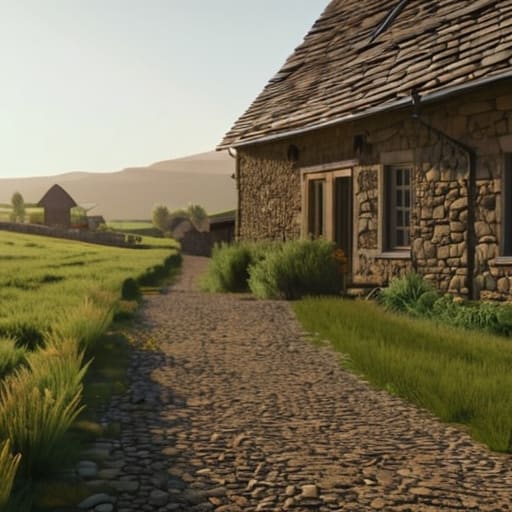
At the end of the day, valuing a rural property is a bit like assessing a dry stone wall; you can’t just look at the stones on top, you have to understand what’s holding them up from the ground. You have to account for the practicalities of the acreage, the condition of those timber-framed outbuildings, and whether the water rights are actually secure. If you ignore the infrastructure of daily life—the connectivity, the drainage, and the reliability of the local services—you aren’t looking at the true value, you’re just looking at a pretty picture on a brochure. A house might have beautiful Cotswold stone, but if the access track turns to soup every November, its market reality is quite different from its aesthetic appeal.
Ultimately, I’ve found that the most important figures never appear on a formal valuation report. You won’t find the value of a quiet lane or a helpful neighbour in a spreadsheet, yet those are the things that prevent a house from feeling like an isolated outpost. When you are looking to buy or sell, try to look beyond the bricks and mortar and see the community that breathes life into the landscape. A property is more than its square footage or its boundary lines; it is a place where life actually happens, and that sense of belonging is the only metric that truly stands the test of time.
Frequently Asked Questions
If a property has a large amount of land but the access track is barely wide enough for a tractor, how much does that actually drag down the valuation?
It’s a significant drag, to be blunt. I’ve seen beautiful plots of ten acres near Chawton that lost twenty percent of their potential value simply because the track was a single-track nightmare. If a modern delivery van or a fire engine can’t get through without scraping the hedgerows, you aren’t just buying land; you’re buying a logistical headache. It limits who can buy it, and in this market, limited interest means a lower price.
How much weight should I give to the condition of old stone barns if I have no intention of converting them into living space?
Don’t let a surveyor’s report scare you off entirely, but don’t ignore it either. Even if you aren’t planning on turning that 1840s tithe barn into a kitchen extension, its condition matters. A roof that’s letting the damp in will rot the timber frame faster than you can say “planning permission.” If it’s structurally sound, it’s an asset for storage or livestock; if the walls are bowing, it’s just a very expensive pile of rubble.
When looking at a house near a public footpath, does the extra privacy or the potential for foot traffic noise make a bigger dent in the price?
It’s a bit of a double-edged sword, isn’t it? I’ve seen cottages near the old bridleway where the view is worth every penny, but then you’ve got the Sunday morning hikers with their dogs barking at the gate. Generally, if the path is a well-trodden thoroughfare, it’ll shave a bit off the value due to the noise. But if it’s a quiet track used by locals, that sense of connection usually wins out.