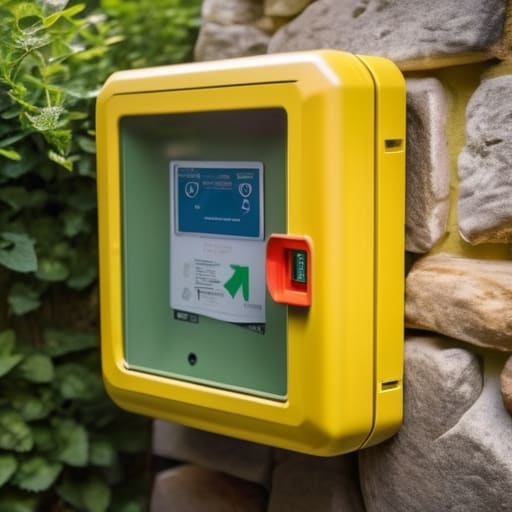
I was standing by the old stone wall near the cricket pavilion last Tuesday—the one we spent three weeks patching up after the autumn floods—when I saw a flyer for yet another “comprehensive safety initiative.” It’s the same old story: glossy brochures and jargon that makes a simple idea sound like a government white paper. People talk about a community defibrillator scheme as if it’s some grand, expensive architectural undertaking that requires a committee of twelve and a six-month feasibility study. It isn’t. It’s not about fancy branding or high-tech displays; it’s about having a box that works, tucked somewhere sensible, like next to the village shop or the post office, so a neighbour can reach it before the ambulance even clears the main road.
I’m not here to sell you on the politics of it or give you a lecture on civic duty. What I want to do is lay out the plain facts of what it actually takes to get one of these units on our streets without wasting everyone’s time or money. I’ll tell you where they actually belong, how much they really cost when the subsidies are sorted, and which models won’t fall apart after a single winter.
Table of Contents
- More Than Metal Finding the Right Aed Placement Strategy
- Securing the Funds Navigating Local Government Health Grants
- Five Practical Bits of Advice Before You Buy the Kit
- The Essentials for Getting it Right
- ## A Matter of Minutes and Meters
- A Small Investment for a Big Difference
- Frequently Asked Questions
More Than Metal Finding the Right Aed Placement Strategy
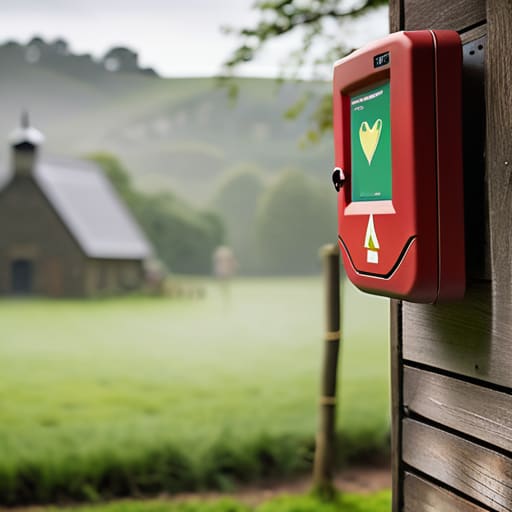
Now, you can’t just bolt a box to a lamp post and call it a day. If you want it to actually work when the heart stops, you need a proper AED placement strategy. I’ve spent enough time walking the lanes between the village hall and the old mill to know that distance matters more than you’d think. If a person collapses near the cricket pavilion, they shouldn’t have to trek three hundred yards through the mud to find help. You want that kit in a spot that is visible, accessible, and—most importantly—under a bit of cover. A machine left out in the driving rain of a Hampshire winter won’t do much good to anyone.
It’s also about the people standing next to the machine. Even the best piece of kit is just a heavy paperweight if nobody knows which button to press. That is why these community health initiatives have to include a bit of training for the locals. It isn’t about turning everyone into a doctor; it’s just about making sure the person at the post office or the lad delivering the milk feels steady enough to step in.
Securing the Funds Navigating Local Government Health Grants
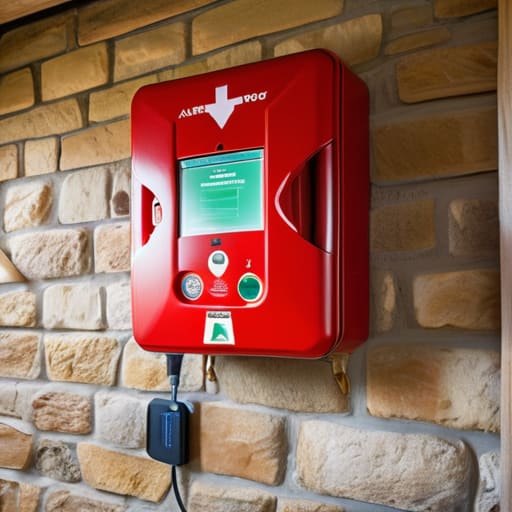
Now, I know what you’re thinking: where on earth is the money coming from? We can all agree that having a device sitting in the village hall is one thing, but paying for the unit and the ongoing upkeep is quite another. You’ll find that local government health grants aren’t as elusive as the 42 bus on a rainy Tuesday, provided you know where to look. Most councils have specific pots of money set aside for community health initiatives, but they won’t just hand it over because you asked nicely at the pub. They want to see a plan—a bit of paperwork that proves you aren’t just buying a shiny gadget to collect dust.
You’ll need to demonstrate how your chosen spot fits into a wider map of emergency cardiac response for the parish. It isn’t enough to say “it’s by the post office”; you need to show how it serves the lanes and the cottages further up the hill. If you can present a tidy bit of evidence showing how the device integrates with existing first aid awareness programs, you’ll find the grant officers much more inclined to sign off on the cheque. It’s a bit of a chore, I’ll grant you, but it’s much easier than trying to mend a dry stone wall with nothing but a blunt hammer.
Five Practical Bits of Advice Before You Buy the Kit
- Don’t just tuck it away in the village hall cupboard; it needs to be where people actually walk. If the post office is the heart of the village, that’s where it belongs, ideally in a cabinet that’s visible from the pavement.
- Check the batteries and the pads every few months, not just when you feel like it. I’ve seen plenty of equipment sit idle only to find the charge has gone flat when it was actually needed.
- You need more than one person who knows how to use it. It’s no good having a device if the only person trained is currently away on holiday in Spain. Get a few of the younger ones and the shopkeeper involved in a proper training session.
- Make sure the signage is clear and bright. If someone is in a panic, they aren’t going to be reading fine print on a wooden noticeboard; they need a high-visibility sign that tells them exactly which door to run to.
- Think about the weather. If you’re mounting a cabinet outside near the bus shelter, ensure it’s properly weather-proofed. I don’t want to see a damp, mouldy unit when the next person goes to reach for it.
The Essentials for Getting it Right
Don’t just tuck the kit away in a cupboard; it needs to be somewhere visible, accessible, and—most importantly—within a three-minute walk of where people actually gather, like the village hall or the post office.
Getting the money is only half the battle, so make sure you’ve factored in the cost of the annual battery checks and the pads, which expire just like the milk in the shop.
A machine is useless if no one knows how to use it, so aim to get a handful of neighbours trained up so the responsibility doesn’t fall solely on the shoulders of the one person who happened to be standing there.
## A Matter of Minutes and Meters
I’ve spent thirty years measuring floor plans and boundary lines, but when it comes to a cardiac arrest, the only measurement that matters is how many seconds it takes to get from the front door to that little plastic box on the wall. You can have the finest stone cottages in the county, but they don’t mean much if the help is ten minutes away instead of two.
Gordon Ellery
A Small Investment for a Big Difference
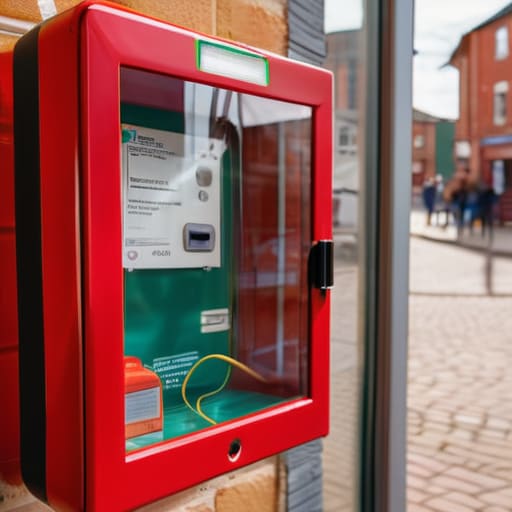
To bring it all together, getting a community defibrillator off the ground isn’t as daunting as it looks on paper, provided you approach it methodically. You need to pick a spot that is actually accessible—not tucked away behind a locked gate in the village hall—and you need to ensure the paperwork for those local health grants is filed before the deadline. It isn’t just about buying the box and hanging it on a wall; it is about the logistics of readiness, from the placement in a central shop window to ensuring the battery is checked every season. If you follow these steps, you move from simply having an idea to having a functional safety net for the parish.
At the end of the day, I’ve spent thirty years looking at the structural integrity of buildings, but a village’s true strength isn’t found in its flint walls or its thatched roofs. It is found in how we look out for one another when the unexpected happens. A defibrillator on the corner might look like a small, plastic piece of kit, but it represents something much larger: the collective decision that no one in our community should be left to face a crisis alone. It is a quiet, steady way of saying that we are looking after our own, and that is exactly what makes a village a home.
Frequently Asked Questions
Who actually takes the responsibility for checking the batteries and pads every month once the box is installed?
It’s a fair question, and it’s where many village schemes stumble. Usually, it falls to a designated volunteer—often someone from the Parish Council or a local resident with a bit of extra time. I’ve seen it work best when we assign a “station warden” for each unit. It shouldn’t be a burden, mind; it’s a five-minute walk to check the status light and the expiry dates on the pads. Simple, but vital.
If we put one in the village hall, will the local volunteers be willing to undergo the training, or is it just going to sit there gathering dust?
It’s a fair question, and one I’ve heard at three different parish meetings this year. If you tuck it away in the village hall, you can’t just leave it to the dust. I’ve seen plenty of equipment gather cobwebs because nobody felt “qualified.” The trick isn’t just buying the box; it’s getting the post office regulars and the hall committee to do a quick training session. Once they’ve held it, they’ll look after it.
Is there a specific type of cabinet we should be looking at to make sure it's visible enough but also protected from the damp?
You’ll want an IP55-rated cabinet—that’s the technical bit for keeping the damp out. I’ve seen too many units in the village succumb to condensation because they weren’t properly sealed. Look for something with a clear, polycarbonate window; if you have to squint to find the AED, it’s useless in a hurry. Mount it about chest height on a sturdy post or a solid brick wall, ideally near the village hall or the shop.