I spent thirty years inspecting the structural integrity of houses, from the flint-walled cottages in the Test Valley to the newer builds out near Salisbury, and if there is one thing I know, it is that a solid foundation is everything. The same applies to a Sunday roast. I see people these days buying those expensive, little foil packets filled with nothing but salt and dehydrated starch, acting as if they’ve discovered some culinary secret. It’s nonsense. If you want to learn how to make gravy from scratch, you don’t need a supermarket aisle full of chemistry experiments; you just need a bit of patience and the juices left in the roasting tin.
I’m not going to give you a list of fancy French techniques that require a degree and a sous-chef. Instead, I’m going to show you the straightforward way to do it, using the bits most people throw away. I’ve stood in my own kitchen, watching a sauce break or turn into a salty sludge, so I know exactly where the pitfalls are. I promise you a method that is reliable and honest, built on the kind of practical experience you only get from actually doing the work.
Table of Contents
Why Your Best Stock for Gravy Makes the Difference
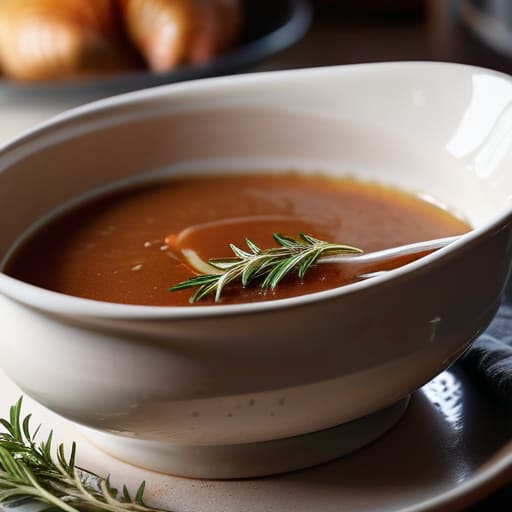
Now, I’ve spent many a Sunday afternoon in kitchens from Salisbury to Marlborough, and if there is one thing I’ve learned, it’s that you cannot cheat the foundation. You can follow every instruction in a book, but if you start with a thin, watery liquid, you’ll end up with a pale imitation of the real thing. The best stock for gravy isn’t something you pull from a plastic carton at the supermarket; it’s the liquid gold left behind in the roasting pan after the beef or chicken has had its say.
I always swear by the pan drippings technique—letting those juices settle, skimming off the excess fat, and using the concentrated essence of the meat itself. I remember a particularly fine roast we had at the parish hall back in ’94; the gravy was so deep and dark it practically had its own postcode. When you use a proper, slow-simmered stock, you aren’t just adding moisture; you’re adding the soul of the meal. It provides a depth of flavour that no amount of salt or pepper can ever quite replicate.
Mastering the Pan Drippings Technique for Real Flavor
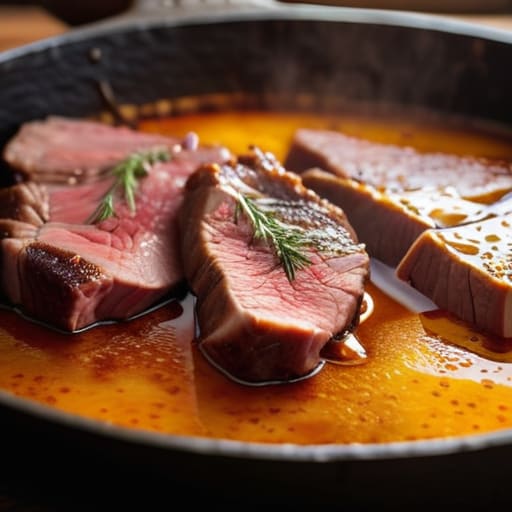
Now, if you’ve just finished roasting a chicken or a joint of beef, don’t you dare go scrubbing that roasting tin straight away. That’s where the real magic lives. I remember my old mentor, a man who could tell you the structural integrity of a cottage just by looking at the chimney stack, used to say that the flavour is in the bits that stick to the bottom. This pan drippings technique is the difference between a sauce that merely coats a potato and one that actually makes you sit down and enjoy your dinner.
Once the meat is resting, tilt the pan to pour off the excess fat—keep a little, but don’t drown the pan—and get it onto a medium heat. You want to scrape those little brown bits, the fond, right up into the fat. If you’re making a roux for gravy, this is the moment to whisk in your flour. You’ll see it transform into a paste that smells far better than anything you’d find in a jar. It’s a bit like repairing a dry stone wall; if you don’t get the foundation of the fat and flour right at the start, the whole thing will eventually crumble.
Five Little Details That Keep Your Gravy From Turning Into Sludge
- Watch your heat when you’re making the roux. I’ve seen too many people crank the hob up to high, thinking they’re being efficient, only to end up with a burnt, bitter paste that tastes more like charcoal than dinner. Keep it low and steady; you want a gentle sizzle, not a roar.
- Don’t be stingy with the flour, but don’t go overboard either. You’re looking for a paste that’s thick enough to coat the back of a wooden spoon, much like the lime mortar they used on the cottage at the end of Miller’s Lane back in the 1840s—strong enough to hold, but not so thick it cracks.
- Add your stock in small splashes, not one big pour. If you dump a whole litre in at once, you’ll end up with a lumpy mess that no amount of whisking will save. Do it bit by bit, stirring constantly, until the mixture is smooth before you move on to the next addition.
- Season at the very end, not the beginning. As the gravy reduces and thickens on the stove, the flavours concentrate. If you salt it heavily at the start, you’ll find yourself staring at a salty brine by the time it’s ready to serve. A little bit of pepper and a final taste is always the safest bet.
- If you find yourself with a few lumps despite your best efforts, don’t panic. Just pass the whole lot through a fine sieve into a clean jug. It’s a bit of extra washing up, certainly, but it’s better than serving a plate of gravy that looks like it’s been mixed with wet cement.
Three Things to Remember Before You Pour
Don’t be stingy with the flour; I’ve seen too many thin, watery sauces that look more like tea than gravy, so make sure you cook that roux long enough to lose the raw flour taste.
Keep your stock simmering, not boiling; a rolling boil can turn a lovely, clear liquid cloudy and agitated, and we’re looking for something smooth, not a muddy mess.
Taste it at the very end; salt is a tricky business once the liquid has reduced, and you don’t want to find yourself halfway through dinner realising you’ve made something far too salty to swallow.
The Golden Rule of the Gravy Boat
I’ve spent thirty years inspecting properties, and I can tell you that a house is only as good as its foundations; gravy is exactly the same. If you try to build it on a weak, watery stock or skip the patience required to brown those pan drippings properly, you’re just building on sand. You can’t shortcut the depth of flavour—you have to earn it in the pan.
Gordon Ellery
The Final Pour
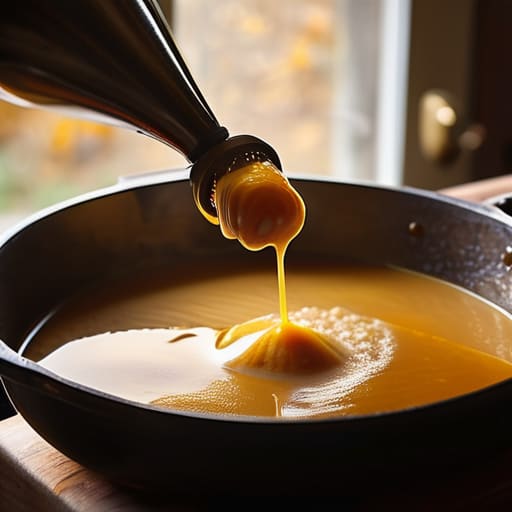
At the end of the day, making proper gravy is just a bit of patience and attention to detail, much like checking the damp in a Victorian terrace. You need that quality stock, you can’t shortcut the pan drippings, and you must keep a steady eye on your roux so it doesn’t scorch. If you find yourself with a few lumps, don’t panic; a quick pass through a fine sieve will do the trick, though I’ve always found that working the whisk with purpose usually prevents the trouble altogether. It isn’t about being a professional chef, it’s about understanding that the small things matter when you’re trying to pull a meal together.
I often think back to the Sunday lunches at my old firm, where the gravy was thick enough to stand a spoon in and tasted of real, honest ingredients. We live in a world of instant granules and little packets that have no business being on a dinner table, but there is a particular sort of satisfaction in doing things the right way. When you sit down and see that rich, dark sauce pooling around the roast, you’ll know it was worth the extra ten minutes at the stove. It isn’t just about the food, really; it’s about the quiet dignity of a well-made meal and the way it brings people together around the table.
Frequently Asked Questions
If I’ve used a chicken roast instead of beef, do I still need to use the same amount of flour for the roux?
Not necessarily. When I was valuing old farmhouses, I noticed how different livestock changed the very character of a kitchen. Chicken fat is lighter and less viscous than beef tallow. If you use the same amount of flour, you might end up with a thick, gloopy paste rather than a silky sauce. Start with slightly less flour than you would for beef; you can always whisk in a little more, but you can’t take it out once it’s gone.
Can I make a batch of this on a Sunday and keep it in the fridge for the midweek roast, or does it go off too quickly?
You certainly can. I often find myself making a larger batch on a Sunday afternoon while the oven is already running for the roast. Keep it in a clean glass jar in the fridge, and it’ll be perfectly fine for three or four days. Just give it a good stir when you reheat it—it tends to set like jelly as it cools, which is exactly what you want to see.
What’s the best way to fix it if I’ve gone a bit too heavy-handed with the flour and ended up with a lumpy mess?
Don’t panic; I’ve seen more lumpy gravy in my time than a thatched roof in a gale. If you’ve gone too heavy on the flour, don’t try to stir your way out of it. Get a fine sieve and pass the whole lot through it into a clean pan. If it’s still stubborn, a quick whisk with a little extra warm stock can help, but the sieve is your best bet.