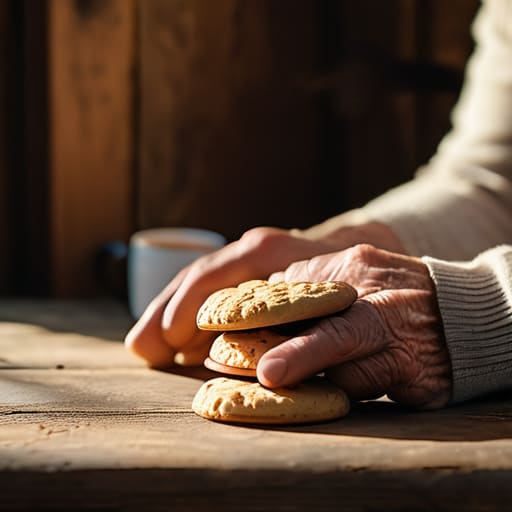
I was sitting in the village hall last Tuesday, listening to a consultant from the county council drone on about “social cohesion frameworks” and “intergenerational synergy.” It was all very expensive-sounding, but it missed the point entirely. When people search for befriending schemes explained, they aren’t looking for a lecture on sociological theory or a glossy brochure printed on recycled card. They are looking for a way to make sure that Mrs. Higgins, who has lived in that lovely little flint cottage on High Street since 1964, doesn’t go three days without hearing another human voice. It isn’t about grand civic projects; it is about simple, human decency between neighbours.
I’ve spent thirty years valuing properties and sitting through endless parish meetings, so I’ve learned to spot the difference between genuine help and mere window dressing. In this post, I’m going to strip away the jargon and give you the plain truth about how these schemes actually work on the ground. I’ll tell you what to look for, what to avoid, and how to find a service that is actually worth your time, based on what I’ve seen working in our own corner of the world.
Table of Contents
The Quiet Strength of Elderly Companionship Services

The Quiet Strength of Elderly Companionship Services
I remember a gentleman who lived in the cottage near the old mill—the one with the flintwork dating back to the mid-1800s. He was a sharp man, but once his wife passed and the car became too much of a bother, the silence in that house grew heavy. This is where elderly companionship services move from being a “nice-to-have” to something truly essential. It isn’t about professional care in a clinical sense; it is about someone sitting down for a cup of tea and a proper chat about the weather or the local cricket scores.
These services act as a vital layer of social isolation prevention, catching the people who might otherwise slip through the cracks of a busy world. When a volunteer drops by, they aren’t just checking a box; they are providing a tether to the village itself. We often talk about the physical upkeep of our homes, but we forget that the people inside them need a certain kind of maintenance too. A regular visitor can spot the small changes—a missed letter in the post or a slightly slower gait—that tell you someone might need a bit more help than they are letting on.
Combating Social Isolation Prevention One Chat at a Time
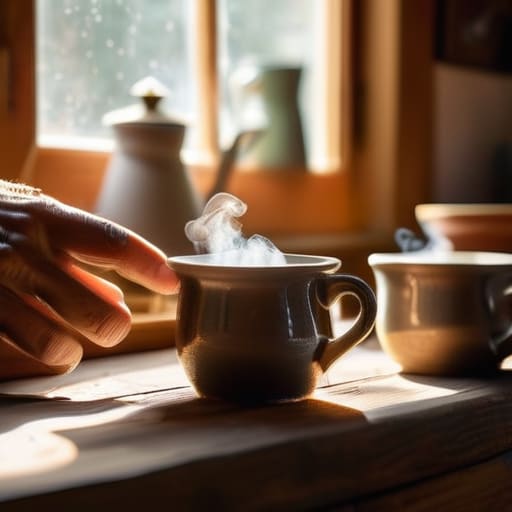
It isn’t just about a bit of polite conversation over a cup of tea, though that is often where the real work begins. When we talk about social isolation prevention, we aren’t talking about some grand clinical intervention. It is much more practical than that. It is about the person who has lived in the same cottage since the late seventies but hasn’t had a meaningful word spoken to them in a fortnight. For many, the silence in a house can become quite heavy, and a regular visitor provides a vital anchor to the world outside their own four walls.
I have seen firsthand how these community support programs can change the atmosphere of a household. It is less about “fixing” someone and more about the mental health benefits of social connection—the simple, steady reassurance that you are still a part of the village fabric. Whether it is a weekly stroll down to the stream or a chat about the weather, these small interactions act as a preventative measure against the kind of loneliness that settles in like damp. It is about making sure no one feels they have become invisible.
A Few Practical Bits to Keep in Mind
- Don’t expect a miracle overnight. A befriending scheme isn’t a replacement for family or a professional care service; it’s more like a slow-growing hedge. It takes a bit of time and a few regular visits before the connection really takes root and feels natural.
- Check the credentials, not just the intentions. I’ve seen plenty of well-meaning people in the village, but a proper scheme will always have a vetting process and a bit of training. You want to know that the person knocking on the door has been properly checked out, much like you’d check the structural integrity of a Victorian lintel.
- Look for the local connection. A scheme that matches someone with a neighbour who knows the same local history or shares a fondness for the same parish church is worth ten times more than a generic service run from a city office fifty miles away.
- It isn’t just for the elderly. While we often focus on those of a certain vintage, these schemes can help anyone who has found themselves a bit adrift—perhaps someone who has recently moved to the area and doesn’t yet know which lane floods after a heavy rain.
- Be prepared for the small stuff. Often, the most important part of a befriending visit isn’t a grand conversation about the world, but simply sitting there while the kettle boils or discussing whether the roses in the garden are coming along well. It’s the small, consistent things that hold a community together.
The Essentials to Remember
It isn’t about professional care or medical intervention; it is simply about regular, reliable company that helps keep the loneliness at bay.
These schemes rely entirely on the local community, meaning the best volunteers are usually the people you already see at the village shop or the post office.
Finding the right match is more important than the service itself, as a meaningful connection is built on shared interests rather than a ticking clock.
More Than Just a Cup of Tea
A befriending scheme isn’t some grand, bureaucratic initiative designed to tick a box on a council spreadsheet; it’s simply about making sure that the person living three doors down doesn’t spend their entire week listening to the hum of a refrigerator because there’s no one else to talk to.
Gordon Ellery
A Final Word on Looking Out for One Another
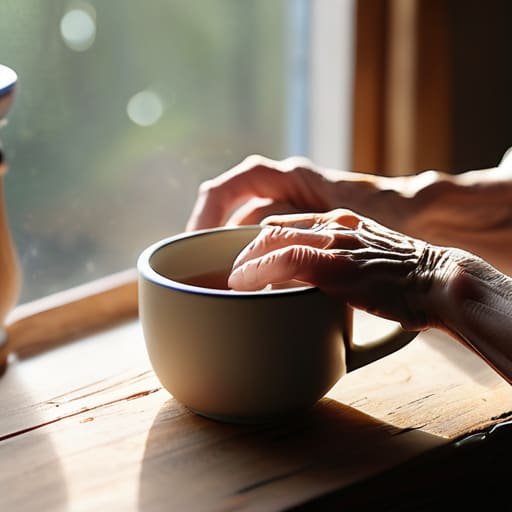
When you strip away the formal language and the glossy brochures, what we are really talking about is the simple, vital act of showing up. We have looked at how these schemes provide more than just a bit of company; they offer a lifeline that keeps people tethered to the world around them. Whether it is a scheduled weekly visit to share a cup of tea or a regular phone call to check the weather, these services bridge the gap that isolation creates. It isn’t about grand, expensive interventions, but rather about the steady, reliable presence of a friendly face that ensures no one in our community is left to fade into the background.
I have spent many years walking these lanes and looking at the stones that make up our villages, and I know that a structure is only as strong as the mortar holding it together. Our community is much the same. A befriending scheme is a bit of that mortar; it fills the cracks and keeps us all standing a little taller. You don’t need a degree in social work to make a difference, just a bit of time and the willingness to listen. So, if you see a notice at the parish hall or hear a mention at the post office, take a moment to look closer. It might just be the most important thing you do all year.
Frequently Asked Questions
How do I know if the person being matched with me is actually someone I'll get along with?
It’s a fair question. You don’t want to be stuck in a living room with someone who thinks your favourite music is noise. Most schemes start with a proper chat—not a clipboard exercise, but a real conversation to see if your temperaments mesh. They look for common ground, whether it’s a shared love of gardening or a mutual dislike of the new bypass. It’s about finding a kindred spirit, not just a warm body.
Is there a cost involved for the person receiving the visits, or is it all covered by local council funding?
Now, I know what you’re thinking—and it’s a fair question. You don’t want a surprise bill arriving in the post alongside your pension statement. Generally speaking, most of these schemes are run by charities or volunteers, so there’s no charge for the visits themselves. While some councils might provide a little top-up, you shouldn’t be paying for the companionship. Just check the fine print with your local provider first, just to be certain.
Do I have to commit to a certain number of visits a week, or can it be more of a casual thing?
It really depends on the scheme you’re looking at, but most aren’t looking to tie you into a rigid contract. I’ve seen some where you commit to an hour every Tuesday, while others are much more flexible—more of a “drop in when you can” arrangement. If you’re worried about being over-committed, just ask them straight. Most organisers would much rather have a reliable, casual visitor than someone who signs up for three visits and disappears.