
I remember sitting in the village hall back in ’94—the one with the draughty sash windows that haven’t been properly sealed since the late seventies—watching a committee try to plan a social gathering. They were obsessed with hiring professional caterers and sourcing linen tablecloths, as if a bit of fancy starch would somehow make people talk to one another. They missed the point entirely. A proper community lunch club setup isn’t about the quality of the silver or whether the buffet is served on fine china; it is about making sure the person living three doors down actually has a reason to sit across a table from you once a week.
I’m not going to give you a glossy brochure filled with management jargon or expensive “engagement strategies.” Instead, I’m going to tell you what actually works when you’re standing in a damp hall with nothing but a kettle and a few mismatched chairs. I’ll walk you through the practicalities of getting a group together, from finding a venue that doesn’t cost a king’s ransom to ensuring the tea stays hot. This is about building something that lasts, based on what I’ve seen work in our own little corner of the world.
Table of Contents
- Finding the Right Room and Funding for Social Eating Initiatives
- Organizing Community Dining Events That Actually Feel Like Home
- Five Things to Remember Before You Lay the Tablecloth
- Three Things to Remember Before You Set the Table
- ## The Secret Ingredient
- A Final Word on the Matter
- Frequently Asked Questions
Finding the Right Room and Funding for Social Eating Initiatives
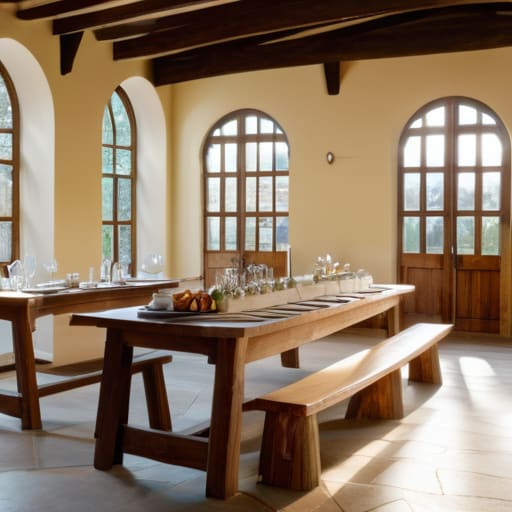
Now, you can’t run a lunch club from your own kitchen—not unless you fancy a very awkward conversation with the neighbours about the smell of cabbage wafting over the fence. You need a space that’s accessible, preferably one with a level entrance for those who find the kerb a bit of a challenge. The parish hall down by the old mill, which was rebuilt in 1924 on the site of a much older tithe barn, is usually my first port of call. It’s got a decent kitchen, though the tiling has seen better days. When you are organizing community dining events, the physical space dictates everything from how many chairs you can squeeze in to whether the kettle is actually near a plug.
As for the money, don’t go expecting a windfall from the council. Most of us rely on small grants or a bit of fundraising through the local pub. You’ll find that funding for social eating initiatives often comes in small, manageable chunks—local business donations or a well-run bake sale. It isn’t about being grand; it’s about ensuring the tea is hot and the bread is fresh.
Organizing Community Dining Events That Actually Feel Like Home

Once you have the keys to the hall and a bit of a budget, the real work begins. You don’t need a professional chef, but you do need a plan that doesn’t leave everyone staring at a plate of lukewarm mash. When it comes to community meal planning and nutrition, I’ve found that simplicity is your best friend. A hearty vegetable stew or a proper ploughman’s lunch works far better than anything overly fussy. People come for the company, but they stay because they feel looked after. Keep the menu straightforward, ensure there is always a decaf option, and for heaven’s sake, make sure the tea is strong.
The secret ingredient, however, isn’t the food; it’s the people helping to serve it. Successful volunteer management for lunch clubs relies less on formal rotas and more on knowing who in the village actually enjoys a bit of a chat while they’re ladling out the soup. You want people who can spot if someone hasn’t shown up for a week or if a regular seems a bit quieter than usual. It isn’t just about organizing community dining events; it’s about creating a space where the person sitting at the end of the table feels just as welcome as the person at the head.
Five Things to Remember Before You Lay the Tablecloth
- Don’t go looking for a fancy function room in the next town over; the best spot is usually the village hall with the slightly draughty windows or the back room of the pub where everyone already feels at home.
- Keep the menu simple and stick to what people actually eat, rather than trying to be clever with fusion cuisine; a decent ploughman’s or a proper homemade soup beats a complicated menu every time.
- Make sure you have a reliable way to check who is coming, because there is nothing worse than having twelve people show up when you’ve only prepared six portions of shepherd’s pie.
- Assign a few people to the “heavy lifting” early on, because if you try to do the cooking, the cleaning, and the chatting all by yourself, you’ll be too tired to enjoy the very community you’re trying to build.
- Check the accessibility of the entrance and the seating; if the person living down the lane has a walker or a bit of trouble with their knees, they won’t bother coming if they have to navigate three steep steps to get to the tea.
Three Things to Remember Before You Set the Table
Don’t get bogged down in bureaucracy; a community lunch works best when it’s driven by people who actually know the neighbours, not by a committee that meets once a year in a drafty hall.
Keep the costs low and the atmosphere high by using what you’ve already got, whether that’s the village hall’s mismatched crockery or a few reliable volunteers who don’t mind a bit of washing up.
The goal isn’t to host a five-course banquet, but to create a space where someone who has been feeling a bit isolated can walk through the door and feel like they belong.
## The Secret Ingredient
You can have the finest hall in the county and a budget that would make the Parish Council blush, but if you don’t have a decent pot of tea and a way to make a stranger feel like they aren’t intruding, you haven’t built a lunch club—you’ve just rented a room.
Gordon Ellery
A Final Word on the Matter
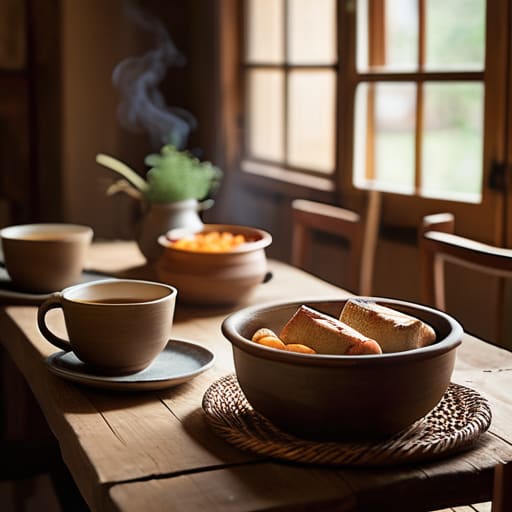
Setting this all up is a bit like repairing a dry stone wall; if you don’t get the foundation right, the whole thing will eventually lean and tumble. You need a room that doesn’t feel like a drafty school hall, a bit of seed money that doesn’t disappear into administrative black holes, and most importantly, a menu that focuses on proper, honest food rather than anything too fussy. It isn’t about hosting a grand banquet or trying to impress the parish council. It is about the practicalities—the chairs being comfortable, the tea being hot, and ensuring the person living in the cottage at the end of the lane feels just as welcome as the person living next door to the church.
At the end of the day, a lunch club is a small investment in the social fabric of our village. We spend so much of our lives passing each other on the pavement or waving from the car window, but we rarely truly stop to check in. A shared table does more than just fill a stomach; it prevents the kind of quiet isolation that can settle over a community when people stop looking out for one another. If you get the kettle on and the doors open, you might find that the most valuable thing you’ve built isn’t the club itself, but the sense that we are all still part of something together.
Frequently Asked Questions
How do we handle the actual food safety side of things without getting bogged down in endless paperwork?
Now, I know what you’re thinking—one look at a food hygiene manual and you’ll want to pack it all in. But you don’t need a mountain of filing cabinets. Just keep it sensible. Use a thermometer to check the chicken, keep the raw meat away from the salad, and make sure everyone washes their hands before they touch a sandwich. If you keep the kitchen clean and the temperatures right, the paperwork becomes a mere formality.
What do we do if the local hall is too expensive or doesn't have a proper kitchen for cooking on-site?
If the village hall is charging a king’s ransom, or if the kitchen is little more than a sink and a plug socket, don’t let it stall you. I’ve seen many a good idea die because of a rental invoice. Look to the church halls or even the back room of the pub; they often have better setups and more flexible rates. If cooking on-site is impossible, lean on a local caterer or a well-meaning neighbour with a large oven.
How do we make sure it doesn't just become a group of the same five people every week?
The trouble with most village committees is they become a closed loop. If you only ever put posters in the church hall, you’ll only ever get the same five people who already know where the tea towels are kept. You have to get out into the lanes. Drop a flyer through the door of the new build on Mill Lane, or talk to the folks at the post office. You need to go to them before they come to you.