
I spent forty years climbing through damp loft spaces and checking the level of foundation walls in houses dating anywhere from the late Victorian era to the post-war builds of the fifties. If there is one thing a surveyor learns, it’s that when a structure starts to lean, you don’t fix it by buying a fancy, overpriced gadget from a television advert. People seem to think that learning how to improve posture requires some sort of high-tech ergonomic throne or a subscription to a yoga app, but that’s a load of nonsense. In my experience, most of the “solutions” being sold today are about as sturdy as a dry stone wall built without a proper through-stone; they look fine for a week, but they won’t hold the weight when things get difficult.
I’m not here to sell you a lifestyle or a piece of expensive furniture. What I want to do is share what actually works when you’re tired, stiff, or just plain old. I’ll be looking at the small, practical adjustments you can make to your daily routine—the kind of things that don’t cost a penny but make a world of difference to how your back feels by the time you’ve walked the three-quarters of a mile back from the village shop.
Table of Contents
Fixing the Slump Correcting Rounded Shoulders

I spent most of the nineties leaning over drafting tables and survey maps, and I can tell you from experience that your shoulders don’t just drift forward; they settle there like a heavy dampness in an old cottage. Most people think it’s just a bad habit, but it’s often a lack of muscle memory. If you find yourself staring at your chest more than the horizon, you likely need to focus on scapular stability training. It isn’t about lifting heavy weights at the gym; it’s about teaching those shoulder blades to sit back where they belong, rather than sliding toward your ribs like a loose slate on a thatched roof.
You can’t just pull your shoulders back and hope for the best, either—that’s a recipe for a tension headache. You have to address the tightness in the front. I’ve found that simple postural awareness techniques, like standing in a doorway and gently stretching the chest, do more for you than any expensive gadget. If you don’t address the pull from the front, your back muscles will just tire themselves out trying to fight a losing battle.
The Foundation Core Strength for Spinal Support
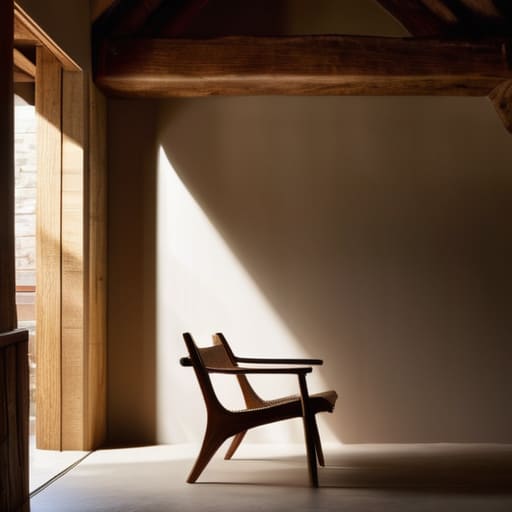
You can buy the most expensive chair in the showroom, but if the muscles underneath aren’t doing their job, you’re just sitting on a very pricey mistake. I spent thirty years walking through houses, looking at how people lived in them, and I’ve noticed that the most comfortable-looking rooms often belong to people who are essentially collapsing into themselves. It comes down to the middle of your body. Without proper core strength for spinal support, your spine is like an old timber frame in a cottage—it might look fine from the outside, but if the central beams are soft, the whole structure starts to lean.
It isn’t about having a six-pack like some lad in a fitness advert; it’s about the deep, quiet muscles that keep you upright when you’re standing at the till or walking the dog down a muddy lane. If those muscles are weak, your body will look for stability elsewhere, usually by pulling on your neck or arching your lower back. Developing that stability is the real secret to long-term comfort, ensuring you aren’t constantly fighting your own weight just to stay straight.
Getting the Alignment Right: Five Practical Bits of Advice
- Watch your screen height. I’ve spent thirty years looking at blueprints and survey maps, and if you’re constantly peering down at a laptop on a kitchen table, you’re going to end up with a neck like a question mark. Get that screen up to eye level—use a stack of sturdy books if you have to—so you aren’t hunting for the horizon through your chin.
- Mind your footwear. You can have the straightest spine in Hampshire, but if you’re walking the lanes in thin-soled trainers or those flimsy slip-ons, your ankles and hips will pay the price. A proper, supportive sole acts like a solid foundation on a Victorian terrace; without it, the whole structure starts to lean.
- The ‘Wall Test’ is a fine way to check yourself. Find a flat bit of masonry—the church wall or even just your own hallway—and stand with your heels, buttocks, shoulders, and head all touching the surface. If it feels unnatural or difficult, you’ve likely spent too much time slumped in a soft armchair. It’s a bit of a shock to the system, but it tells you exactly where you’re drifting.
- Don’t stay static. Even the best-built cottage settles over time, and so do we. If you’re sitting at a desk, set a timer to stand up and stretch every forty minutes. I find that walking to the end of the garden and back helps reset the frame better than any expensive ergonomic gadget ever could.
- Open up the chest. Most of us spend our days in a sort of defensive hunch, pulling our shoulders forward toward our phones or steering wheels. Every now and then, consciously roll those shoulders back and down, as if you’re trying to tuck your shoulder blades into your back pockets. It feels a bit silly at first, but it stops that tightness from creeping up into your upper back.
A Few Things to Keep in Mind
Don’t go looking for a quick fix in a fancy office chair; it’s more about whether you’re actually sitting upright or slouching like a question mark while you’re at it.
Think of your core like the foundation of an old cottage—if the middle isn’t solid and steady, the rest of the structure is going to start leaning the wrong way.
It isn’t about being a soldier all day, but about noticing when you’ve drifted into a slump and making that small, deliberate effort to pull yourself back up.
The Load-Bearing Truth
I’ve spent thirty years looking at how old timber frames settle into their foundations, and a human body is much the same; if you don’t mind the alignment of your core, you’ll find yourself leaning into the world like a cottage with a failing lintel, just waiting for the next heavy rain to make things permanent.
Gordon Ellery
A Final Look at the Structure

At the end of the day, fixing how you carry yourself isn’t about buying some expensive, high-tech gadget or following a regime that would make an Olympic athlete weep. It’s about the basics we’ve discussed: pulling those shoulders back from your ears, strengthening the muscles that keep your spine from folding like a cheap card table, and remembering that your core is the actual foundation of your entire frame. I’ve spent thirty years looking at the structural integrity of flint and brick, and I can tell you that if the footing is soft, the whole wall eventually leans. Your body works the same way. You can’t expect a sturdy life if you’re constantly slumping under the weight of your own habits.
Don’t feel you have to overhaul everything by Monday morning. If I tried to rebuild a dry stone wall in a single afternoon, I’d end up with a pile of rubble and a very sore back. Instead, just aim to be a little more upright each time you sit down for tea or walk down to the village shop. It’s the small, consistent adjustments that prevent the long-term damage. Stand tall, keep your foundation solid, and remember that a well-maintained structure—whether it’s a cottage in Wiltshire or your own tired spine—is well worth the steady, patient effort.
Frequently Asked Questions
I’ve been sitting in the same armchair since 1994; is there any point in trying to fix my posture now, or is the damage already done?
Now, don’t go thinking you’re a lost cause just because that armchair has seen better decades. I’ve seen many a flint wall that had settled badly into the soil, but with a bit of patient resetting, it holds firm once more. Your spine isn’t set in concrete, though it might feel like it. It’s about small, steady adjustments—not a sudden overhaul. Start moving, even if it’s just a walk to the post office.
If I start doing these exercises, am I going to end up making my back worse if I don't have a professional looking over my shoulder?
Look, I’m a surveyor, not a physiotherapist, but I know a structural error when I see one. If you try to shore up a leaning wall without checking the footing, you’ll only cause more cracks. If an exercise feels like a sharp pinch rather than a dull ache, stop immediately. It’s better to do nothing than to do something wrong. If you’re unsure, see a professional; it’s cheaper than a spinal repairman.
How much of this is actually about muscle strength, and how much of it is just about the habit of slouching when I'm watching the news?
It’s a bit of both, really. Think of it like a dry stone wall; you can have the strongest stones in the world, but if you don’t set them straight, the whole thing eventually leans. Muscle strength gives you the structural integrity, but the habit—that slouching during the 6 o’clock news—is what pulls the wall down. You need the strength to hold yourself up, but you also need the discipline to stay upright.