I was standing in the larder of a lovely mid-Victorian detached in Chawton last Tuesday, looking at a pile of limp, greyish carrots that had clearly been forgotten in a plastic bag, and I couldn’t help but shake my head. There is a certain amount of nonsense being peddled these days—all these expensive, airtight gadgets and “smart” containers that promise to revolutionise your kitchen. Honestly, if you want to learn how to store vegetables properly, you don’t need a subscription service or a designer bin; you just need to understand how a bit of moisture and air actually works. Most of these modern supermarket packs are designed for transport, not for staying alive in your own cupboard.
I’m not going to waste your time with complicated science or fancy equipment you don’t need. I’ve spent enough years managing my own kitchen and observing how things settle in a pantry to know what actually works when the weather turns damp. I’ll tell you exactly which bits belong in the cool dark of the cellar and which ones need a bit of breathing room on the counter. This is about practical, common-sense methods that ensure you aren’t throwing half your weekly shop into the compost heap by Friday.
Table of Contents
- Mastering the Crisper Drawer Settings for Every Season
- Preventing Vegetable Spoilage Through Simple Honest Habits
- Five practical ways to stop your veg from going to seed
- A few final thoughts before you head to the larder
- A Lesson from the Larder
- A Bit of Common Sense in the Kitchen
- Frequently Asked Questions
Mastering the Crisper Drawer Settings for Every Season
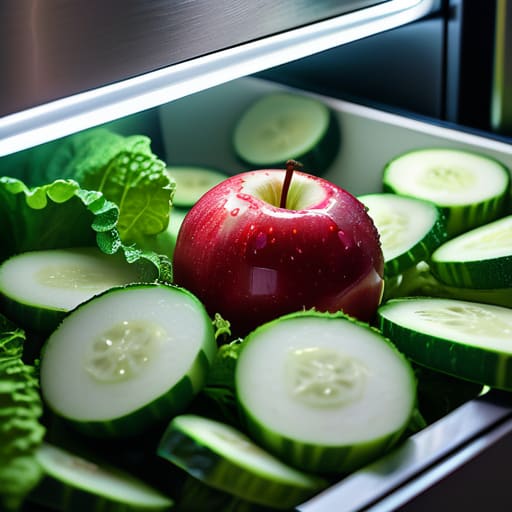
Most of the modern fridges I’ve seen in the last decade come with those sliding plastic toggles on the drawers, but I’ve found most people leave them stuck in the middle, which is a mistake. If you’re looking at the height of summer, you’ll likely have a lot of salad leaves and cucumbers. For these, you want the drawer set to high humidity to keep things from wilting. However, you have to be careful with your ethylene gas producing fruits—like those apples or pears sitting on the counter—because if they end up in that same drawer, they’ll turn your lettuce into a puddle of slime before the week is out.
When the weather turns and we move into the autumn months, I tend to stock up more on root vegetables. For these, I switch the drawer to a lower humidity setting. It’s a bit of a balancing act, but finding the optimal humidity for produce is really the difference between a carrot that snaps and one that’s gone bendy. I’ve spent enough time cleaning out soggy drawers to know that a little bit of trial and error pays off.
Preventing Vegetable Spoilage Through Simple Honest Habits
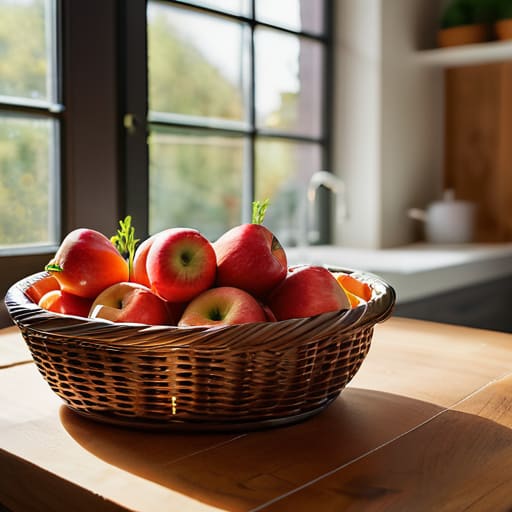
It isn’t just about where you put things; it’s about the company they keep. I’ve seen many a perfectly good bag of spinach go to seed because it was tucked away next to a bruised apple. You see, some items are ethylene gas producing fruits, and they’ll turn your vegetables into mush faster than a heavy rain on a thatched roof. If you keep your apples in the same drawer as your carrots, don’t be surprised when those carrots go soft and rubbery within a few days. It’s a simple matter of separation.
Another thing I’ve learned is that moisture is a double-edged sword. While you want to maintain the optimal humidity for produce to keep things from shrivelling, too much of it is just an invitation for rot. I usually find that giving my leafy greens a quick spin in the salad spinner and then tucking them into a container with a bit of paper towel works best. It’s not fancy, and it’s certainly not a professional chef’s secret, but it’s a reliable way of preventing vegetable spoilage without needing a degree in botany.
Five practical ways to stop your veg from going to seed
- Keep the onions and the potatoes in separate cupboards. I learned that the hard way back in ’94 when a batch of King Edwards turned to mush in a week; the gases from the onions just won’t have it, and they’ll trigger a rot you can’t fix.
- Don’t go washing your greens the moment you get home from the shop. If you put damp lettuce or spinach into a container, you’re just inviting slime. Dry them thoroughly, or better yet, wait until you’re actually ready to chop them.
- Treat your herbs like a bouquet of flowers. If you’ve picked up some coriander or parsley, pop the stems into a small glass of water in the fridge—though keep the mint on the counter, as it prefers the room temperature.
- Get those carrots and parsnips into a sealed bag. They’re mostly water, and once they start losing it to the air in your fridge, they go from being crisp to feeling like a piece of old leather in no time.
- Give the tomatoes a bit of dignity and leave them on the counter. Putting them in the cold fridge kills the flavour and turns the texture mealy, and nobody wants a mealy tomato in their Sunday salad.
A few final thoughts before you head to the larder
Don’t treat your crisper drawer like a junk drawer; if you haven’t looked at what’s in there for three days, you’re likely just burying a future compost heap.
Treat your herbs like a cutting from the garden—give them a bit of water and a proper home, or you’ll be throwing money in the bin by Tuesday.
Listen to the produce; if a carrot feels soft or a leafy green looks tired, move it to the front of the queue for tonight’s supper rather than waiting for a “better” time.
A Lesson from the Larder
I’ve spent thirty years looking at the foundations of houses, and I can tell you that even the best-built cottage will fail if you don’t respect the basics; the same goes for your kitchen. You can buy the finest organic carrots in the county, but if you leave them sitting in a damp plastic bag in the back of the fridge, you’re essentially just throwing money into the compost heap.
Gordon Ellery
A Bit of Common Sense in the Kitchen
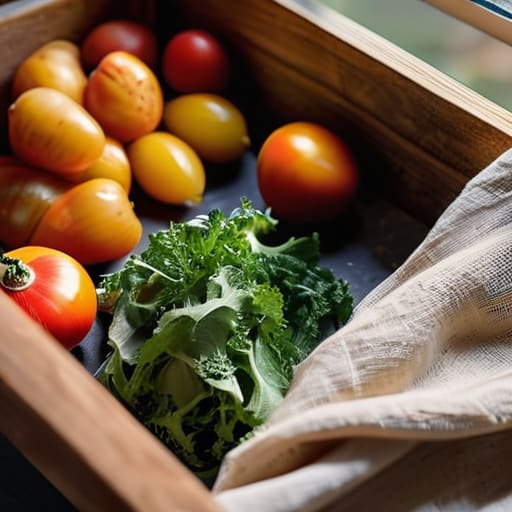
At the end of the day, keeping your veg in good nick isn’t about following some complex scientific manual; it’s about paying attention to the small things. Whether it’s remembering to keep those leafy greens in a bit of moisture or making sure your onions stay tucked away in a cool, dark corner far from the potatoes, it all comes down to preventing unnecessary waste. I’ve seen far too many good harvests end up as slimy grey mush at the bottom of a drawer simply because someone forgot to check the crisper settings or left a bruised tomato to sit alone. If you take ten minutes once a week to sort through your stock, you’ll find you’re spending much less time at the checkout and much more time actually enjoying what you’ve bought.
I often think that the way we treat our food says a lot about how we treat our homes. There is a certain quiet satisfaction in opening a well-ordered fridge and seeing crisp, bright produce rather than a graveyard of wilted stalks. It’s a small way of showing respect for the work that went into growing it, and for the hard-earned money you spent at the local market. Taking care of what we have is a fundamental part of a good life, and it starts with something as simple as a dry cloth and a bit of foresight. It might seem like a minor thing, but it makes all the difference when you sit down to a proper meal.
Frequently Asked Questions
What on earth do I do with those onions and potatoes that keep sprouting in the pantry?
The trouble with onions and potatoes is they’re far too social. You can’t keep them in the same cupboard; the gases one releases will have the other sprouting before you’ve even finished your tea. Keep your potatoes in a dark, cool corner—not the fridge, mind—and keep the onions separate in a ventilated basket. If they’ve already started growing those little white shoots, use them quickly in a stew. Don’t let them sit.
Is there any point in buying those expensive plastic storage containers, or is a simple bowl enough?
I’ve seen enough fancy gadgets cluttering up kitchen counters to know they aren’t worth the premium. If you’re looking at those airtight plastic tubs, save your money for something useful, like a decent bag of flour. A simple ceramic bowl or even a wooden crate works well enough for most things. The real trick isn’t the container; it’s the airflow. If you can’t see the vegetable, you’ll likely forget it’s there until it’s gone.
Once I’ve picked some runner beans from the allotment, how long do I actually have before they turn to mush?
If you’ve just plucked them from the allotment, you’ve got about two or three days before they lose their snap. Once they’re picked, they start losing moisture immediately. I usually keep mine in a paper bag in the vegetable drawer—never plastic, as that just invites the rot. If you’re planning on keeping them longer, get them into the fridge straight away, but don’t let them sit there for a week or they’ll be useless.