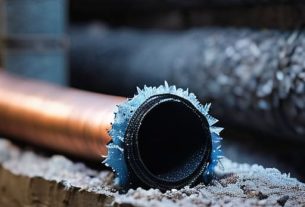
I remember a Tuesday in mid-January, back when I was still valuing properties near Sevenhampton, when the frost was thick enough to crack a stone. I was sitting in a lovely mid-Victorian terrace—built, if I recall, around 1875—when the heating suddenly gave a pathetic, metallic wheeze and died. There is nothing quite like the hollow silence of a house losing its warmth in the middle of a freezing night. Most people will tell you that knowing how to service a boiler is a specialist’s job alone, but they often forget that a lot of what keeps a system running is simply preventative common sense and knowing when to listen to the machine.
I’m not here to sell you a fancy subscription or a shiny new heat pump you don’t need. My aim is to give you the straight truth, based on thirty years of looking at what actually breaks in these old village homes. I’ll walk you through the basics of how to service a boiler so you can spot a problem before it becomes an emergency call-out on a Sunday morning. No jargon, no nonsense—just the practical steps to keep your radiators warm and your bank balance intact.
Table of Contents
Listening for the Signs of a Faulty Boiler
You don’t always need a man in a van to tell you something is amiss; usually, your house will start telling you itself. I’ve spent enough years in draughty cottages to know that a boiler has a language of its own. If you start hearing a rhythmic thumping or a high-pitched whistling coming from the airing cupboard, don’t just turn up the thermostat and hope for the best. Those are classic signs of a faulty boiler, often indicating air trapped in the system or a pump that’s struggling to do its job. It’s much like a car engine—if it’s making a noise it didn’t make last Tuesday, it’s worth paying attention to.
Then there is the matter of the temperature. If you find yourself walking from the kitchen to the lounge wrapped in a jumper despite the heating being on, your system is likely working harder than it needs to. A sudden drop in pressure on the gauge—I remember the old brass ones well—is another tell-tale sign. Following basic preventative heating maintenance means catching these small niggles before they turn into a midnight emergency when the pipes are frozen solid.
Checking Boiler Components Before the Frost Sets in

Now, before you go poking around with a screwdriver, you must remember that most modern units are quite temperamental. I always tell the younger folk in the parish that boiler safety precautions aren’t just suggestions; if you aren’t sure, leave it to the Gas Safe engineer. However, there is plenty you can do yourself by simply keeping an eye on the vitals. Start with the pressure gauge. If it’s sitting well below one bar, you’re likely looking at a leak somewhere in the system, probably a weeping radiator valve or a loose fitting under the floorboards. I once spent three hours in a cottage near Sevenhampton just tracing a slow drip that had been lowering the pressure for months.
While you’re at it, take a look at the flue. It should be clear of bird nests or debris—something that happens more often than you’d think in our corner of the world. Following the boiler manufacturer guidelines for your specific model is a good way to ensure you aren’t overstepping, but a quick visual check of the external pipework can save you a lot of grief come January. Keeping the area around the unit clear of clutter is one of those simple preventative heating maintenance steps that people always seem to forget until the heating fails on a Tuesday night.
Five things I’ve learned from thirty years of damp houses and cold mornings
- Keep an eye on the pressure gauge; if it’s constantly dipping into the red, you’ve likely got a pinhole leak in a radiator or a failing expansion vessel, and it’s better to catch it before the floorboards start to warp.
- Don’t go playing engineer with the internal wiring yourself; I’ve seen enough DIY jobs in this village to know that a botched circuit is a much more expensive headache than a professional service fee.
- Clear the area around the unit so you can actually see it; I’ve walked into too many utility cupboards stuffed with old newspapers and half-empty tins of paint where a technician can’t even get a screwdriver behind the casing.
- Check your radiator valves for any sign of white, crusty buildup; that’s usually a tell-tale sign of a slow leak, and if you leave it, you’ll be replacing the whole valve rather than just tightening a nut.
- Make sure you have your service history logbook handy; if you’re trying to sell a property—and I know a thing or two about valuations—a folder full of dated service receipts adds more weight to a house than a fresh coat of paint ever will.
A Few Things to Keep in Mind
Don’t wait for the frost to bite before you start looking for trouble; if you hear a knock or a whistle coming from the unit, get it sorted while the heating is still working.
Keep a close eye on your pressure gauge—if it’s dipping lower than it used to, you’ve likely got a leak or a pressure relief valve that’s seen better days.
While I can tell you a lot about a house’s bones, I’m not a gas engineer; once you’ve spotted a problem, call in a professional before you end up with a much larger bill than a simple service would have cost.
## A Bit of Preventative Wisdom
“I’ve spent thirty years looking at the bones of houses, and I can tell you this: a boiler isn’t like a garden fence that you can just ignore until it falls over. If you wait until you’re standing in a freezing kitchen at three in the morning to notice something is wrong, you’ve already waited too long. A bit of regular maintenance is just common sense—it’s the difference between a quiet winter and a very expensive, very damp emergency.”
Gordon Ellery
A Bit of Foresight Goes a Long Way
At the end of the day, keeping a boiler in good nick isn’t about being an engineer; it’s about being observant. If you’ve spent the last few weeks listening for those odd knocks, checking your pressure gauges, and making sure the vents aren’t choked with dust, you’re already ahead of most. I’ve seen plenty of folks in the village wait until the first proper frost hits in November before they even glance at their heating, only to find themselves staring at a dead unit and a very expensive emergency call-out bill. Remember, a little bit of preventative maintenance—even if it’s just a quick visual check of the pipes—can save you from a very cold, very expensive midnight crisis.
Ultimately, our homes are more than just bricks and mortar; they are the places where we settle in and find our peace. There is a certain quiet satisfaction in knowing that the systems keeping your tea warm and your toes toasty are actually doing their job properly. Don’t let the technical bits intimidate you. Treat your boiler with the same respect you’d give a well-maintained dry stone wall: look after it, and it will look after you. It isn’t just about avoiding a breakdown; it’s about the peace of mind that comes with knowing your home is ready for whatever the British weather decides to throw at us next.
Frequently Asked Questions
Do I really need to pay for a professional engineer every year, or can I just keep an eye on it myself?
Look, I’ve spent thirty years looking at the structural integrity of things, and I’ll tell you this: you can keep an eye on the pressure gauge and listen for the knocks all you like, but you shouldn’t skip the professional. A boiler is a complex bit of kit, much like the old masonry in the parish hall—it needs more than just a glance to stay sound. Pay the engineer. It’s cheaper than a mid-January breakdown.
If my boiler is making a strange knocking sound, is that something I can fix with a screwdriver, or should I be calling someone out immediately?
Now, if you’re hearing a knocking sound, put the screwdriver back in the drawer. I’ve seen enough Victorian plumbing and modern condensing units to know that a knock is rarely a loose screw; it’s usually something more serious, like air trapped in the system or scale buildup in the heat exchanger. If it sounds like a hammer hitting a pipe, don’t tinker. Call a professional. It’s better to pay a call-out fee than to replace the whole unit.
How much of an impact does a poorly maintained boiler actually have on my monthly heating bills?
It’s not just a few extra pounds here and there; it’s a slow leak in your wallet. I’ve seen enough energy statements to know that a boiler struggling with limescale or a clogged filter is essentially burning money to fight itself. If you aren’t keeping up with the service, you’re likely paying 10% to 15% more than you ought to. It’s the difference between a well-oiled machine and a tractor working in deep mud.