I was standing in my allotment last Tuesday, looking at a neighbour’s patch of what he called “gourmet organic rhubarb,” and I couldn’t help but shake my head. He’d spent a small fortune on specialized pH-testing kits and imported mulch, yet the stalks were as thin and spindly as a walking stick. People make it far too complicated; they treat gardening like a structural survey of a Grade II listed manor when it’s really just about getting your hands dirty. If you’re looking for a way to master how to grow and cook rhubarb without needing a degree in botany or a second mortgage, you’ve come to the right place.
I’m not going to give you any of that fluff you find in glossy magazines. Instead, I’ll tell you exactly what I’ve learned from thirty years of watching seasons turn in these parts. I’ll show you how to pick a spot that won’t flood and how to get it into the kitchen without turning it into a bitter mess. This is a straight-talking guide to getting decent results from the soil to the stove.
Table of Contents
- Getting the Rhubarb Soil Requirements Right First Time
- Practical Rhubarb Plant Care Tips for the Real Gardener
- A few practical pointers for the garden and the kitchen
- The short version for the busy gardener
- A lesson from the garden gate
- A bit of patience and a lot of flavour
- Frequently Asked Questions
Getting the Rhubarb Soil Requirements Right First Time
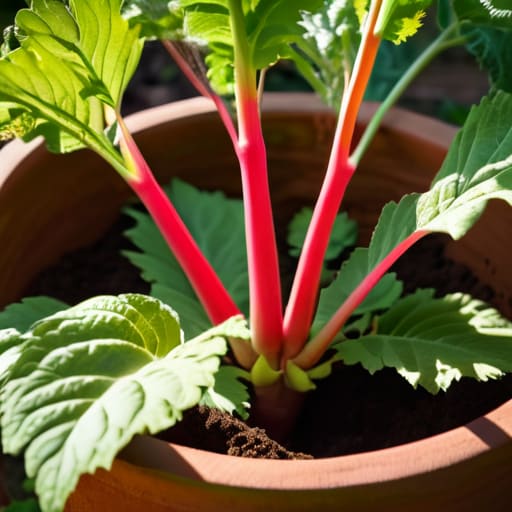
Now, if you want to avoid the heartbreak of a spindly, useless plant, you have to get the ground right from the start. Rhubarb isn’t particularly fussy, but it does have a certain standard to uphold. I’ve seen too many people stick it in a patch of heavy, waterlogged clay, and by mid-July, they’re left with nothing but yellowing leaves and a sense of regret. What you really need is rich, well-drained soil with plenty of organic matter—the kind of muck you get from a good heap of well-rotted manure. If your garden is particularly tight on space, you can manage by growing rhubarb in containers, provided you use a large enough pot and don’t skimp on the compost.
I always tell the younger ones at the gardening club that you shouldn’t just dig a hole and hope for the best. Dig down about eighteen inches; rhubarb has a deep-reaching root system that needs room to stretch. You want a soil pH that sits somewhere between 6.0 and 7.0. If it’s too acidic, the plant will struggle to take up the nutrients it needs to produce those thick, succulent stems we all want for our crumbles. It’s all about the foundation.
Practical Rhubarb Plant Care Tips for the Real Gardener
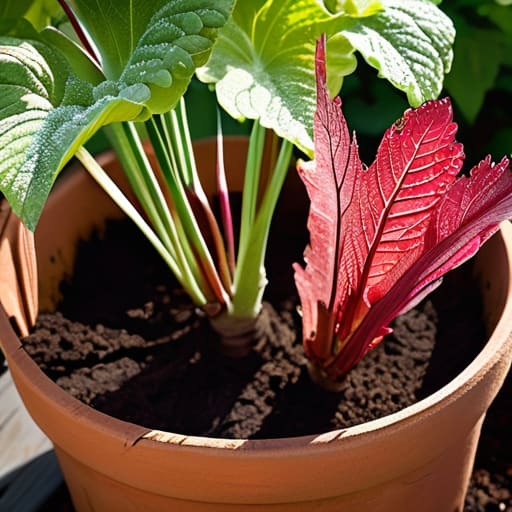
Once you’ve got the ground sorted, the real work is mostly about patience and keeping the weeds at bay. I’ve found that a thick layer of mulch—well-rotted compost or even some old straw—does wonders for keeping the moisture in during those dry spells we get in July. If you’re working with a smaller patch or a patio, don’t rule out growing rhubarb in containers; just ensure you use a large enough pot, as these roots like to spread their wings. I always tell the younger crowd at the allotment that you can’t rush it; if you try to force it, you’ll just end up with spindly, useless leaves.
When it comes to the actual work of harvesting rhubarb stalks, timing is everything. You want to wait until the leaves are large and the stems are firm, but be careful not to take too much at once. I usually leave at least two-thirds of the foliage on the plant to ensure it has enough energy to come back next year. If you’re too greedy, you’ll find your patch looking rather sorry for itself by next spring.
A few practical pointers for the garden and the kitchen
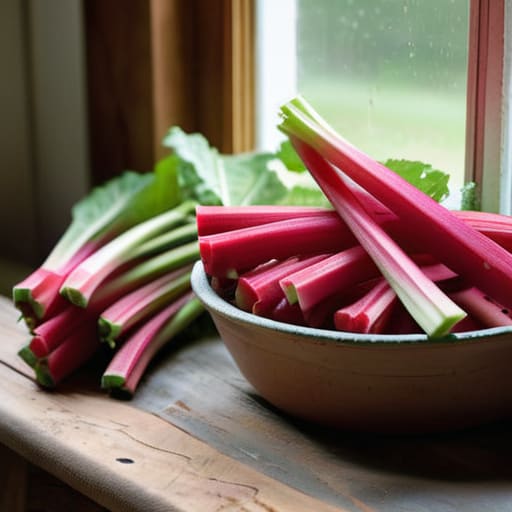
- Don’t go getting greedy with the leaves. I know they look lush and green, almost like something from a storybook, but they’re full of oxalic acid which’ll play havoc with your stomach. Stick to the stalks—the pinker and thicker, the better.
- If you’re looking to cook it, don’t go overdoing the heat. I’ve seen people boil it until it’s nothing but a grey, shapeless mush. A gentle simmer or a quick bake in the oven with a bit of sugar and butter keeps the texture decent.
- Watch out for the slugs around late April. They love a young rhubarb shoot just as much as we do, and if you aren’t careful, you’ll find yourself looking at nothing but holes in the ground come May morning.
- When you’re making a crumble, remember that rhubarb is naturally quite tart. If you don’t balance it with enough sugar or perhaps a bit of ginger, it’ll be a bit of a shock to the system. I usually add a handful of oats to the topping for a bit of weight.
- Give the plants a bit of a rest once they’ve established. You don’t need to be harvesting every single stalk the moment they appear; let the plant build up some strength in the soil, otherwise, you’ll find the stalks getting thin and woody by year three.
The short version for the busy gardener
Don’t be stingy with the compost; if the soil isn’t rich and well-drained, you’ll spend more time fighting the plant than enjoying the leaves.
Watch the weather and the weeds, but remember that a bit of neglect is often better than over-tending a plant that just wants to do its own thing.
Harvest with a bit of common sense—take only what you need, leave enough for the plant to keep its strength, and never, ever eat the leaves.
A lesson from the garden gate
You can buy all the fancy fertiliser in the world, but if you haven’t given your rhubarb a bit of decent, well-drained soil to sink its roots into, you’ll spend your summer staring at nothing but bitter stalks and disappointment.
Gordon Ellery
A bit of patience and a lot of flavour
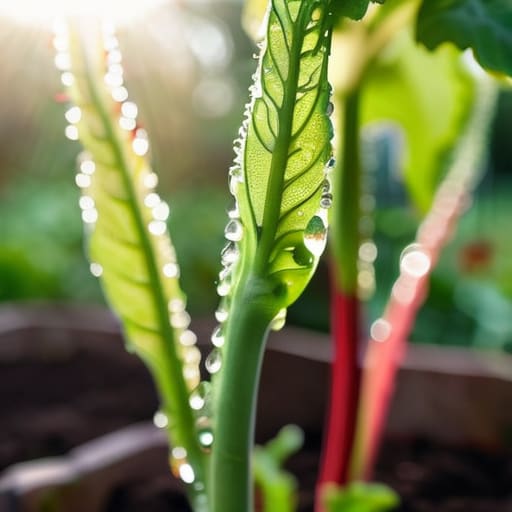
If you’ve followed my advice on getting the soil right and keeping those stalks well-watered, you shouldn’t find much trouble ahead. Just remember that rhubarb isn’t a plant for the impatient; it needs that steady, nutrient-rich ground and a bit of respect for its natural cycle. Don’t go getting too carried away with the harvest in those first two years, or you’ll exhaust the plant before it’s truly settled in. Once you’ve mastered the basics of tending the soil and managing the growth, the reward is a crop that far outshines anything you’ll find wrapped in plastic at the supermarket. It’s about doing the groundwork properly so the plant can do its job for years to come.
At the end of the day, there is something deeply satisfying about walking out to the edge of the garden, seeing those massive, fleshy leaves, and knowing exactly where your food came from. Whether you’re simmering it down with a bit of sugar for a crumble or using it to brighten up a tart, the taste of home-grown rhubarb is something you can’t quite describe until you’ve had it. It’s a small, simple thing, but it’s these genuine connections to the land that make a house feel like a home. So, get your spade in the ground, keep your eyes on the weather, and enjoy the harvest—you’ve earned it.
Frequently Asked Questions
Is it safe to eat the leaves, or am I going to end up in the hospital if I make a mistake?
Now, don’t go making any salads out of the greenery. I’ve seen enough people try to be clever in the kitchen only to end up with a very unhappy stomach. The leaves are full of oxalic acid—it’s quite toxic, really. Stick to the stalks; that’s where the flavour is. If you’re looking for a bit of garnish, find something else. I’d rather not be explaining a trip to the A&E at the next parish meeting.
How long do I actually have to wait before I can harvest my first batch of stalks?
Now, don’t go getting impatient and hacking away at those young leaves. If you’ve just put a new plant in the ground, I’d advise you to leave it entirely alone for at least its first year. It needs that time to establish a proper root system. By the second year, you can take a few stalks, but by the third, you’ll have a decent supply. Patience is the main ingredient, I’m afraid.
Once I've picked it, how do I stop it from going limp in the fridge before I get around to cooking it?
Don’t just toss it in a plastic bag; that’s a sure way to turn your harvest into a soggy mess. Once you’ve picked the stalks, wrap them loosely in a clean, damp tea towel and pop them in the vegetable drawer of the fridge. If you’ve gone overboard and have too much, you can chop it up and freeze it in airtight bags. It won’t be quite as crisp for a crumble, but it’ll do.