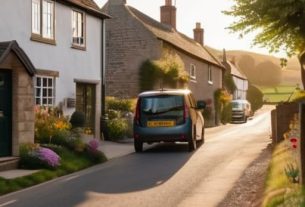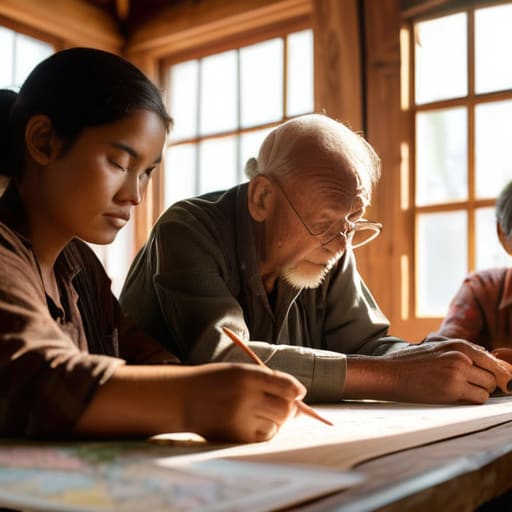
I was sitting in the parish hall last Tuesday, listening to a consultant in a sharp suit drone on about “multi-agency resilience frameworks” and “strategic disaster mitigation protocols.” It’s enough to make your eyes water. He was trying to sell the council a digital dashboard that costs more than the village hall’s entire roof repair fund, all to solve a problem that doesn’t need a computer program. The truth is, a proper village emergency plan isn’t about fancy software or glossy binders gathering dust on a shelf; it’s about knowing that if the power goes out during a February frost, Mrs. Higgins on Orchard Lane is going to need a thermos of tea and someone to check her heating.
I’m not going to waste your time with bureaucratic jargon or expensive nonsense. Instead, I’m going to tell you how we actually look after one another when the roads are blocked or the signals go down. I’ll share what I’ve learned from thirty years of seeing how people actually behave when things get difficult, focusing on the practical, boots-on-the-ground steps that keep a community upright. We’ll talk about real people, real distances, and the simple ways to ensure nobody gets left behind when the weather turns sour.
Table of Contents
- Rural Emergency Response Protocols That Actually Work
- Neighborhood Safety Coordination When the Sirens Fail
- Five things we should actually be doing before the trouble starts
- A few things to remember before the next big storm
- ## More than just a folder in the parish hall
- A bit of food for thought
- Frequently Asked Questions
Rural Emergency Response Protocols That Actually Work

Now, we can’t expect a fire engine from the county seat to navigate the lane near the old mill in under ten minutes, especially if the frost has taken the tarmac. We have to be realistic about rural emergency response protocols; they cannot look like the manuals they hand out in London. Real preparedness means knowing exactly who in the village owns a tractor with a heavy-duty winch and who has a generator that isn’t just a decorative piece in the shed. It’s about practicality over paperwork.
If the river starts breaching the banks near the lower meadow—which, as many of you know, happens every decade or so—we shouldn’t be waiting for a formal briefing from the council. We need a system of neighborhood safety coordination that relies on a simple WhatsApp group or, better yet, a bit of old-fashioned shouting. We need to know which houses have the elderly residents living alone and who has the spare room to host folks if a house becomes uninhabitable. It isn’t about grand disaster preparedness for small towns; it’s about making sure the person at number twelve knows that the person at number fourteen is already moving their car to higher ground.
Neighborhood Safety Coordination When the Sirens Fail
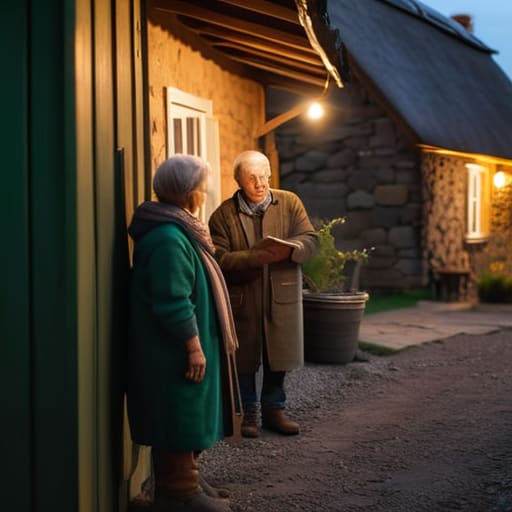
If the sirens don’t go off, or if the mobile signal drops out because the mast down the lane has lost power, we can’t just sit there waiting for a notification on a smartphone. In a place like ours, neighborhood safety coordination isn’t about fancy apps; it’s about knowing that Mrs. Higgins at number 14 can’t get up the stairs easily, and that the Miller boy has a tractor that can clear a blocked lane in ten minutes. We need a system of “eyes on the street”—or in our case, eyes on the lanes—where we simply check the house next door before we check our own.
It’s easy to get caught up in the talk of local government crisis management and official white papers, but those things often move at a pace that doesn’t suit a sudden flash flood or a heavy snowdrift. Real disaster preparedness for small towns happens at the gate. It means having a pre-agreed signal, perhaps a certain light in a window or a knock on a door, to let people know the situation has changed. We aren’t waiting for the council to tell us the road is impassable; we’ll already know it is because we’ve seen the water rising at the bridge.
Five things we should actually be doing before the trouble starts
- Get to know who is on your street. I don’t mean just a nod when you’re passing the post box; I mean knowing that Mrs. Higgins at number 14 can’t manage stairs, or that the young lad at the end of the lane has a tractor and a generator. If the phone lines go down, you need to know who to knock on.
- Keep a physical list of important numbers. I know, everyone has a smartphone, but those things are about as useful as a chocolate teapot when the masts lose power or the battery dies. Write down the local GP, the non-emergency police line, and your nearest neighbour’s landline on a bit of paper and stick it on the fridge.
- Stock up on more than just tins of beans. You’ll need a proper torch with fresh batteries—not one of those cheap plastic ones that dies after ten minutes—and a battery-powered radio. There is no substitute for hearing the actual news on the wireless when the internet decides to take a holiday.
- Sort out your transport before the roads get blocked. We all know how quickly the lane behind the old mill turns into a river when it pours, or how one fallen tree can cut us off from the main road. Have a plan for how you’ll get supplies if the usual route is washed out or blocked.
- Look out for the vulnerable, but do it properly. A village emergency plan isn’t about official committees; it’s about making sure that when the heating goes off or the floodwaters rise, we aren’t just looking after ourselves. Check the elderly and the isolated first, because they are the ones who will feel the cold the most.
A few things to remember before the next big storm
Don’t wait for a leaflet from the council to tell you who needs help; make a list of the neighbours who live alone or can’t manage the stairs, and make sure someone is tasked with knocking on their door.
Keep a proper kit in the cupboard—not just a few tins of soup, but a battery-powered radio and a torch that actually works—because when the mobile signal drops out, that radio is your only link to what’s happening in the next village.
Learn the shortcuts and the high ground; if the lane by the old mill floods like it did back in ’98, you need to know exactly which track stays dry so you aren’t stuck waiting for a tractor that might not come.
## More than just a folder in the parish hall
“A real emergency plan isn’t a glossy document sitting in a drawer at the village hall; it’s knowing that when the heavy snow drifts block the lane by the old mill, Mrs. Higgins at number twelve has a wood-burner and a spare kettle, and we know exactly who has the tractor to get her through to the chemist.”
Gordon Ellery
A bit of food for thought
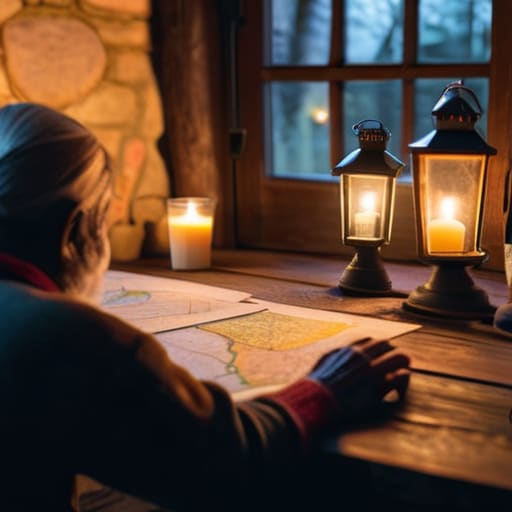
At the end of the day, we aren’t looking to build a paramilitary unit or some complex bureaucratic system that requires a manual the size of a phone book. It comes down to the basics we have discussed: knowing which houses have a generator, who has a sturdy 4×4 for when the lane turns to soup, and ensuring we have a reliable way to check on the elderly residents on Willow Lane or the smithy cottages. It is about mapping our own strengths and weaknesses before the weather turns or the grid gives way. If we take the time to organise these small details now, we won’t be standing around in the dark wondering what to do when the situation actually hits the fan.
I have spent thirty years looking at the foundations of houses, and I can tell you that a building is only as strong as the ground it sits on. Our community is much the same. We can have the most expensive properties in the county, but if we don’t look out for one another, we are just a collection of postcodes. A village is not a set of coordinates; it is a living, breathing network of people who happen to live side by side. So, let’s make sure that when the sirens fail or the lights flicker out, we aren’t just neighbours by chance, but a community by choice. I’ll see you at the post office on Tuesday.
Frequently Asked Questions
Where on earth are we supposed to keep a physical list of who needs help without everyone's private details being stuck on the village noticeboard?
Now, that’s the tricky bit, isn’t it? We aren’t running a police station, and nobody wants their medical history pinned next to the lost cat posters at the Post Office. I’ve always found that a simple, offline “Red Folder” kept at the Parish Hall—or even just with a trusted, neutral neighbour—works best. We only need names and a way to reach them. Keep the specifics private; we just need to know whose gate to knock on.
If the mobile signal drops out like it does near the old mill, how are we actually supposed to signal each other that something's gone wrong?
That’s the problem with the hollow near the old mill; you can hold your phone up to the sky until your arm aches and still get nothing. In those spots, we have to rely on the old ways. A whistle, a heavy knock on a door, or even a torch signal works better than any 4G connection. We should agree now: if the signal dies, we check on the house next door physically. Simple, but it works.
Who is actually responsible for making sure the little ones and the elderly are checked on if the heavy snow stops the cars from moving?
It isn’t the council’s job, and it certainly isn’t the police. If the snow gets deep enough to block the lanes near the Old Rectory, those services won’t be reaching us for a while. It falls to us. We need a mental list of who lives alone or has little ones. It’s about knowing that Mrs. Higgins at number twelve can’t clear her own path, and making sure someone knocks on her door.