I remember standing in the damp chill of a Victorian terrace in Upper Clatford back in ’98, watching a young man in a crisp suit stare at a hairline crack in a lintel like it was a piece of modern art. He was handing over a document thick enough to prop up a garden gate, full of jargon that meant absolutely nothing to the homeowner. People often think a structural engineer report explained in technical terms is a shield against trouble, but most of the time, it’s just expensive noise designed to make you feel small. You don’t need a glossary of Latin terms to tell you if your farmhouse is leaning; you need to know if the ground beneath it is moving.
I’ve spent thirty years looking at the bones of buildings, from the flint-walled cottages of the Test Valley to the newer builds on the village outskirts, and I promise you this: I won’t waste your time with the fluff. I’m going to give you a plain-English breakdown of what these reports actually mean for your wallet and your safety. We’ll look past the fancy diagrams to find the real truth about whether that crack is just the house settling or a sign that you need to call a builder before the next big storm.
Table of Contents
- Decoding the Building Survey Components You Actually Need
- Interpreting Engineering Findings Without the Jargon
- Five Things to Look For Before You Sign the Mortgage Papers
- The Bottom Line: Three Things to Remember Before You Sign
- ## More Than Just Ink on a Page
- A Bit of Final Advice
- Frequently Asked Questions
Decoding the Building Survey Components You Actually Need

When you sit down with that stack of papers, don’t let the jargon rattle you. Most people get lost in the technicalities, but if you look closely at the building survey components, you’ll find the real story. I’ve spent enough time looking at floor plans to know that the most important bits aren’t the fancy charts, but the sections detailing the structural integrity assessment. This is where the engineer tells you if the bones of the house are solid or if they’re starting to ache like my knees after a long walk up the downs.
Pay particular attention to the parts regarding the ground beneath your feet. I’ve seen many a lovely Victorian cottage in this county—most built around 1880, if the brickwork tells the story—suffer because of a poor foundation crack analysis. If the report mentions movement, don’t just skim past it. It’s often followed by remedial works recommendations, which is the engineer’s way of telling you exactly how much work (and money) it will take to stop that crack from becoming a canyon. It’s not just about the cost; it’s about knowing whether you’re buying a home or a project.
Interpreting Engineering Findings Without the Jargon

When you sit down with that thick folder of papers, it is easy to get lost in the technicalities. You’ll see terms like “lateral movement” or “subsidence,” and your heart might skip a beat. But when you are interpreting engineering findings, you have to look past the scary words. If the engineer mentions a crack in the masonry, I want you to ask yourself: is it a hairline fracture in the pointing, or is it a deep fissure that suggests a serious foundation crack analysis is required? One is a bit of lime mortar needing a refresh; the other means you might be looking at something much more substantial.
The real value isn’t in the fancy vocabulary, though. It is in the remedial works recommendations tucked away at the back. If the report says a steel beam needs reinforcing, don’t just nod along. Ask if that work is essential for the immediate safety of the house, or if it is something that can be managed over the next few years. I’ve seen many a homeowner panic over a report that was essentially saying, “it’s old, but it’s holding up fine.”
Five Things to Look For Before You Sign the Mortgage Papers
- Don’t let the heavy words scare you; if the report mentions ‘subsidence’ or ‘settlement,’ look closely at the dates. I’ve seen many a Victorian terrace—built around 1890, mind you—settle quite naturally over a century, and it isn’t always the catastrophe the surveyor makes it sound like.
- Watch out for the ‘Urgent’ vs ‘Maintenance’ distinction. A report might list a dozen things, but I always tell my neighbours to separate the cracks in the plaster from the cracks in the foundation. One needs a bit of filler; the other needs a professional with a heavy-duty jack.
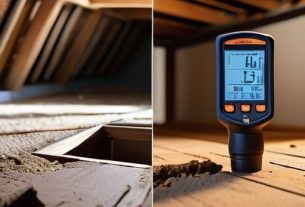
- Check if they’ve actually been inside the loft. A surveyor who hasn’t poked their head into the rafters can’t tell you if those damp patches are just condensation or a genuine failure in the flashing. If the report doesn’t mention the attic or the crawlspace, it’s not a complete picture.
- Pay attention to the ‘Recommendations’ section more than the ‘Observations.’ It’s all well and good knowing a beam is sagging, but you need to know exactly how much it’s going to cost to straighten it out before you’ve handed over your life savings.
- Look for mentions of the ground itself. In our part of the world, especially near the old clay belts, the soil can be as fickle as the weather. If the engineer hasn’t commented on how the local ground conditions might affect those foundations, you might want to ask them to go back out and take another look.
The Bottom Line: Three Things to Remember Before You Sign
Don’t let the fancy terminology rattle you; if the report mentions “subsidence” or “lateral movement,” it’s simply a professional way of saying the bones of the house are shifting, and you need to take it seriously.
A report isn’t just a list of faults to worry about, but a roadmap for your budget; use it to work out if that lovely cottage actually needs a new roof or just a bit of pointing before you commit your savings.
Always remember that a structural report is a snapshot in time, and while it tells you what’s happening today, you should always pair it with your own common sense—and perhaps a chat with a local builder who knows the local soil.
## More Than Just Ink on a Page
“I’ve spent thirty years looking at damp patches and settling cracks, and I can tell you this: a structural report isn’t just a collection of expensive words designed to make you nervous. It’s a map. If the engineer says the lintel is bowing or the foundation is shifting, they aren’t just ticking a box for the bank; they’re telling you exactly where the bones of your home are starting to ache.”
Gordon Ellery
A Bit of Final Advice

At the end of the day, a structural engineer’s report isn’t some complicated riddle designed to confuse you; it is a practical map of what is happening beneath your feet and above your head. We have looked at how to separate the genuine structural concerns from the mere cosmetic bits, and why you must listen closely when they mention things like subsidence or load-bearing issues. If the report says a crack is widening, don’t just tuck it behind a bit of plaster and hope for the best. Whether you are looking at a mid-Victorian terrace or a newer build from the late nineties, understanding these findings now is the only way to avoid a much larger, much more expensive headache when you eventually try to sell.
I have spent thirty years looking at the bones of houses, and if there is one thing I have learned, it is that a home is a living thing that requires a bit of looking after. A report might feel daunting, but it is really just a way of showing you respect for the property you live in. Don’t let the technical jargon scare you off; instead, use it as a tool to ensure your house remains a safe and sturdy sanctuary for years to come. After all, a house is only as good as the foundation it sits on, and knowing your home is the first step to truly owning it.
Frequently Asked Questions
If the report says the walls are moving, does that mean I need to move out immediately, or can it wait until the next summer?
Now, don’t go packing your bags just yet. I’ve seen plenty of old cottages in the valley—most of them dating back to the mid-1800s—where the walls have been “moving” since the Great War. If the report says it’s seasonal movement or old settlement, you can likely wait for the summer. But if the engineer mentions active subsidence or a failing foundation, that’s different. You need to get a specialist in before the winter rains turn it into a real headache.
How much of this report is just standard boilerplate, and how much actually applies to my specific cottage?
Look, I’ve seen plenty of these. About sixty percent is standard legalese—the kind of boilerplate that stays the same whether you’re looking at a new build in Basingstoke or a flint cottage from the 1740s. Don’t let it clutter your brain. You need to skip straight to the “Observations” and “Recommendations.” If they’ve mentioned a specific crack in your kitchen wall or damp in the north bedroom, that’s the bit that matters.
Once I've read the findings, how do I actually find a builder who won't try to charge me double for the repairs?
Now, don’t just ring the first number on Google. I’ve seen too many people get fleeced because they were in a hurry. My rule is simple: ask for three quotes, but don’t just look at the bottom line. Ask them if they’ve worked on houses of this age before—those 1930s semis have quirks that a modern builder might miss. And for heaven’s sake, check their references. If they won’t give you a local name, walk away.