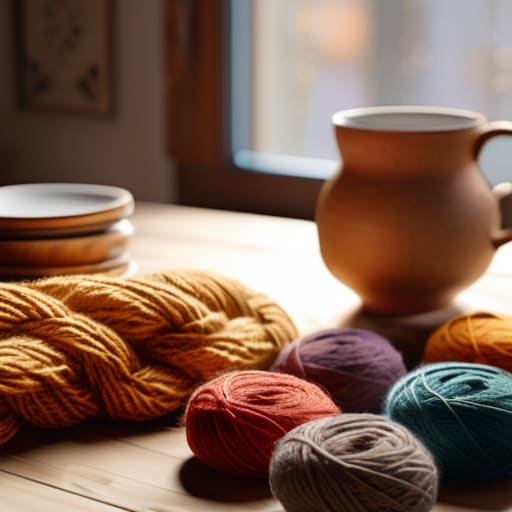
I spent forty years valuing properties, and if there is one thing I’ve learned, it’s that people tend to overcomplicate things that should be simple. You see these glossy magazines suggesting that if you want to know how to start a craft group, you need to hire a community hall with double glazing, secure a formal insurance policy, and perhaps rent a high-end espresso machine. It’s absolute nonsense. Most of the time, you don’t need a grand opening or a chartered accountant; you just need a sturdy kitchen table, a pot of tea that isn’t lukewarm, and a few neighbours who aren’t afraid of a bit of spilled glitter.
I’m not here to give you a corporate manual or a list of expensive “community engagement” buzzwords. Instead, I’m going to tell you how to do it properly—the way that actually works in a village like ours. I’ll share the practicalities of finding a space that doesn’t leak when it rains, how to handle the inevitable “tea and biscuit” budget, and how to ensure people actually show up week after week. This is about building something real and lasting, not just another meeting that fizzles out by Tuesday.
Table of Contents
- Finding Craft Group Members Who Actually Show Up
- Managing a Creative Meetup Without Losing Your Mind
- Five Practicalities Before You Pick Up the Knitting Needles
- Three Things to Remember Before You Start
- The Difference Between a Hobby and a Community
- A Final Word on Getting Started
- Frequently Asked Questions
Finding Craft Group Members Who Actually Show Up

The trouble with most notices I see pinned to the village hall board is that they’re too polite. They ask people to “join us,” which sounds like a chore. If you’re serious about finding craft group members, you have to be more direct. I’ve found that the best way to drum up interest isn’t a glossy flyer, but a bit of old-fashioned word of mouth. Mention it at the post office or while you’re waiting for your tea at the bakery. People don’t just want a new hobby; they are looking for crafting social connection to break up the week.
However, you have to be careful about who you invite. We’ve all been in those groups where three people turn up and the rest just promise to “try and make it next time.” When you’re organizing local hobby clubs, start small. Don’t try to recruit the whole parish at once. Find two or three people who actually live within a ten-minute drive and who have a knack for showing up. It is much better to have a small, reliable circle than a large, empty room.
Managing a Creative Meetup Without Losing Your Mind

Once you’ve gathered a few people, the real work begins. It isn’t about being a drill sergeant, but you do need a bit of a plan to keep things from descending into chaos. I’ve seen many a well-meaning attempt at organizing local hobby clubs fall apart simply because nobody decided who was bringing the tea or who was responsible for wiping down the tables. You don’t need a formal committee, but a simple shared list or a quick chat at the end of a session goes a long way.
The trick to managing a creative meetup without it becoming a second job is to keep the logistics light. If you’re meeting in the village hall—which, mind you, has a heating system that’s been temperamental since the late seventies—make sure you know exactly how the lights work before everyone arrives. Don’t try to do everything yourself. If someone offers to bring the biscuits, let them. The goal is crafting social connection, not running a high-end hospitality service. If you spend the whole time worrying about the crumbs, you’ll miss the point of being there.
Five Practicalities Before You Pick Up the Knitting Needles
- Don’t go looking for a grand hall or a rented community space right off the bat; start in a kitchen or the back room of the pub. The Red Lion has a corner that’s been used for village meetings since the late seventies, and it’s far more welcoming than a drafty church hall with a temperamental heater.
- Pick a day and a time that actually works for the people you want, not just the ones you know. If you host it on a Tuesday morning, you’ll get the retirees; if it’s a Thursday evening, you might catch the folks working in Salisbury. Just be consistent about it.
- Keep the “stuff” simple in the beginning. You don’t need a dedicated cupboard of supplies or a complex sign-up sheet; just a clear idea of whether people are bringing their own projects or if you’re all tackling the same thing together.
- Sorting out the tea and biscuits is more important than the craft itself. I’ve seen groups fizzle out because they spent more time arguing over the biscuit tin than actually making anything. Get a decent kettle and a sturdy mug, and you’re halfway there.
- Be prepared for the “no-shows.” I’ve lived in this parish long enough to know that life happens—a car won’t start, a grandchild needs picking up, or the weather turns foul. If three people turn up when you expected ten, don’t fret; just make enough tea for the three.
Three Things to Remember Before You Start
Don’t go looking for a grand hall or a rented community centre right away; start in a kitchen or the back room of the pub where the tea is already brewing and the chairs are comfortable.
It is better to have four people who turn up every Tuesday than twenty people who promise to come but only show up when the weather is fine.
Keep the rules simple and the supplies shared, because the point isn’t to produce a masterpiece for the village show, but to have a bit of a chat while you work.
The Difference Between a Hobby and a Community
You can buy all the wool and glue in the world, but a real craft group isn’t built on supplies; it’s built on that moment when the tea is poured, the knitting needles stop clicking for a second, and you realise you’ve spent two hours talking about life rather than just making a scarf.
Gordon Ellery
A Final Word on Getting Started
At the end of the day, starting a group isn’t about having a perfect syllabus or a venue with high-end lighting. It is about the logistics we have discussed: finding a space—be it a corner of the Red Lion or a spare room in a cottage built back in the 1840s—and making sure you have a reliable way to tell people when and where to meet. You need a bit of structure to keep the chaos at bay, but you also need the flexibility to let things run a little loose. If you can manage the practicalities of the kettle and the chairs, the rest tends to sort itself out. Don’t fret if the first session is a bit quiet; most good things in this village, from the parish council to the local bakery, took a few seasons to find their footing.
Ultimately, a craft group is less about the knitting or the woodworking and more about the human connection that happens between the stitches. We spend far too much time staring at screens or walking past our neighbours without so much as a nod. Creating a space where people can sit, create something with their hands, and actually talk to one another is a vital bit of community work. It might feel like a small thing, but a village that makes things together is a village that stays together. So, clear off the kitchen table, put the tea on, and just get started.
Frequently Asked Questions
Where is the best place to host us all without having to worry about cleaning up someone else's tea stains or glue spills?
You aren’t going to find a spotless venue, so don’t bother looking for one. If you try to host in a borrowed living room, you’ll spend the next week scrubbing tea rings out of a rug that wasn’t yours to begin with. The village hall is your best bet; it’s built for spills. Just make sure you book the one with the linoleum floor—the one near the old smithy—and bring your own tablecloths.
Do we need to charge a little something to cover the cost of the hall hire, or is that going to put people off coming?
Now, if you’re looking at the village hall ledger, you’ll know those heating costs aren’t getting any cheaper. I’d say charge a small fee—just enough to cover the lights, the tea, and the hall hire itself. People understand that. If you ask for five pounds to cover the basics, they’ll pay it happily. Just don’t try to turn it into a business; if there’s a surplus, put it toward a better biscuit tin next time.
What happens if we end up with a group that's more about chatting than actually making anything?
Look, if you’ve got a group of people sitting around a table with nothing but tea and gossip, don’t panic. I’ve seen it in the parish hall many a time. If the knitting needles stay in the bags, you haven’t failed; you’ve just accidentally started a social club. Decide if that’s what you wanted. If not, bring a half-finished project to show—it’s a hard thing to ignore a person actually working.