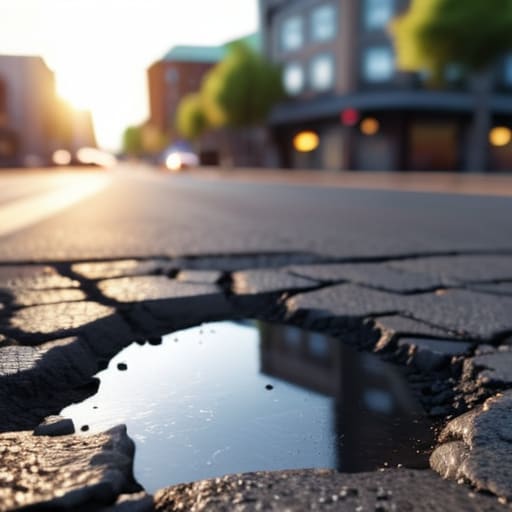
I was out checking the boundary stones near the old mill yesterday—a fine piece of masonry from about 1840, if memory serves—when I heard that unmistakable, sickening thud of a front tyre hitting something it shouldn’t have. It was Miller, driving his Volvo, looking thoroughly defeated by a crater on the lane that’s been growing since the autumn rains. Most people think that figuring out how to report a pothole requires a degree in civil engineering or a direct line to the County Hall, but they’re wrong. It isn’t about filling out endless, soul-destroying digital forms that vanish into a black hole; it’s about knowing exactly which button to press to make the council actually listen.
I’ve spent thirty years looking at the bones of buildings and the ground they sit on, and I’ve learned that if you don’t speak the right language, you’ll be ignored. I’m not going to give you a lecture on municipal bureaucracy or some glossy, government-approved pamphlet. Instead, I’ll give you the straight truth on what works, which specific details the inspectors actually care about, and how to ensure your report doesn’t just end up in a digital filing cabinet.
Table of Contents
Navigating the Local Authority Road Repairs Maze

Now, I’ll be the first to admit that the local authority road repairs system isn’t exactly designed for speed. When you finally get around to using their online portal, you aren’t just sending a message; you are entering a formal road maintenance reporting process that feels a bit like shouting into a well. Most councils use a tiered system based on the severity of the defect. If it’s a minor dip near the old mill, they might log it for a quarterly sweep, but if it’s a crater that’s actually reporting dangerous road conditions to passing cyclists, you need to be much more insistent.
Don’t expect a surveyor to turn up at your door the next morning to inspect it. The trick is in the details you provide. I always tell people that documenting road hazards with a clear photo and a specific landmark—like “thirty yards past the junction with Church Lane”—is far more effective than a vague description. If you don’t pin it down to a precise location, it often falls through the cracks of their digital filing system.
Documenting Road Hazards Before They Get Worse
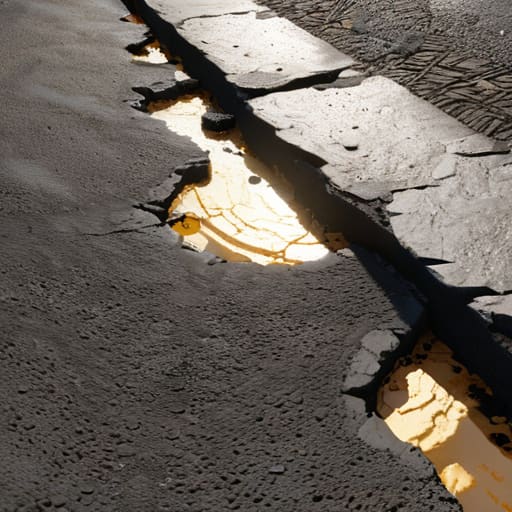
Now, before you head off to the council website, you need to do a bit of legwork yourself. I’ve seen far too many folk walk up to a hole, snap a blurry photo on a phone, and wonder why the Highways Department hasn’t sent a crew out by Tuesday. If you want to be taken seriously, you need to be thorough when documenting road hazards. I always suggest taking a photo from a distance to show exactly where the fault sits on the lane—perhaps relative to that old stone bridge or the junction near the post office—and then a close-up to show the depth. If you can, place a common object like a coin or a ruler next to it; it gives them a sense of scale that a single photograph simply cannot provide.
Keep these photos in a specific folder on your phone. You might think you’re just being helpful, but if a heavy lorry hits that same spot and ruins an axle, you’ll want that evidence ready for a vehicle damage claim procedure. It is much harder for them to argue the road was “satisfactory” if you have a dated, clear record of the damage sitting there for weeks.
A Few Practical Bits to Keep in Mind
- Don’t just say “the road is bad”; be specific. If you’re standing near the old oak by the bend on Mill Lane, say that. Tell them it’s ten yards past the junction, not just “somewhere near the village.”
- Take a photo, but do it properly. A picture of a tiny crack won’t get them to move, but a shot of a hole deep enough to swallow a boot—with a ruler or a coin for scale—tells the council exactly what they’re dealing with.
- Note down the exact road name and the nearest house number or landmark. I’ve spent enough time looking at maps to know that if you aren’t precise, your report will end up in a digital pile that nobody ever looks at.
- Keep a little note of when you sent the report and the reference number they give you. If that hole is still there in three weeks, you’ll want to be able to tell them, “I reported this on the 14th, and here is my number.”
- Check if the road is actually their responsibility. Some of our lanes are unadopted, meaning the council won’t touch them regardless of how much they rattle your teeth; in those cases, you’ll need to talk to the parish council instead.
A Few Things to Keep in Mind
Don’t wait for a neighbour to do it; if you see a crack widening on the lane by the old mill, get your phone out and report it immediately before it becomes a proper hazard.
Keep your report number handy like you would a receipt; the council’s system is a bit of a labyrinth, and you’ll need that reference if you have to chase them up in three weeks’ time.
Be specific about the location—don’t just say “near the pub,” tell them it’s fifty yards south of the junction, or they’ll spend an hour looking for a hole that isn’t there.
## A Matter of Persistence
“I’ve spent thirty years looking at foundations and tarmac, and I can tell you that a pothole isn’t just a nuisance; it’s a slow leak in the village’s budget. If you wait for the council to notice it on their own, you’ll be waiting longer than it took to build the old rectory, so you have to be the one to make the noise.”
Gordon Ellery
A Bit of Common Sense for the Road Ahead

At the end of the day, it comes down to being thorough. If you’ve taken the photos and found the right portal on the council website, you’ve done more than most. Don’t just send off a vague complaint about “the road being bad”; tell them exactly where it is, perhaps near that old flint cottage on the bend, and make sure you include the depth if you can. It is a bit of a nuisance, I know, but persistent reporting is the only way to ensure these things don’t just get buried in a filing cabinet. If we don’t keep the pressure on, we can’t really complain when the suspension on the car starts making that dreaded knocking sound.
I’ve spent thirty years looking at the bones of buildings and the foundations of this county, and I know that things only stay upright if someone is looking after them. Our lanes and our streets are the same. It isn’t about being a complainer; it’s about looking after our shared space so that the next person driving down the lane—whether it’s a delivery driver or a neighbour—doesn’t have a nasty surprise waiting for them. It’s small, quiet work, but it is how we keep a village feeling like a community rather than just a collection of postcodes.
Frequently Asked Questions
If I report a hole on a small lane that isn't a main road, will the council actually bother coming out to fix it?
It’s a fair question, and I’ve heard it at nearly every parish meeting since 1994. If it’s a minor lane, the council often treats it as a low priority compared to the A-roads. However, they won’t ignore it if you make it a matter of safety rather than just a nuisance. If you report it as a hazard to cyclists or pedestrians, they’re much more likely to get a crew out. Don’t expect a miracle overnight, but do make the report.
Do I need to provide my own photos of the damage, or is a simple description of the location enough?
If you can, take a photo. I’ve spent thirty years looking at structural cracks, and a picture tells the council more than a vague description ever will. A photo shows the depth and the exact position relative to the kerb. If you can’t, at least be precise. Don’t just say “near the pub”; tell them it’s fifty yards south of the junction on High Street. It saves everyone a wasted journey.
What exactly is the difference between a pothole and a "surface defect," and does it change who I need to call?
It’s a distinction that’s tripped up many a resident at the parish meetings. Think of a pothole as a proper hole—a cavity that’s actually lost material, usually because the sub-base has given way. A surface defect, however, is more like a patch of loose gravel or a bit of “ravelling” where the top layer is just tired. Both are nuisances, but you report a pothole when it’s a structural failure; report a defect if the road is just looking a bit ragged. Both go to the council, but the pothole usually gets the priority.