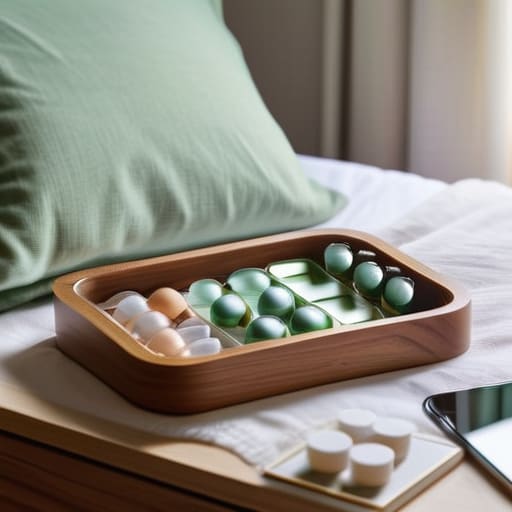
I was sitting in my kitchen last Tuesday, staring at a plastic bottle that had rolled behind the toaster, wondering how on earth I was supposed to remember if I’d actually swallowed my tablets or just thought about doing it. It’s a bit like trying to survey a site where the boundary markers have all been moved in the night; you think you know where you stand, but suddenly nothing adds up. Most of the leaflets you get from the chemist make it sound like you need a PhD or a high-tech digital assistant to figure out how to manage medication without losing your wits. They talk about “optimised compliance schedules” and other nonsense that sounds more like a building regulation than a way to live your life.
I’m not here to sell you a fancy app or a subscription to some expensive gadget that will be sitting in a drawer gathering dust by Christmas. What I want to do is share the practical, common-sense methods that have actually worked for me and several of my neighbours here in the village. I’ll be looking at the simple, sturdy ways to keep your routine on track—from the humble pillbox to the importance of a fixed ritual—so you can spend less time worrying about your chemist’s bag and more time enjoying your morning tea.
Table of Contents
- Managing Multiple Prescriptions Without Losing the Thread
- Tracking Dosage Schedules Like a Reliable Bus Route
- Five practical ways to keep your chemist’s orders from getting messy
- A few things to keep in your back pocket
- The rhythm of the routine
- A steady hand on the tiller
- Frequently Asked Questions
Managing Multiple Prescriptions Without Losing the Thread

I remember a client of mine, a retired schoolmaster over in Netheravon, who had a medicine cabinet that looked like a chemist’s shop after an earthquake. He had six different tablets to take at various intervals, and he’d spent more time scratching his head in confusion than actually feeling better. When you are managing multiple prescriptions, the sheer volume of little plastic bottles can make your head spin. It isn’t just about remembering the names; it’s about the timing. If you take your blood pressure tablet at breakfast but your calcium supplement at lunch, you can’t just wing it.
The trick I’ve found—and I’ve seen this work for many of the older folk at the parish hall—is to stop relying on your memory. Memory is a fickle thing, much like a surveyor’s old transit level. I suggest getting a proper, sturdy weekly pillbox. It’s one of those simple medication safety tips that saves a tremendous amount of worry. Once you’ve sorted your doses into the Monday through Sunday slots, you can glance at it while your kettle boils and know exactly where you stand. It turns a chaotic morning into a bit of a routine.
Tracking Dosage Schedules Like a Reliable Bus Route

If you’ve ever stood at the bus stop on High Street, watching the 42 veer off into a different lane because the driver missed the turn, you know the frustration of a plan gone awry. Taking your pills should be no different. You need a system that is as predictable as the morning post. I’ve found that tracking dosage schedules works best when you tie it to something you already do without thinking—like putting the kettle on or feeding the dog. If you rely on memory alone, you’re essentially waiting for a bus that isn’t on the timetable.
I’ve seen plenty of folks struggle with preventing medication errors simply because their tablets are scattered across the kitchen counter like loose change. It’s a recipe for confusion. I suggest getting a proper, sturdy weekly pillbox—the kind with the clear days marked on the lid. It takes the guesswork out of the morning rush. By organizing daily supplements and prescriptions into these little compartments every Sunday evening, you aren’t just tidying up; you’re making sure you don’t end up standing in the hallway at ten o’clock at night wondering if you’ve already had your dose.
Five practical ways to keep your chemist’s orders from getting messy
- Get yourself a proper weekly pillbox—the kind with the days of the week clearly marked. Don’t bother with those flimsy plastic ones you find in the supermarket; get one with a decent lid that won’t pop open in your kitchen drawer. Spend ten minutes every Sunday evening sorting it, and you won’t be standing there at breakfast wondering if you’ve already taken your tablets.
- Keep a single, handwritten list of every single thing you take, including the vitamins and the herbal stuff. I’ve seen too many people go to the GP and forget to mention they’ve started a new supplement, and that’s how you end up with a reaction that’s entirely avoidable. Stick that list on the inside of your kitchen cupboard door so it’s right where you need it.
- Use your phone’s alarm, but don’t just set one. If you have a dose that needs to be taken with food, set an alarm for the mealtime itself. It’s much easier to remember the medicine if the hunger is doing the reminding for you.
- Don’t let your medicine cabinet become a graveyard for expired bottles. Once every few months, have a proper look through the cupboard. If a box is past its date, don’t just chuck it in the bin under the sink; take it back to the local pharmacy. They’ll dispose of it properly, and it keeps your space from looking like a cluttered workshop.
- Set up a “reorder” day in your calendar, about a week before you think you’ll run out. There is nothing quite as stressful as realizing on a Tuesday morning that you’re down to your last two pills and the chemist is closed for the bank holiday. If you stay ahead of the supply, you won’t be caught out.
A few things to keep in your back pocket
Get yourself a proper, sturdy pillbox—the kind with the days of the week clearly marked—rather than relying on a pile of loose packets on the kitchen counter.
Keep a written list of every single thing you take, including the strength and the time of day, tucked inside your wallet or near the telephone for when the doctor calls.
Don’t wait until you’ve run dry to check the cupboard; set a reminder to order your next batch a week before the current one ends, much like checking the weather before heading out for a long walk.
The rhythm of the routine
Managing your tablets shouldn’t feel like trying to navigate a country lane in a thick fog; it’s about setting up a system as predictable as the morning post, so you aren’t left scratching your head when the sun goes down.
Gordon Ellery
A steady hand on the tiller

At the end of the day, managing your prescriptions isn’t about being a medical expert; it is about setting up a system that works as reliably as a well-laid foundation. We have talked about the importance of using a proper pillbox to avoid that midnight guesswork, and why keeping a schedule as predictable as the 10:15 bus to Salisbury is vital. Whether you are keeping a written log or using a simple phone alarm, the goal is the same: to remove the mental clutter. Once you have the mechanics of the routine sorted, you stop worrying about whether you’ve missed a dose and start focusing on the things that actually matter.
I often think of a house; you can have the most beautiful thatched roof in all of Hampshire, but if the drainage is neglected, the whole structure suffers. Your health is much the same. Taking your medicine isn’t a chore to be rushed through; it is the quiet maintenance that keeps your life running smoothly. Don’t feel you have to get it perfect from day one, either. Just take it one morning at a time, keep your wits about you, and remember that a little bit of order today prevents a great deal of chaos tomorrow.
Frequently Asked Questions
What do I do if I miss a dose and can't remember if I took it ten minutes ago?
Now, this is where the panic sets in, isn’t it? You’re standing there, staring at the kitchen counter, wondering if you’ve already swallowed that tablet or if it’s still sitting in the blister pack. Don’t go doubling up to compensate; that’s a recipe for trouble. If you aren’t sure, check your pillbox or your logbook first. If the evidence isn’t there, call your pharmacist. Better to ask a professional than to guess.
How do I keep track of all these different bottles without my kitchen counter looking like a chemist's shop?
The kitchen counter isn’t a pharmacy, and it shouldn’t be. I’ve seen enough cluttered surfaces to know they only lead to confusion. Get yourself a proper multi-compartment pillbox—the kind with the days of the week clearly marked. Keep it in one specific spot, perhaps a small tray near the kettle. It keeps the bottles tucked away in the cupboard where they belong, leaving you with enough room to actually make a cup of tea.
Is there a way to make sure the pharmacy actually has my refills ready before I run out?
Don’t wait until the bottle is empty to find out the pharmacy is short on stock. I’ve seen it happen—you’re standing there at 4:00 PM on a Friday, and they haven’t even ordered the tablets. Set a reminder on your phone for five days before your supply runs dry. Better yet, give them a quick ring on Tuesday morning. It’s much easier to sort a delay when you aren’t staring at an empty cupboard.