I was sitting in the village hall last Tuesday, listening to a young man in a very sharp suit drone on about expensive wearable sensors and “bio-hacking” your way to health, and I nearly choked on my tea. It’s all a bit much, isn’t it? All this expensive gadgetry to tell you what your body has been trying to say for years. If you are looking for a complicated manual or a subscription to a wellness app to learn how to manage blood pressure, you can save your money for a decent pair of wellies instead. Most of this modern nonsense ignores the simple, sturdy reality of how we actually live our lives.
I’m not a doctor, but I have spent thirty years looking at the foundations of houses, and I know that if the ground shifts, the walls crack. Your body is no different. I want to talk to you about the practical, everyday habits that actually move the needle—the kind of things you can do while walking the dog or prepping a Sunday roast. I’ll be sharing what has worked for me and my neighbours, focusing on straightforward, common-sense steps that don’t require a PhD or a massive bank balance.
Table of Contents
The Dash Diet for Hypertension Eating for Real Life
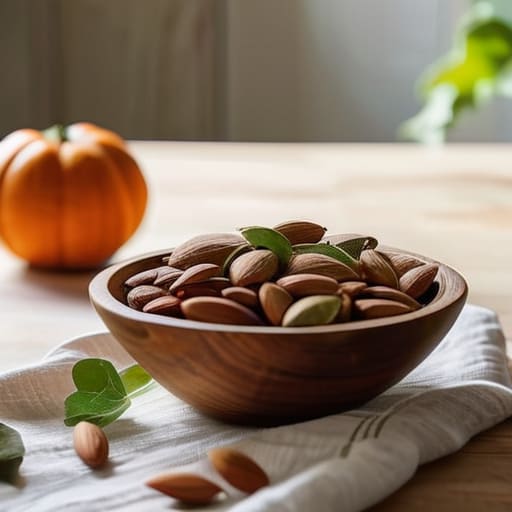
Now, I’m not a nutritionist, but I have spent enough time at parish tea dances to know that most of us treat salt like it’s a basic human right. When doctors talk about the DASH diet for hypertension, they aren’t asking you to start eating nothing but steamed kale and boiled chicken. It’s actually a sensible bit of kit; it’s about swapping the processed stuff—the ready meals that sit in the freezer for months—for things that actually grew in the ground. I’ve found that if you focus on more fruit, veg, and a bit more magnesium, you aren’t really “dieting” so much as just eating properly again.
The real trick, and the bit most people struggle with, is reducing sodium intake tips that actually stick. It’s not just about the salt shaker on the table; it’s the hidden salt in the bread and the tinned soups. I’ve started using herbs from the garden instead of a heavy hand with the salt, and it makes a world of difference. It’s a slow process, much like fixing a leaning garden wall, but these small cardiovascular health habits are what keep you upright in the long run.
Reducing Sodium Intake Tips From a Practical Kitchen View
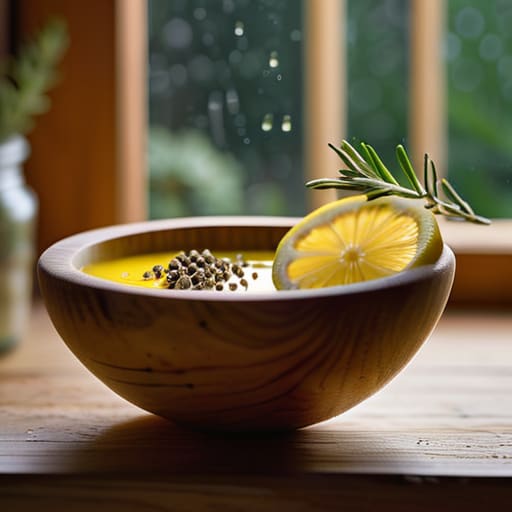
Now, I’m not one for telling people how to cook—I’ve seen enough burnt Sunday roasts in my time to know everyone has their own way—but if you’re looking at reducing sodium intake tips that actually stick, you have to start with the cupboard. It isn’t just about the salt cellar on the table; it’s the hidden stuff in those tins of soup or the pre-made sauces that sit in the pantry. I remember a local butcher, a man who’d been in the business since 1964, telling me that the best flavour comes from the herb garden, not the shaker. Try swapping the processed packets for a bit of dried rosemary or a squeeze of lemon; it makes a world of difference to the palate without sending your numbers north.
Another thing to watch is the “convenience” trap. Those ready-made meals are designed to last, which usually means they are packed with enough salt to preserve a mummy. If you’re making hypertension lifestyle changes, try to cook from scratch where you can control the seasoning yourself. It takes a few more minutes of standing at the stove, but it’s a small price to pay for keeping the heart steady.
A few practical ways to keep the pressure down
- You don’t need to join a boutique gym in the city to get your heart rate up; a brisk twenty-minute walk along the old bridleway behind the church will do more for your circulation than any expensive treadmill.
- Watch the booze, particularly if you’re a regular at the local pub; I’ve found that swapping that third pint for a sparkling water makes a noticeable difference to how you feel when you wake up.
- Try to get a bit more sleep, and I mean proper sleep, not just lying there scrolling through your phone; I’ve noticed my own readings steady out significantly when I’m actually rested.
- Stress is a silent killer, and I know all too well how the parish council meetings can get the blood pumping; find something that actually lets you switch off, whether it’s tinkering in the shed or a bit of gardening.
- Keep a close eye on the scales, but don’t obsess over every ounce; just staying mindful of your weight helps take the strain off your heart without making life a misery.
A few things to keep in mind
Don’t go trying to overhaul your entire pantry in one Saturday afternoon; just start by swapping the salted butter for something unsalted and see how your palate adjusts.
Movement doesn’t have to mean a frantic jog through the mud; a brisk, twenty-minute walk down to the bottom of the lane every day does more for your heart than a gym membership you never use.
Keep a close eye on the small stuff, like how much salt is hiding in those tinned soups, because those little additions add up faster than a leaking roof in a wet November.
The real measure of a steady heart
You can spend a fortune on the latest health gadgets, but managing your blood pressure isn’t about high-tech monitoring; it’s about the small, unglamorous choices, like choosing the long way home through the woods instead of driving, or remembering that a bit of salt is a seasoning, not a foundation.
Gordon Ellery
Small steps and steady ground
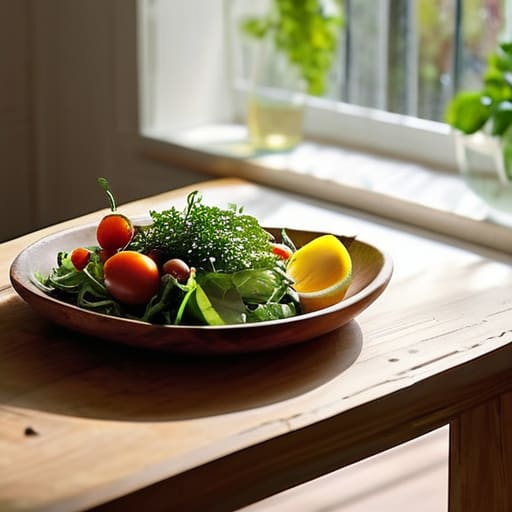
At the end of the day, managing your blood pressure isn’t about some sudden, sweeping overhaul that leaves you feeling like a stranger in your own kitchen. It is about the small, practical adjustments we have discussed—swapping the salt shaker for a bit of fresh herbs, or making sure that walk down to the bottom of the lane happens more often than not. It is about looking at your plate and your habits not as a series of restrictions, but as a way to maintain the foundation of your health. Just as I would tell a client that a house is only as good as its drainage and its footings, your body needs those consistent, daily rhythms to keep everything running smoothly without too much pressure on the pipes.
I have spent a lifetime looking at structures, and the ones that stand the longest are rarely the flashiest; they are the ones built with steady, incremental care. Don’t feel you have to fix everything by Monday morning. If you manage to cut back on the processed snacks or take the long way home from the post office, you have already won a significant battle. Take it one afternoon at a time, keep your eyes on the path ahead, and remember that consistency beats intensity every single time. I’ll see you at the village shop on Thursday, hopefully with a slightly better stride in your step.
Frequently Asked Questions
If I'm already walking the dog every morning, do I actually need to start a proper exercise regime to see a difference in my readings?
Look, I’ve walked the perimeter of the village enough times to know that a stroll isn’t the same as a climb. Walking the dog is a fine start—it keeps the joints moving and the mind clear—but if you want those numbers to budge, you need to get the heart rate up a bit. Try a brisk pace where you’re slightly out of breath. It doesn’t need to be a marathon; just enough to make you work.
How much of a difference does cutting out the salt really make if I’m still eating the odd bit of bacon or cheese?
Look, I’m not one for the all-or-nothing approach. If I tried to live a perfectly seamless life, I’d never leave the house. If you’re having a bit of cheddar on a cracker or a slice of bacon on a Sunday, you haven’t ruined everything. It’s the daily habit—the bread from the supermarket or the processed soups—that does the damage. Cut the heavy stuff during the week, and the odd treat won’t move the needle much.
Is it worth me buying one of those home monitors, or should I just keep relying on what the GP tells me at the surgery?
I’ve spent enough time in drafty surgery waiting rooms to know that a single reading in a doctor’s office rarely tells the full story. White coat syndrome is a real thing—your pressure spikes just because you’re sitting there under fluorescent lights. I’d say get a decent monitor for the kitchen table. Checking it yourself on a quiet Tuesday morning gives a much truer picture of how you’re actually doing.