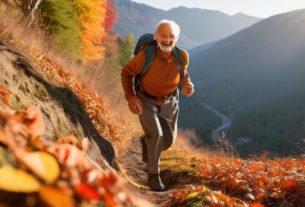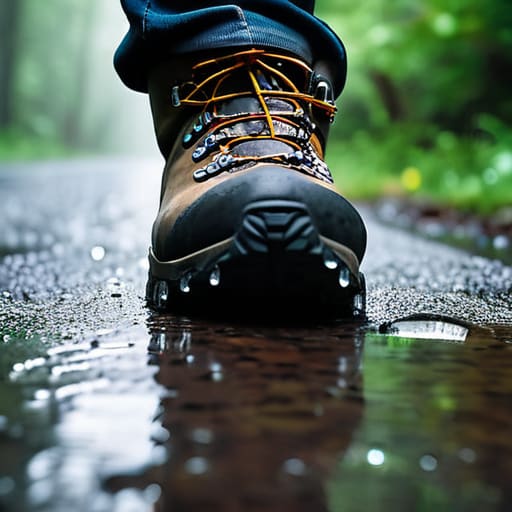
I saw a glossy advert in the post yesterday for a “smart” walking shoe that costs more than a decent set of garden shears, claiming it would revolutionise your fitness. It’s absolute nonsense. You don’t need a computer in your heel or a subscription to an app to understand how to build a walking routine that actually sticks. Most of these fitness gurus talk as if you’re training for a mountain expedition, when in reality, the hardest part isn’t the distance—it’s simply getting out the door when the drizzle starts or the sofa looks particularly inviting.
I’m not here to sell you on expensive gadgets or complicated training schedules that fall apart the moment you have a busy week. Instead, I’m going to share what I’ve learned from years of navigating the uneven lanes around here and the practical realities of staying active as we get older. I’ll tell you how to pick a route that doesn’t leave your knees screaming and how to make it a habit that feels as natural as putting the kettle on. No fluff, just straightforward advice from someone who has walked just about every inch of this county.
Table of Contents
Choosing Walking Shoes for Beginners and Reliable Paths
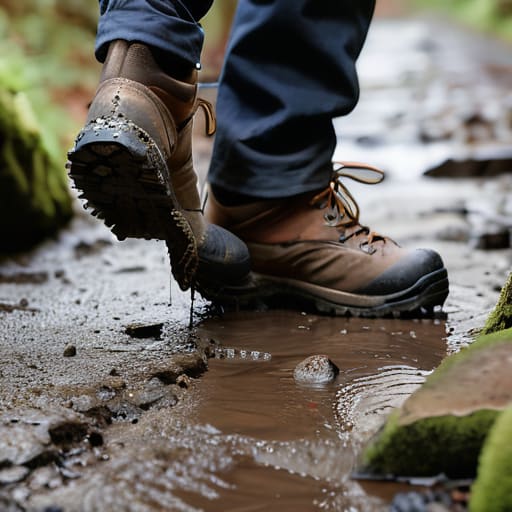
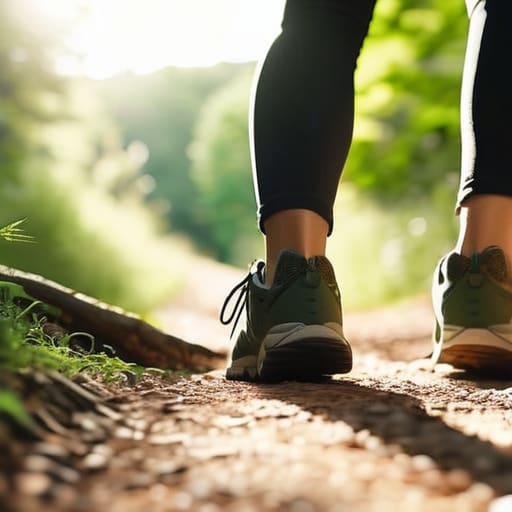
Now, before you set off, don’t go thinking your old trainers from the nineties will do the job. I’ve seen plenty of folks try to tackle the bridleway behind the old mill in a pair of worn-out flats, only to end up with blisters that would make a surveyor weep. If you are looking for walking shoes for beginners, skip the flashy, expensive brands that promise to change your life. You simply need something with a decent sole that won’t slip on wet limestone or mud. I spent thirty years inspecting floorboards and foundations; I know a solid footing when I see one, and your feet deserve that same stability.
As for where to go, I’d suggest starting with the loop around Lower Combe. It’s a steady three miles, mostly level, and avoids that nasty bit of gravel near the stream that turns into a bog every November. It is excellent low impact cardio without the unnecessary strain on your knees. Once you’ve found your rhythm on the easy bits, you can start increasing walking intensity by taking the steeper track up towards the ridge, but there’s no rush to do that on day one.
Crafting a Walking Schedule for Fitness You Can Keep
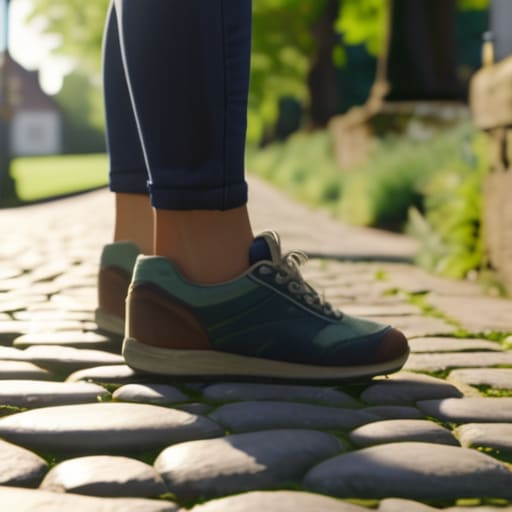
The mistake most people make is trying to do too much in the first week. I’ve seen it at the parish meetings—people commit to a five-mile trek every morning, only to find themselves hobbling around the village green by Tuesday. If you want a walking schedule for fitness that actually sticks, you have to treat it like a renovation project: one brick at a time. Start with three days a week, perhaps twenty minutes at a time. It doesn’t matter if you’re just circling the allotments or walking the length of the high street; the goal is to make the movement a habit before you worry about the distance.
Once your legs have stopped complaining, you can start increasing walking intensity by adding a bit of pace or finding a route with a proper incline. If you’re looking for the low impact cardio benefits without the strain of a jog, try adding a brisk ten-minute stretch in the middle of your usual loop. It’s about steady progress, not sudden bursts of energy that leave you exhausted. Keep it simple, keep it consistent, and you’ll find it becomes as natural as checking the post.
A Few Practical Rules for Not Giving Up by Tuesday
- Don’t go out and try to walk five miles on your first day; you’ll only end up nursing a blister and swearing off the hobby entirely. Start with twenty minutes around the block, or even just to the end of the lane, and build it up slowly like a proper stone wall.
- Keep a small kit in the hall by the door—not a mountain of gear, just your shoes, a decent pair of socks, and a lightweight jacket. If you have to hunt for your gear for fifteen minutes, you’ll find an excuse to stay on the sofa instead.
- Use the terrain to your advantage. If you’ve got a bit of a slope near the old mill, use it to get your heart rate up, but don’t go tackling the steep ridge behind the church until you’ve got the legs for it.
- Listen to something useful while you move. I find a bit of history or a local news podcast keeps the mind occupied, which stops you from counting every single step and making the walk feel twice as long as it actually is.
- Make it part of a circuit that has a reward at the end. A walk is much easier to commit to if it ends at the village shop for a pint of milk or leads you straight to the pub for a quiet half-pint on a Friday afternoon.
A few things to remember before you head out
Don’t overthink the distance; it is better to walk the half-mile loop around the church three times a week than to attempt a ten-mile trek once a month and spend the rest of the week on the sofa.
Keep an eye on the ground beneath your feet, especially once you get past the village limits, as those old bridleways can turn into a boggy mess faster than you can say ‘surveyor’s report’.
Listen to your body rather than a fancy app on your phone; if your knees are complaining, there is no sense in pushing through it just to hit a target.
The Reality of the Route
Don’t go looking for a fitness tracker or a fancy app to tell you how you’re doing; just find a path that doesn’t turn into a bog every time there’s a bit of rain, and start walking until the distance feels like a habit rather than a chore.
Gordon Ellery
A Final Word Before You Head Out
It really does come down to the basics. You don’t need a complicated training plan or a subscription to a fitness app that pings your pocket every ten minutes. You just need a pair of shoes that won’t give you blisters by the time you reach the old mill, a route that doesn’t involve too many muddy patches after a heavy rain, and a schedule that actually fits into your Tuesday afternoon. Whether you are sticking to the paved verges or tackling the bridleways, the goal isn’t to break any speed records; it is simply about showing up for yourself and getting those legs moving consistently.
I’ve spent a lifetime looking at foundations, and I can tell you that nothing stands for long without a steady base. A walking routine is much the same. It isn’t about the distance you cover on day one, but the fact that you are still out there on day fifty. Don’t wait for the perfect weather or a brand-new tracksuit to arrive in the post. Just lace up, step out the front door, and start where you are. You might find that the best part of the walk isn’t the destination at all, but the quiet satisfaction of knowing you’ve actually done it.
Frequently Asked Questions
What should I do if the weather turns and my usual route becomes a muddy mess?
If the lane turns into a bog, don’t go fighting it; you’ll only end up with ruined boots and a sore hip. I’ve seen too many people try to trek through the bottom fields after a heavy Wiltshire downpour. Instead, pivot to the hard ground. The tarmac loop around the old rectory—built, I should note, in 1842—is much more reliable. It’s a bit dull, perhaps, but it’s dry and predictable.
Is it worth investing in walking poles, or am I just adding unnecessary weight?
I’ve spent enough time navigating the muddy bridleways near Chawton to know that weight matters. If you’re just strolling down the high street, leave them in the shed; they’re nothing but extra clutter. However, if you’re tackling the steeper, uneven tracks on the downs, they’re worth their salt. They take the pressure off your knees—which, believe me, feel every year of my age—and keep you steady when the ground gets soft.
How do I know if I’m walking too fast or if I’m actually getting a decent workout?
You’ll know you’re working hard if you can still hold a conversation without gasping for air like a landed trout. If you can recite the local parish council minutes to a friend while moving, you’re likely strolling. If you’re huffing and can only manage one-word answers, you’ve found your pace. I always aim for that middle ground—steady enough to get the heart ticking, but not so fast I’m tripping over a loose stone.