I was standing in the changing rooms at the leisure centre last Tuesday—the same one built back in ’74, if memory serves—and I watched a man struggle with a brand-new, high-tech waterproof smartwatch that cost more than my first car. It struck me then how much nonsense is out there regarding how to start swimming again. People think you need a specialized coach, a subscription to some fancy fitness app, or a kit that looks like it belongs on a professional racing yacht. Honestly, if you’re waiting until you have the perfect goggles or the right breathing technique to get back in the lane, you’re just making excuses for staying on the dry side of the glass.
I’m not interested in talking about Olympic-standard training or how to shave seconds off your personal best. What I want to do is share what actually works for those of us who just want to move a bit more without feeling like we’re auditioning for a triathlon. I’ll tell you about the best times to visit the pool to avoid the school-run rush, how to deal with that uncomfortable chlorine sting in your eyes, and why showing up is more important than being fast.
Table of Contents
Overcoming Fear of Water as an Adult
Now, I’m not one to pry into a man’s business, but I’ve sat in many a village hall meeting where people have admitted to a certain trepidation regarding the deep end. It isn’t uncommon. I once knew a man in Netheravon who wouldn’t even go near the pond because of a mishap in 1974. Overcoming fear of water as an adult isn’t about suddenly wanting to dive off a high board; it’s about regaining a sense of control. You don’t need to start with laps. Just stand in the shallow end where you can feel the floor firmly beneath your feet. If the pool feels too vast, I find that focusing on the texture of the tiles or the sound of the filter helps ground you.
If you find the stillness of the pool a bit unnerving, you might find that water aerobics for joint health is a gentler way to acclimatise. It gets you moving in the water without the pressure of technique or breathing patterns. There is no shame in starting there. Once you realise the water supports you rather than threatens you, the rest tends to follow.
Essential Swimming Gear for Adults Youll Actually Use
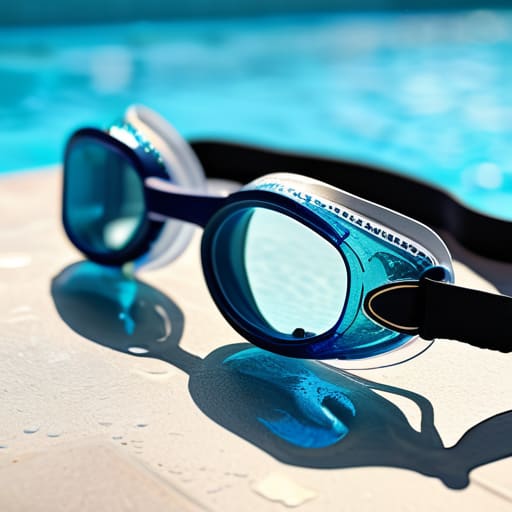
Now, don’t go wandering into the sports shop thinking you need a professional racing suit and a set of high-tech goggles that cost more than a decent Sunday roast. Most of that is nonsense for someone just getting back into the rhythm of things. If you are looking for essential swimming gear for adults, start with a pair of goggles that actually stay watertight; there is nothing quite as demoralising as spending twenty minutes squinting through a fogged-up lens. I’ve seen many a well-meaning person buy the cheapest pair available, only to find they pinch the bridge of the nose so badly you’ll want to head straight for the sauna.
A decent, snug-fitting cap is your next priority. It keeps the hair out of your eyes and, more importantly, keeps the chlorine from doing its best work on your scalp. If you find yourself moving from simple laps toward a more structured swimming workout progression, you might eventually find a pull buoy or a pair of short fins useful. They help with your body position without requiring you to be an Olympic athlete. Just keep it simple: good goggles, a comfortable cap, and a towel that actually absorbs water.
Five ways to make the transition from the sofa to the shallow end
- Pick a pool that doesn’t feel like a gymnasium. I’ve found that the smaller, older municipal pools—the ones with a bit of character and perhaps a slightly dated changing room—are far less intimidating than those massive, Olympic-sized complexes where everyone looks like they’re training for a medal.
- Forget the stopwatch. When I first tried to get back into a routine, I made the mistake of looking at the clock every two minutes. You aren’t racing anyone. Just aim to be in the water for twenty minutes; if you feel good, stay longer, but don’t let a timer dictate your morning.
- Find a quiet time to avoid the chaos. If you turn up at 4:00 PM on a Tuesday, you’ll likely be fighting for a lane with a school group or a frantic club. Try a weekday morning or a mid-afternoon slot; having a bit of breathing room around you makes a world of difference to your confidence.
- Don’t be afraid to ask the lifeguard a question. I know some people feel they should just know what they’re doing, but those staff members are there for a reason. Whether it’s about the depth of the deep end or which lane is for slow swimmers, a quick word can save you a lot of unnecessary worry.
- Keep your expectations grounded. Your first session back won’t feel like a triumph of athleticism; it might just feel like you’re slightly out of breath and a bit cold. That’s perfectly fine. The goal isn’t to master the butterfly stroke by Friday; it’s simply to get through the door and get wet.
A Few Final Thoughts Before You Dip In
Don’t go looking for the fastest lane or the most professional coach; just find a local pool where the water temperature doesn’t make your teeth chatter and the staff are decent enough to say hello.
Leave the ego at the changing room door, because nobody is watching your stroke technique as closely as you think they are—most people are just trying to keep their goggles from fogging up.
Consistency beats intensity every time, so rather than aiming for an hour-long session that leaves you knackered, aim for twenty minutes of easy movement that actually gets you through the door.
## A Matter of Getting Wet
Don’t go thinking you need to be doing anything grand like a hundred-metre sprint; just get yourself through the changing rooms, find a lane that isn’t too busy, and focus on the feeling of the water rather than the clock on the wall.
Gordon Ellery
Finding Your Feet in the Deep End
It all comes down to not making things harder than they need to be. You don’t need a professional-grade racing suit or the courage of a deep-sea diver to make this work; you just need a decent pair of goggles that don’t leak and the sense to start small. Whether it is facing that initial hesitation about the water or simply making sure you have the right kit in your bag, the goal isn’t to win any medals. It is about the steady progress of getting back into a routine that serves you. Remember, even the most solid dry stone wall starts with a single, well-placed pebble, and getting back into the pool is no different.
I often think about how we spend so much time worrying about the finished product—the perfect house or the completed renovation—that we forget the value of the work itself. Swimming is much the same. Don’t get caught up in how many laps you did or how much breath you lost halfway through the length. Just show up, find your rhythm, and enjoy the quiet of being underwater. If you can manage that, you’ve already won the day. It isn’t about being a champion; it is about the simple, quiet satisfaction of knowing you decided to try.
Frequently Asked Questions
Should I look for a local leisure centre with lanes, or is a smaller village pool better for a quiet start?
It depends on your temperament. If you head to the large leisure centre in Basingstoke, you’ll find plenty of lanes, but you’ll also contend with the school groups and the constant whistle of the lifeguards. It can feel a bit much when you’re just trying to find your feet. Personally, I’d suggest a smaller village pool first. They’re quieter, the atmosphere is steadier, and you won’t feel like you’re racing against a clock.
How often do I actually need to go to see any real improvement in my fitness?
Don’t go looking for a medal after two sessions. If you’re aiming for real improvement—the kind where you aren’t gasping for air halfway through the length of the pool—you’ll need to be there at least twice a week. I’ve found that once a week is fine for keeping the joints moving, but for fitness, consistency beats intensity. Stick to a schedule, even if it’s just a Tuesday morning dip, and the results will follow.
Is it worth paying for a few proper lessons, or can I just figure it out myself by watching the regulars?
Now, don’t go thinking you can just hover by the lane and learn by osmosis. I’ve watched enough people try to mimic the regulars, only to end up gasping for air or, worse, getting in the way of the serious club swimmers. If you can afford it, pay for a few proper lessons. A good instructor will spot your technique flaws before they become habits. It’s much better than trying to teach yourself through guesswork.