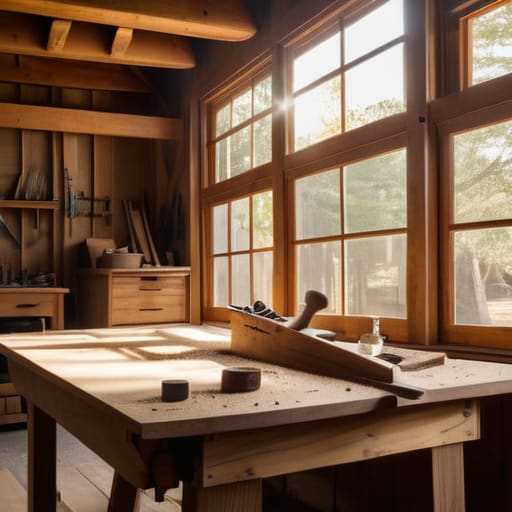
I was sitting in the village hall last Tuesday, listening to a committee member drone on about “strategic frameworks” and “resource allocation models” for a new community project. It’s enough to make you want to head straight back to the workshop and shut the door. If you’re looking up how to start a mens shed, you don’t need a three-year business plan or a shiny new building with floor-to-ceiling glass; you just need a bit of floor space, a few decent workbenches, and a way to keep the kettle boiling. Most people make the mistake of thinking it’s about the equipment, but anyone who’s spent time in a proper workshop knows that the real value is in the company you keep while you’re fixing a broken chair or sanding a bit of oak.
I’m not going to give you any of that polished, corporate nonsense. Instead, I’m going to tell you exactly what it takes to get a group of men through a door and actually staying there. I’ll walk you through the practicalities—from finding a shed that won’t leak on your tools to the actual headache of insurance—based on what I’ve seen work in these small villages. This is about getting things moving without getting bogged down in red tape.
Table of Contents
- Securing Local Government Grants to Lay the Foundation
- Establishing a Mens Shed Governance Model That Actually Works
- Five things you’ll need before you pick up a hammer
- The Essentials Before You Open the Doors
- ## It’s About the Tools, Not Just the Paperwork
- The Tools are in Your Hands
- Frequently Asked Questions
Securing Local Government Grants to Lay the Foundation
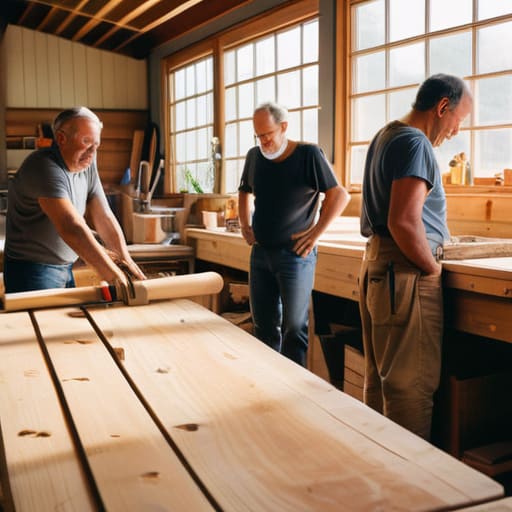
Now, don’t go thinking that a bit of enthusiasm and a few hammers is enough to get the council to open their coffers. If you’re looking at securing local government grants, you need to present more than just a desire to tinker with wood. These committees want to see a plan that proves you’re tackling something real—like loneliness or the loss of practical skills in the parish. I’ve sat through enough council meetings to know they love a bit of paperwork, so don’t shy away from it. Frame your proposal around how the shed provides community social connection for men, as that is a metric they can actually measure and tick off their lists.
When you sit down to write that application, be specific about your costs. Don’t just ask for “money for tools”; ask for a budget that covers insurance, heating for the unit, and specific equipment. You’ll also need to mention how you’ll handle things like workshop safety regulations, because the last thing a local authority wants is a liability nightmare on their hands. If you show them you’ve thought about the boring bits—the safety, the insurance, and the proper oversight—they are far more likely to see you as a serious outfit rather than just a group of hobbyists.
Establishing a Mens Shed Governance Model That Actually Works
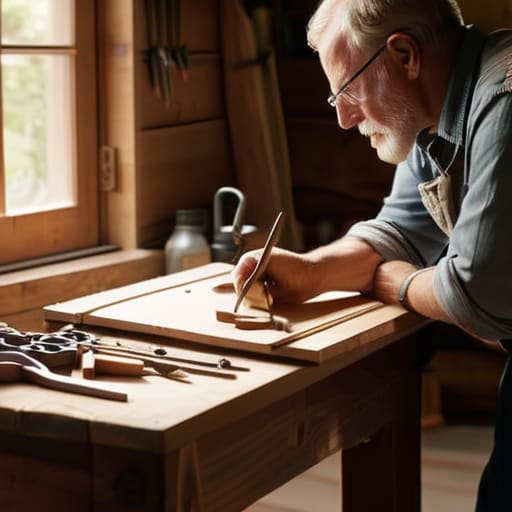
Now, once you’ve got the funds sorted, you can’t just wing the management side of things. I’ve sat through enough parish council meetings to know that if you don’t have a clear structure, things go sideways faster than a loose slate in a gale. You need a proper men’s shed governance model that keeps the peace. This doesn’t mean you need a room full of suits and heavy binders; it just means deciding who holds the keys, who manages the petty cash, and who is responsible when a drill goes rogue. A simple committee of three or four steady hands is usually plenty to keep the wheels turning without making it feel like a chore.
The real trick is balancing the rules with the reason everyone is there in the first place. You want enough structure to ensure workshop safety regulations are strictly followed—no one wants a visit from the health and safety inspector—but you don’t want so much red tape that the blokes feel like they’re back in the office. The goal is to foster community social connection for men, not to run a bureaucracy. Keep the meetings short, keep them focused on the tools and the tasks, and make sure everyone feels they have a say in how the shed is run.
Five things you’ll need before you pick up a hammer
- Find a space that isn’t a drafty ruin. I’ve seen plenty of well-meaning groups try to start in a damp garage or a shed with a roof that’s seen better days—likely dating back to the late seventies and in no great shape. You need a building with decent power, proper ventilation, and, most importantly, enough room so that two blokes aren’t tripping over each other’s feet while they’re trying to fix a toaster.
- Don’t go buying the top-of-the-line power tools straight away. It’s tempting to head down to the trade counter and kit out the place like a professional workshop, but you’ll spend your entire budget before you’ve even had a cup of tea. Start with the basics—a decent workbench, a few sturdy clamps, and whatever tools people are willing to lend from their own sheds. You can upgrade the kit once you see who’s actually turning up.
- Get the local coffee and biscuit situation sorted. It sounds trivial, but it isn’t. A Men’s Shed isn’t just about the sawdust; it’s about the conversation. If you don’t have a kettle that works and a steady supply of something decent to dunk in it, you’ll find people coming for the woodworking but staying for the chat. If the tea is rubbish, they won’t come back.
- Make sure you have a proper insurance policy. I spent thirty years looking at property liabilities, and I can tell you that “winging it” is a recipe for disaster. If someone slips on a bit of timber or a saw kicks back, you don’t want the whole community project folding because you didn’t have the right public liability cover in place. It’s a bit of a headache to sort, but it’s non-negotiable.
- Keep the rules simple and the atmosphere relaxed. You don’t need a thirty-page manual of conduct. Just make sure people respect the tools, clean up after themselves, and don’t start any unnecessary arguments. The moment it starts feeling like a school classroom or a strict committee meeting, the men will stop showing up. It should be a place to do things, not a place to be told what to do.
The Essentials Before You Open the Doors
Don’t get bogged down in paperwork before you’ve found a roof; you need a dry, secure space with enough floor area for a workbench and a kettle, or nobody will bother showing up.
Keep your committee small and practical—you want people who can actually fix a leaky tap or manage a bank account, not just people who are good at sitting in meetings.
Focus on the purpose, not the prestige; a shed succeeds when it offers a bit of quiet company and a reason to get out of the house, rather than trying to be a high-tech community centre.
## It’s About the Tools, Not Just the Paperwork
You can spend six months filing forms and arguing over committee minutes, but a Men’s Shed doesn’t truly exist until there’s a smell of sawdust in the air and a man who hasn’t spoken to anyone in a week finds himself halfway through a conversation over a shared workbench.
Gordon Ellery
The Tools are in Your Hands
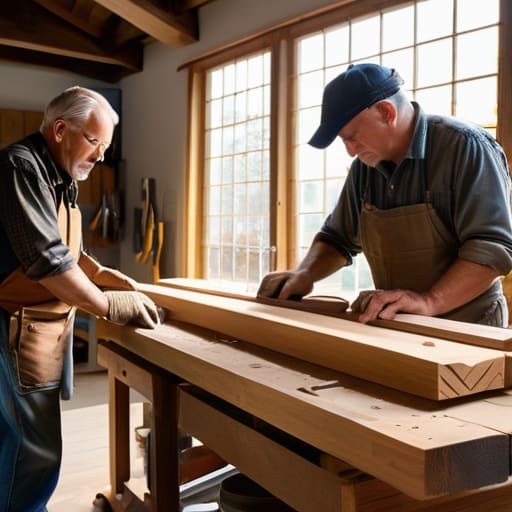
At the end of the day, getting a men’s shed off the ground is a bit like restoring a flint wall; you can’t just hope the stones will stay put, you have to lay them properly. You’ve looked at the funding, you’ve sorted out who is actually in charge, and you’ve found a space that isn’t going to fall down on you. It’s a lot of paperwork and a fair amount of arguing over committee rules, but that is the necessary groundwork. Without a solid foundation—both in terms of your legal structure and your physical workshop—the whole thing will eventually sag. You need that balance of practicality and planning to ensure the shed is still standing ten years from now, long after the initial excitement has worn off.
But don’t let the bureaucracy bore you into inaction. Beyond the grants and the governance, a men’s shed is about something much simpler: providing a reason to get out of the house and a place to be useful. I’ve seen too many good men drift into isolation just because they lost their sense of purpose, and a bit of sawdust and a shared cup of tea can do more for a person than a dozen formal support groups. If you can find a shed, secure a few tools, and get the local blokes in a room together, you’ve already done the hardest part. It won’t be perfect, and the roof might leak, but it will be worth every bit of the effort.
Frequently Asked Questions
Where on earth am I supposed to find a building that isn't falling down and won't cost us the earth in rates?
That’s the million-pound question, isn’t it? I spent thirty years looking at damp rising through Victorian brickwork, so I know the struggle. Don’t go looking for purpose-built spaces; they’re far too pricey. Instead, knock on the doors of the parish council or the local church. They often have redundant vestries or old schoolrooms sitting empty. Just ensure you get a surveyor—or someone who knows a cracked lintel from a hairline fracture—to look at it first.
Do we need to register as a proper charity, or can we just run things through the parish council for now?
Now, don’t go rushing off to the Charity Commission just yet. If you’re just starting out—gathering a few tools and a kettle—running things through the Parish Council is a sensible way to begin. It keeps the paperwork light while you see if the lads actually show up. However, once you start handling significant sums or renting a permanent space, you’ll want that formal charity status to protect yourselves and unlock the real grants.
How do we actually get the local blokes through the door if they aren't used to sitting around a workbench?
The trick is to stop calling it a “meeting” and start calling it a job. Most men I know won’t come to a circle of chairs to talk about their feelings, but they’ll turn up if there’s a broken gate that needs fixing or a shed that needs a new coat of varnish. Give them something to do with their hands first. Once the sawdust is flying, the conversation usually follows quite naturally.